- 中文
- English
- Español
June Hong Kong Jewelery & Gem Fair 6.23
2023-06-23 23:15:45
Click:
“
This 4-day JGA showcases a variety of jewelry products, tools, equipment and technical solutions, and also holds a series of seminars and wonderful on-site special programs, providing a platform for communication and business opportunities for the industry.
”
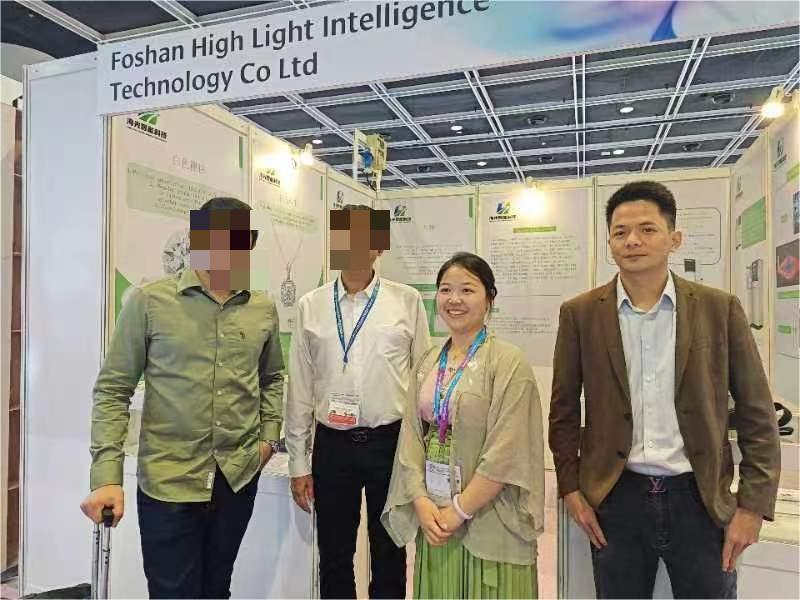
From June 22 to 25, 2023, our company Foshan High Light Intelligent Technology Co., Ltd. participated in the "Jewellery&Gem ASIA Hong Kong (JGA for short)".
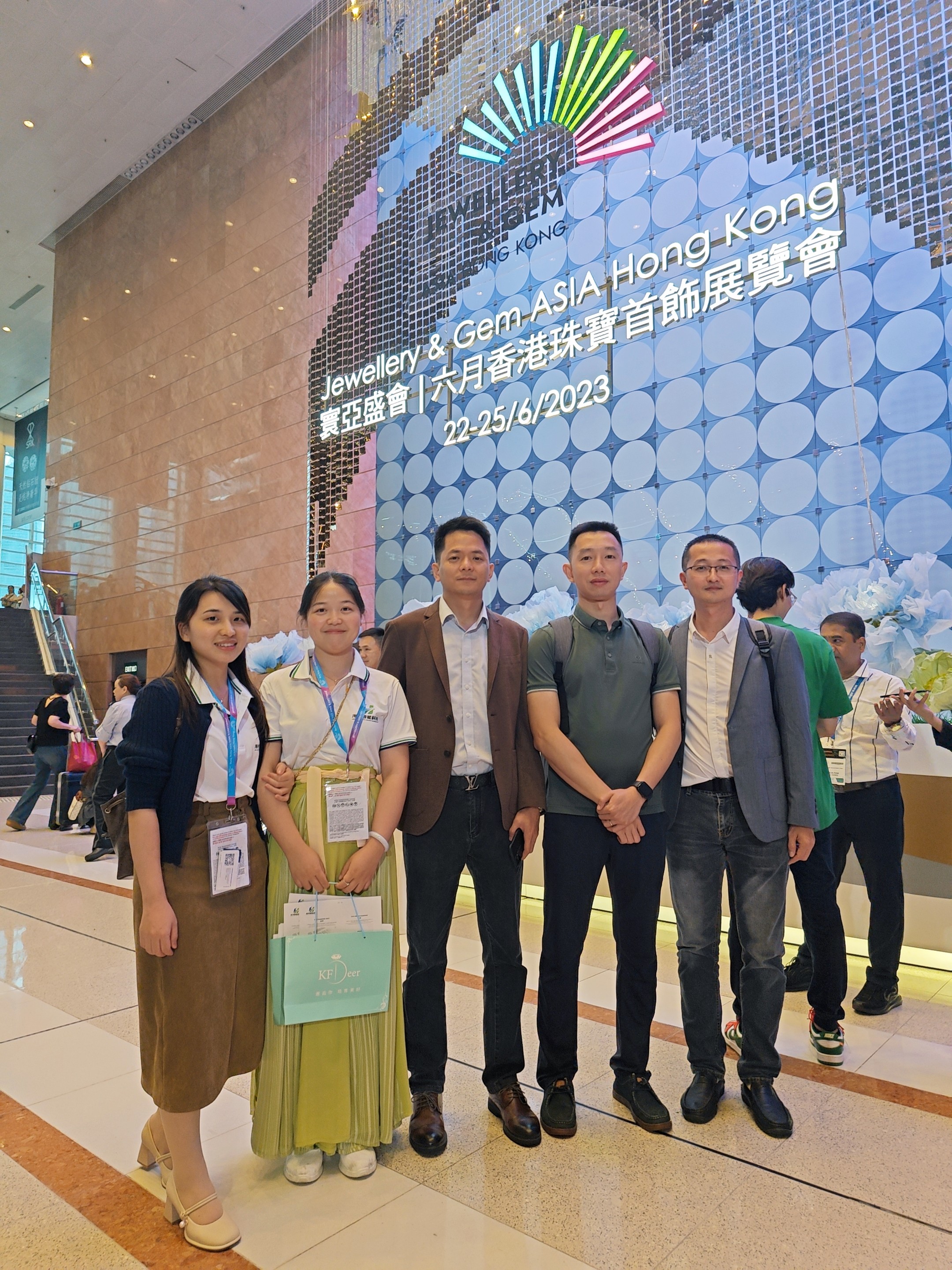
This 4-day JGA showcases a variety of jewelry products, tools, equipment and technical solutions, and also holds a series of seminars and wonderful on-site special programs, providing a platform for communication and business opportunities for the industry.
On June 23rd, the second day of the JGA exhibition, we focused on cooperating with major manufacturers, and unexpectedly got a dozen jewelry retailers who came to our booth. We had in-depth exchanges with them and shared our diamond market experience of 12 years in diamond materials:
According to observations, at this exhibition, all kinds of gemstones showed different price trends. In terms of diamonds: large-carat diamonds are not affected much, while conventional diamonds are slightly sluggish due to the impact of the marriage market and cultured diamonds.
A 1-carat natural diamond of slightly above-average quality sold for $6,700 a year ago, today the same diamond sells for $5,300. One of the reasons why diamond prices have started to decline is the growing market for man-made diamonds.
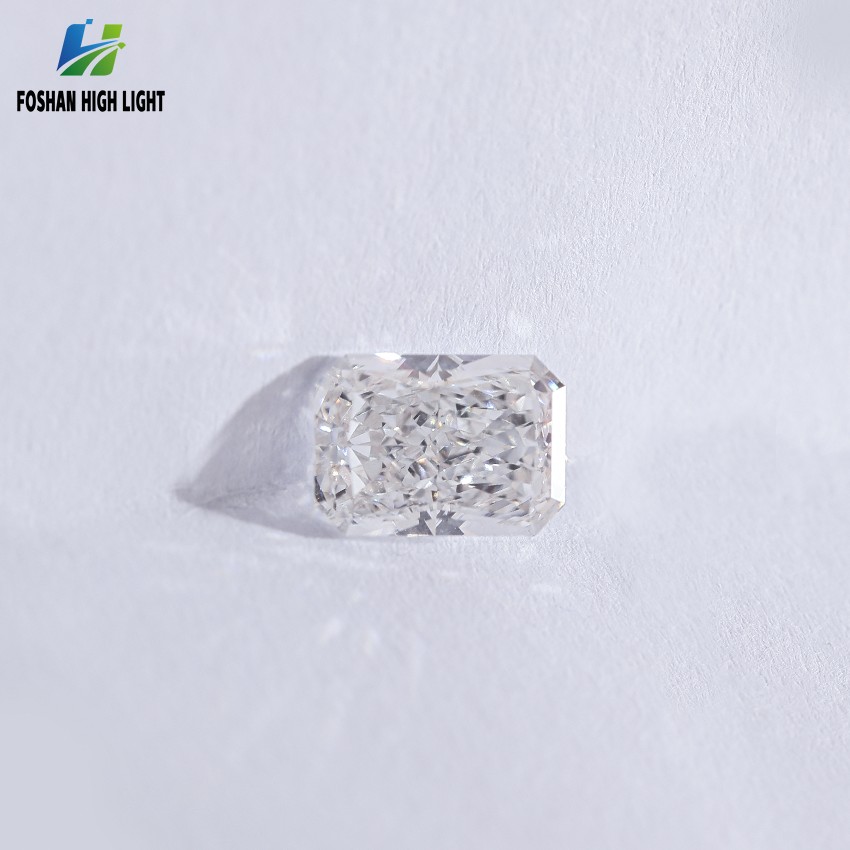
In 2020, the market share of artificial diamonds is only 2.4%. So far this year, that percentage has reached 9.3%. Man-made diamonds, grown in a laboratory-simulated high-temperature, high-pressure environment, are almost indistinguishable from natural diamonds, but at a lower price, which has led more consumers to turn to man-made diamonds. As MPCVD diamond machines become more efficient, the price of man-made diamonds is getting lower and lower, and retail profit margins are also expanding.
In the past three years, the price of man-made diamonds has fallen by 59%, while retail profit margins can reach 60%, which is much higher than the 34% of natural diamonds. It is an inevitable trend that the price of global diamonds will further fall. It is estimated that in the next 12 months, the price of natural diamonds will drop by 20% to 25% compared with the current price, and will drop by 40% from the peak in February last year.

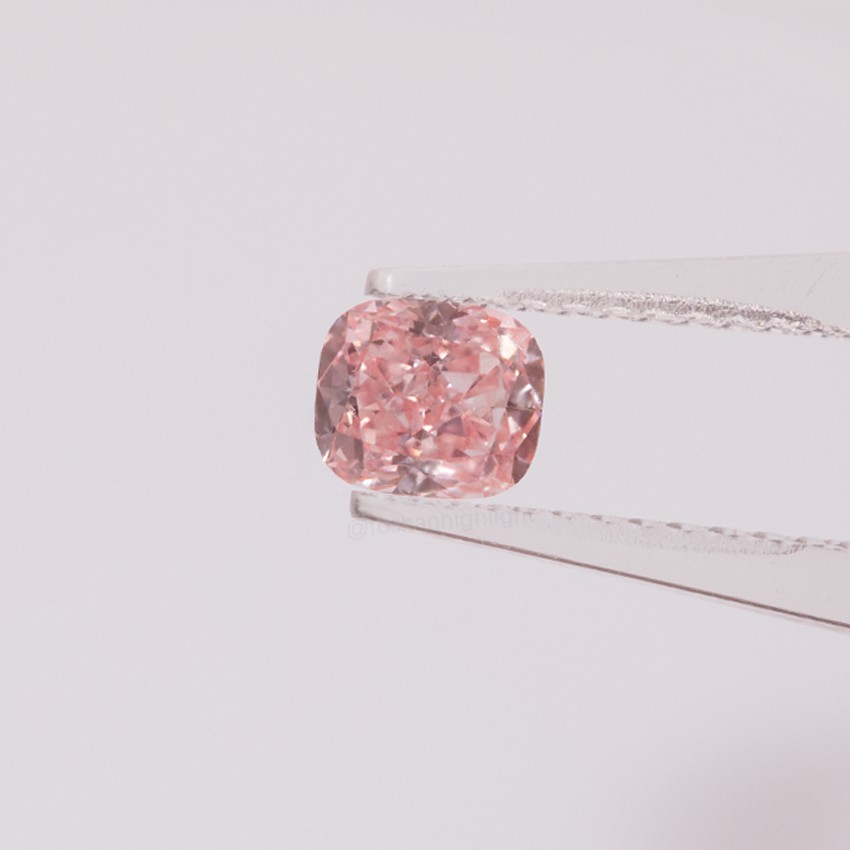
On the other hand, fancy color diamonds have attracted more attention, the market size of cultivated diamonds has expanded significantly, and the market acceptance has also continued to increase.









Your liking is the energy that I insist on writing
YouArticle
已有16人推荐
-

Single-Crystal vs Polycrystalline CVD Diamond: Process Difference Lies in Growth Logic, Not Equipment
The process difference between single crystal and polycrystalline CVD diamond lies not in equipment, but in growth logic. Single crystal and polycrystalline CVD diamond are two functional new materials with completely independent growth mechanisms, lattice structures and performance systems. Their process logic, product features and application boundaries diverge fundamentally from the very start of deposition and growth. Comparing or selecting materials without considering their underlying crys
-
From Lab-Grown Diamonds to Industrial Diamonds: Is It Time to Build an MPCVD Factory?
The lab-grown diamond industry is entering a new stage. Over the these few years, lab-grown diamonds have gradually gained wider acceptance in the jewelry market. With the development of production technology, equipment maturity and supply chain improvement, the industry is becoming more standardized and efficient. But beyond jewelry, another opportunity is attracting more attention:Industrial diamond applications.
-
Diamond‑Copper Composite: A Next‑Generation Solution for High‑Power Electronics Thermal Management
Diamond‑copper composite (DC) is an advanced metal‑matrix composite material consisting of diamond particles as the reinforcement phase and copper as the matrix, fabricated through state‑of‑the‑art composite preparation techniques. Diamond has the highest thermal conductivity of any naturally occurring material, with isotropic values ranging from 1200 to 2300 W/m·K. Copper, with a thermal conductivity of 401 W/m·K, ranks second only to silver among common metals. By combining the two, the compo
-
Mosaic Single‑Crystal Diamond: Breaking Size Limits
With an ultra‑wide bandgap of 5.47 eV, ultra‑high thermal conductivity (>2000 W/m·K), high carrier mobility (electron mobility up to 4500 cm²·V⁻¹·s⁻¹), and ultra‑high theoretical breakdown field strength (>10 MV/cm), Single‑Crystal Diamond (SCD) is an ideal candidate for next‑generation high‑power, high‑frequency and extreme‑environment electronic devices. However, both natural diamond and HPHT‑synthesized single‑crystal diamond are limited in lateral size, which greatly hinders large‑scal