- 中文
- English
- Español
The price all falling, but lab diamonds are taking the opportunity to rise?
2023-07-03 15:02:00
Click:
“
Since natural diamonds and laboratory-grown diamonds have the same physical characteristics, and international diamond appraisal agencies also have quality appraisal standards for laboratory-grown diamonds, laboratory-grown diamonds have become a popular choice for many consumers (especially American consumers). ) alternatives.
”
The Zimnisky Global Rough Diamond Price Index (Zimnisky Global Rough Diamond Price Index) shows that global rough diamond prices have fallen by 13.6% in the past year, and by 6.6% from January 2023.
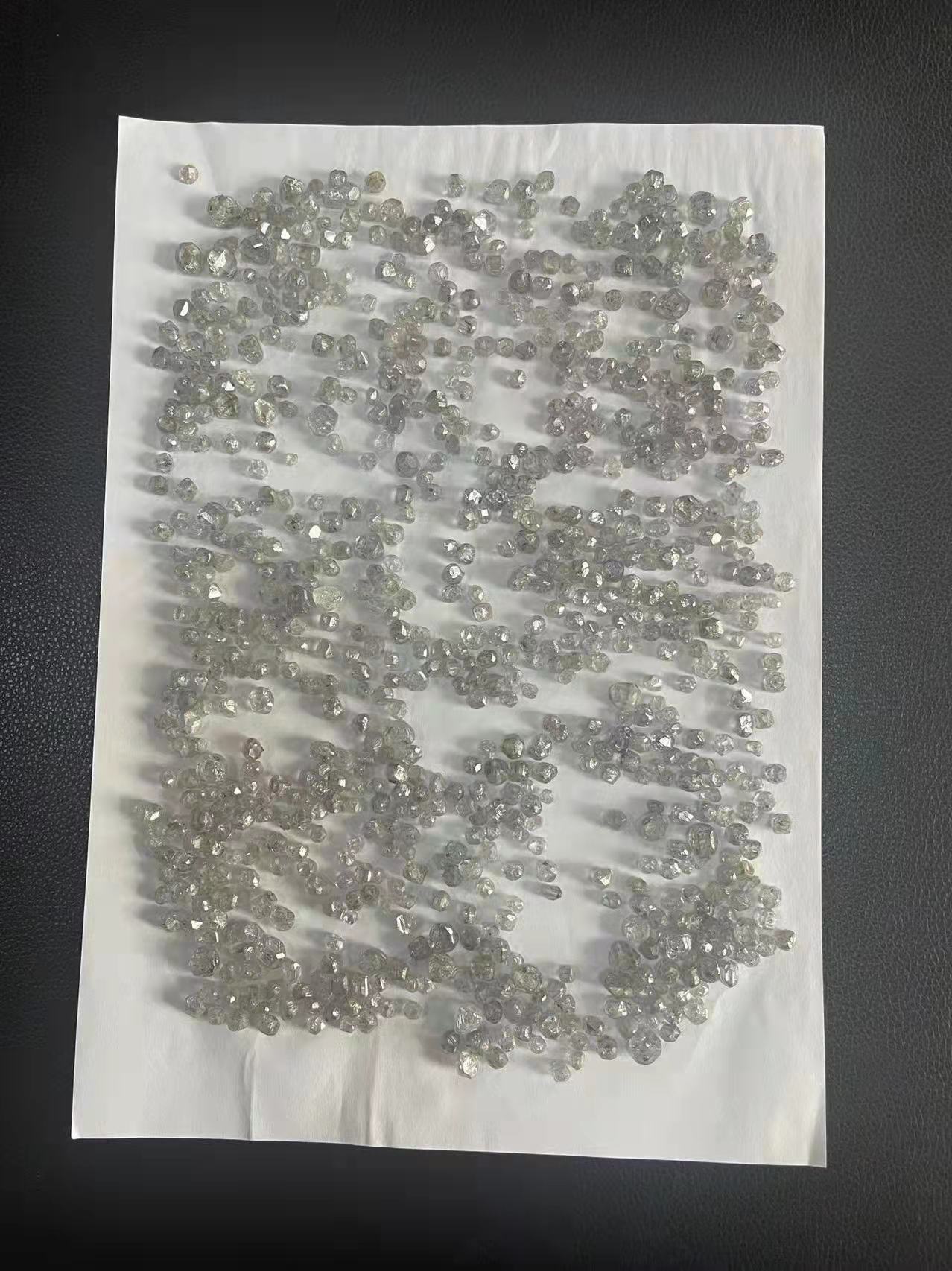
Industry personnel analyzed that the decline in diamond prices was partly due to the impact of the global economic slump. In addition, some practitioners believed that the growth of the laboratory-grown diamond market also indirectly affected the price of rough natural diamonds.
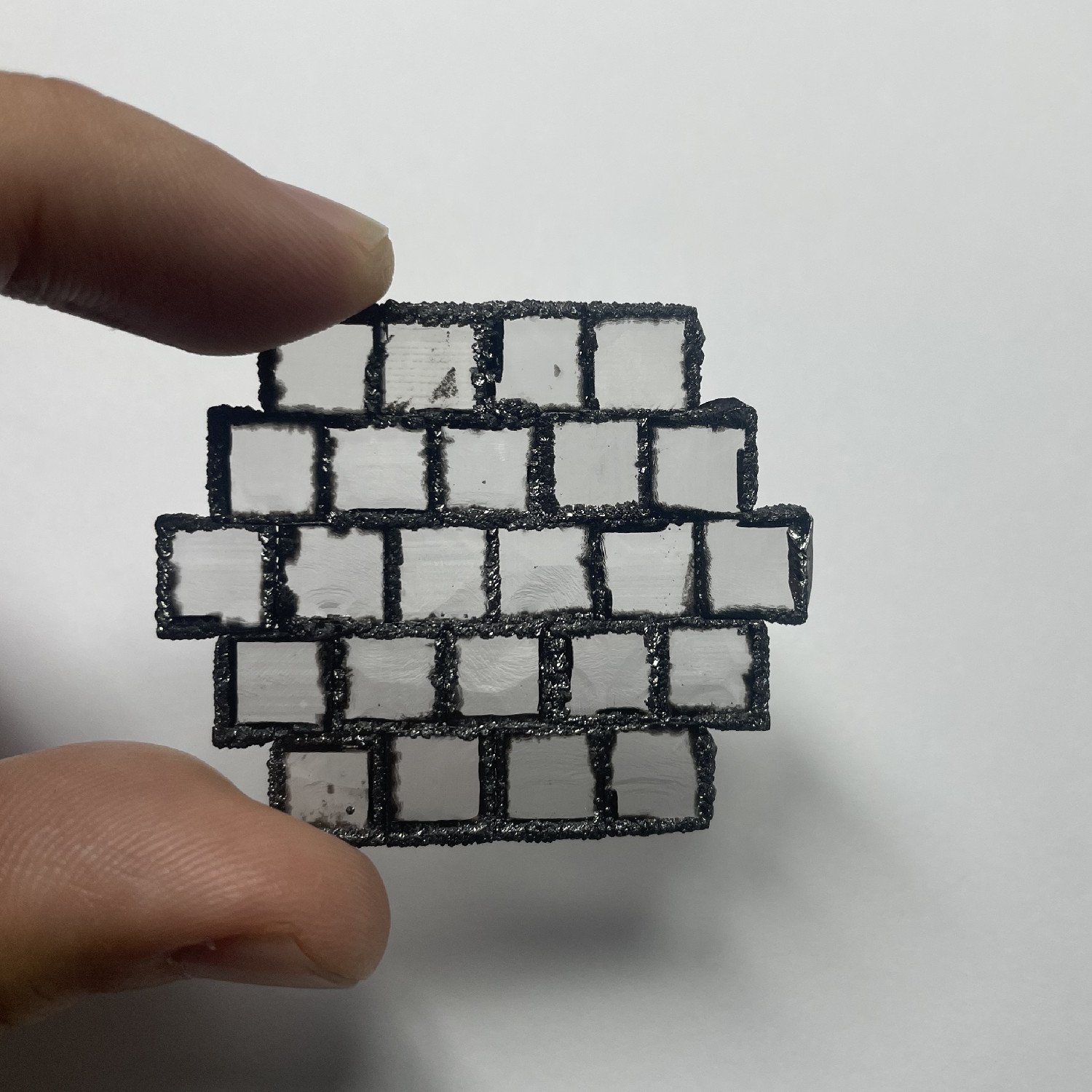
Similarly, the price of lab-grown diamonds is on a downward trend. With the maturity of technology and the gradual increase in production, the global price of lab-grown diamonds is declining every year. According to Bain & Company’s report, the retail price and wholesale price of polished laboratory-grown diamonds in 2020 have fallen from 35% and 20% of natural diamond prices in 2020 to 30% and 14% in 2021. CNBC reported citing data that in 2023 the price of laboratory-grown diamonds has fallen to even only 75% to 90% of natural diamonds.
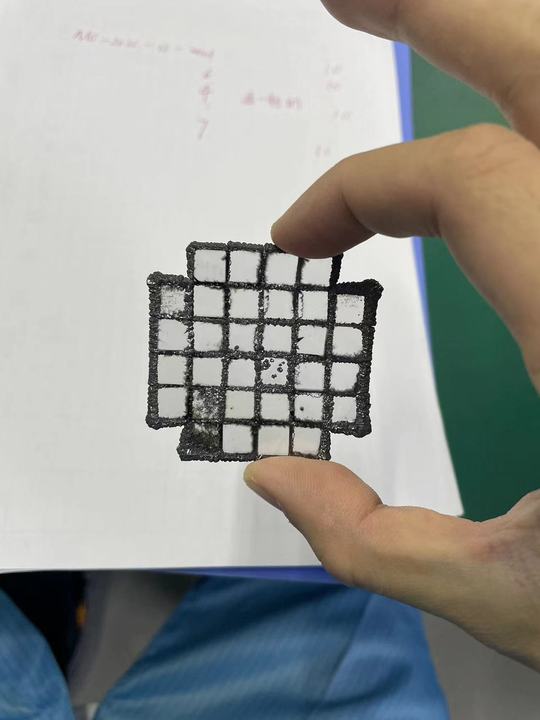
The industry media National Jewelry reported in 2022 that the global laboratory-grown diamond market size is about 9 billion to 10 billion US dollars (about 64.584 billion to 71.76 billion yuan), accounting for more than 10% of the global diamond jewelry market. Among them, the United States is still the world's largest consumer market for lab-grown diamonds, accounting for 80% of sales.
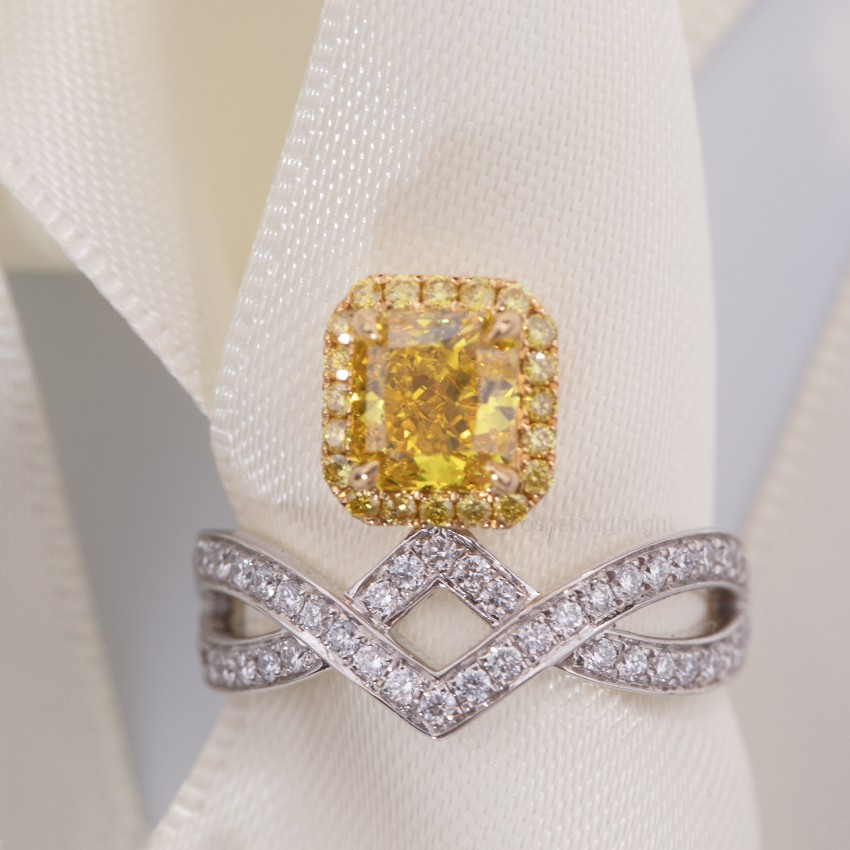
Edahn Golan, CEO of an independent diamond market research firm, told CNBC, “(Rough natural diamonds) prices are likely to continue to fall, especially because the profit margins of lab-grown diamond retailers are particularly high, about 60%, while natural diamonds The profit margin of the company is only 34%.”
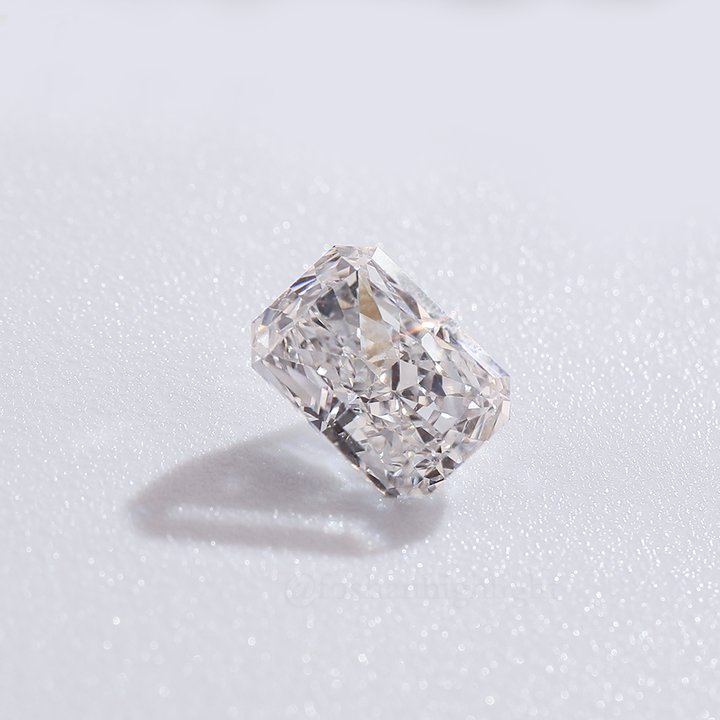
This has also forced many well-known diamond retailers to increase investment in laboratory-grown diamonds. Enterprises such as De Beers and Signet (the largest diamond jewelry retailer in the United States) that originally focused on the natural diamond market, as well as affordable luxury brands such as Pandora and Swarovski, have launched lab-grown diamond products in their own ways.
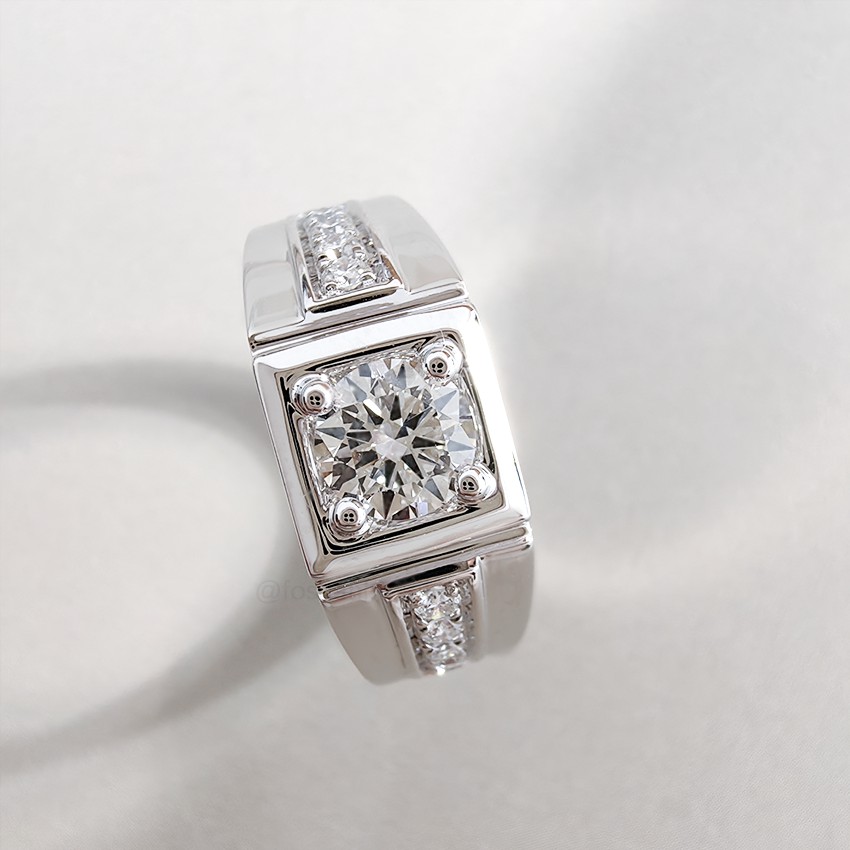
Since natural diamonds and laboratory-grown diamonds have the same physical characteristics, and international diamond appraisal agencies also have quality appraisal standards for laboratory-grown diamonds, laboratory-grown diamonds have become a popular choice for many consumers (especially American consumers). ) alternatives.










Prev : Can you tell the difference between grinding and grinding?
Next : Is it worthwhile to put lab-grown diamonds in jewelry stores?
Your liking is the energy that I insist on writing
YouArticle
已有16人推荐
-

CVD Single-Crystal Diamonds: An Analysis of the Complete Processing Workflow from Gas-Phase Deposition to Finished Diamond Chips
MPCVD (Microwave Plasma Chemical Vapor Deposition) technology is currently the core process for producing high-quality single-crystal diamond s. Thanks to its advantages of low defect rates, high purity, and controllable large dimensions, it is widely used in fields such as semiconductor heat dissipation, precision optics, and high-end sensors. The final quality of single-crystal diamond s depends on comprehensive process control throughout the entire workflow—from vapor deposition growth to pos
-
Single-Crystal or Polycrystalline Diamond — Which Has Greater Potential?
As diamond continues to enter industries such as semiconductors, thermal management, optics, high-power electronics, and precision machining, the requirements for diamond materials are also evolving.
-
Diamond Polishing and Grinding Processes: Core Challenges and Industry Hurdles
Diamond is often hailed as the “ultimate material” – ranking 10 on the Mohs hardness scale, boasting an ultra‑high thermal conductivity (~2,200 W/(m·K)), excellent chemical stability, and broad optical transparency. These properties make it irreplaceable in cutting‑edge applications such as semiconductor heat dissipation, high‑end optics, and quantum chips. Yet the paradox of “good materials are hard to process” is nowhere more evident than in diamond. From rough grinding for planarization to at
-
Single-Crystal vs Polycrystalline CVD Diamond: Process Difference Lies in Growth Logic, Not Equipment
The process difference between single crystal and polycrystalline CVD diamond lies not in equipment, but in growth logic. Single crystal and polycrystalline CVD diamond are two functional new materials with completely independent growth mechanisms, lattice structures and performance systems. Their process logic, product features and application boundaries diverge fundamentally from the very start of deposition and growth. Comparing or selecting materials without considering their underlying crys