- 中文
- English
- Español
How are lab-grown diamonds growing?
2024-01-22 09:39:44
Click:
“
Scientists and visionaries have long harbored the dream of creating beautiful and priceless diamonds from the simple element carbon. This dream is as compelling as the ancient alchemist's attempt to turn lead into gold. Now, we are finally able to produce gem-quality lab-grown diamonds large enough to be used in jewelry. So, how is this achieved?
”
How are lab-grown diamonds growing?
Scientists and visionaries have long harbored the dream of creating beautiful and priceless diamonds from the simple element carbon. This dream is as compelling as the ancient alchemist's attempt to turn lead into gold. Now, we are finally able to produce gem-quality lab-grown diamonds large enough to be used in jewelry. So, how is this achieved?
Early Efforts
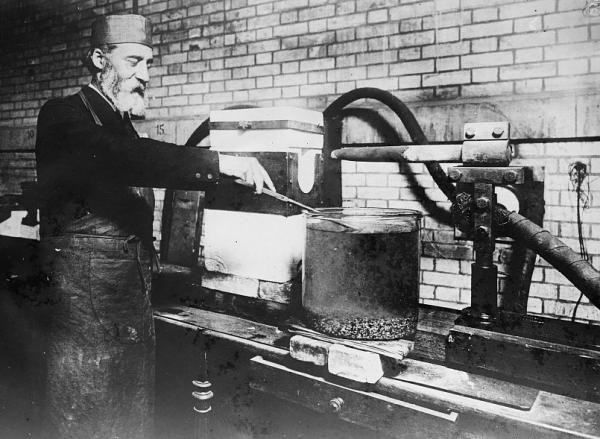
Henri Moissan attempted to create diamonds over 100 years ago.
Henri Moissan was one of the early pioneers in the field of lab-grown diamonds. In 1893, he claimed to have successfully created diamonds by heating charcoal to 3,500 degrees Celsius in a carbon crucible. Although there have been many attempts to replicate his technique and some results have been achieved, these have not been scientifically proven. Despite this, the pace of exploration never stops. Diamond is a crystal form of carbon, and the key to its manufacture is to create artificial carbon crystals. For decades, cultured gem manufacturers have tried and failed to grow diamonds in the same way that rubies, sapphires and emeralds are grown. However, they did not give up and instead sought to simulate the natural growth process of diamonds in the laboratory.
In fact, lab-grown diamonds are not cheap
A big misunderstanding is that many people now think of lab-grown diamonds as too “cheap”. In fact, this phenomenon is very common now. Many people will take it for granted that since cultured jewelry is "man-made", it should be the same as synthetic moissanite, which can be purchased for a few hundred dollars. That is really a big mistake. Very wrong. In fact, lab-grown diamonds are not cheap.
What many people don’t know is that cultivated diamonds and natural diamonds have exactly the same optical properties, physical and chemical properties, and are composed of the same material, carbon atoms. They can be said to be genuine diamonds!
To achieve this feature, you need advanced technology and powerful equipment support. There are currently two main methods for diamond cultivation on the market, namely CVD (Chemical Vapor Deposition) method and HPHT (High Temperature and High Pressure) method.
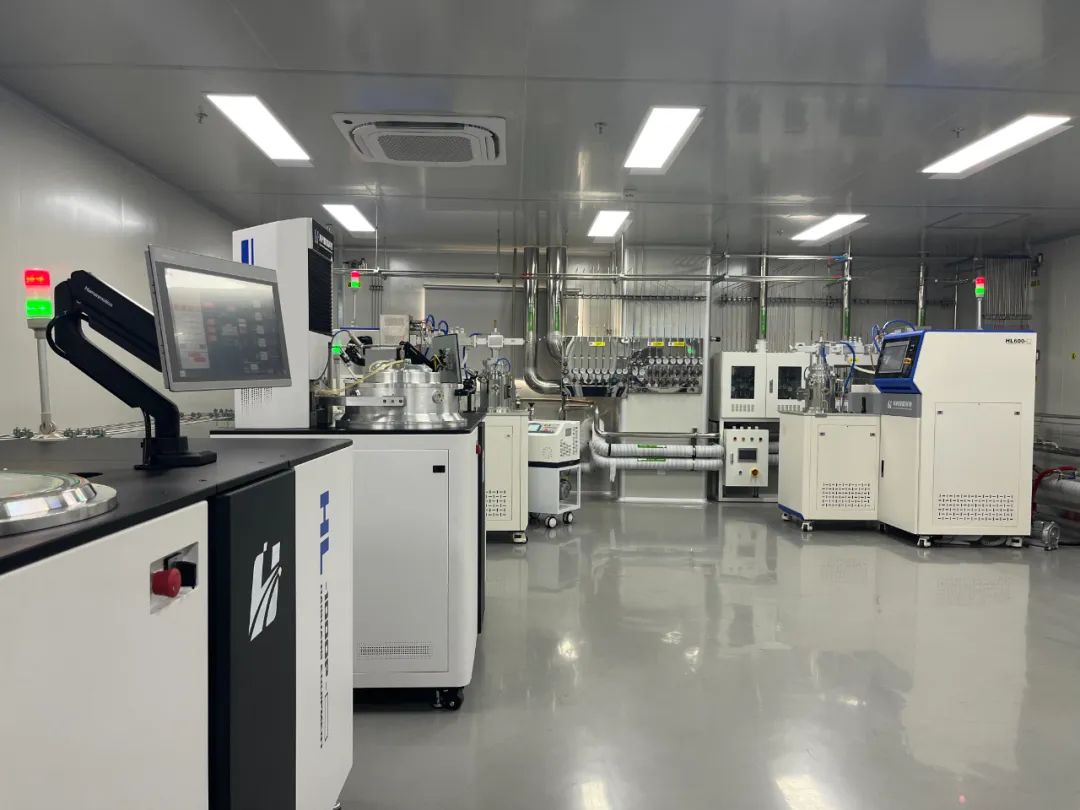
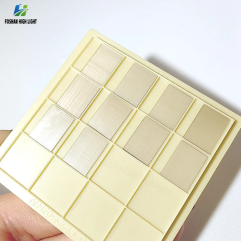
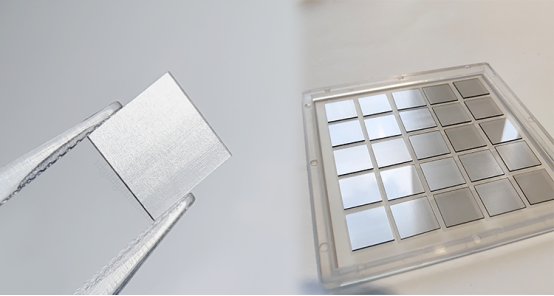
Compared with HPHT diamonds, High Light Intelligence Technology has always focused on the growth of CVD diamonds and the research and development of MPCVD equipment. The company has independently developed CVD diamond deposition equipment, cutting-edge CVD growth technology and complete detection and processing methods, as well as MPCVD equipment, CVD Products such as single crystal rough diamonds, CVD multi-crystal wafers, CVD seed crystals and loose diamonds, and finished jewelry products have been recognized by customers at home and abroad.
CVD Diamond
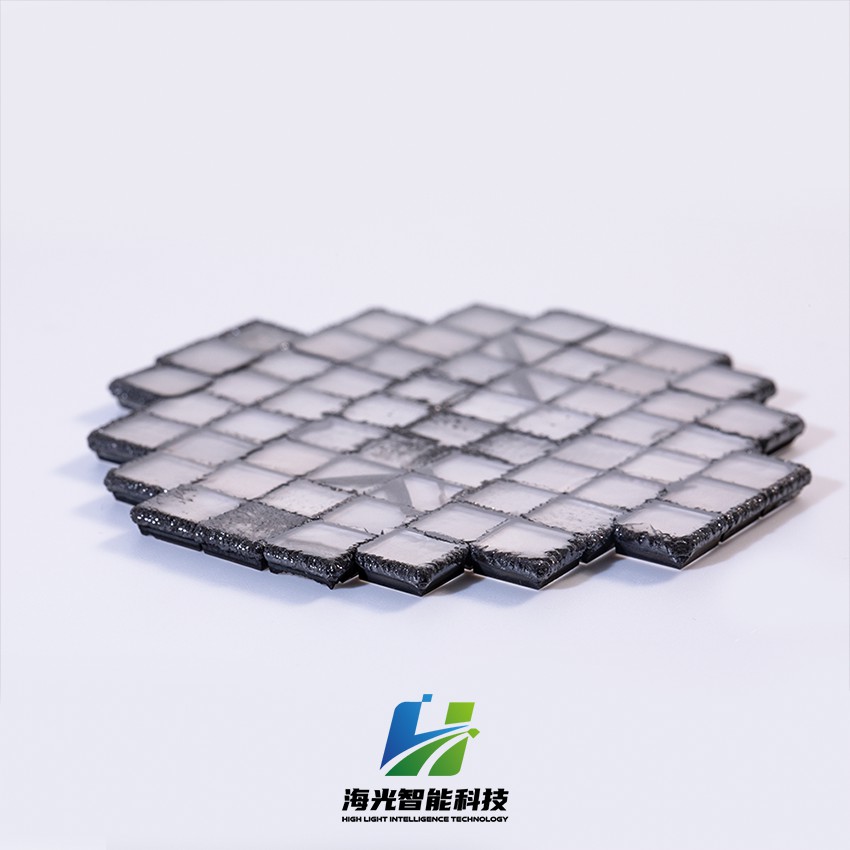
CVD diamond before cleaning and cutting.
MPCVD (Microwave Plasma ChemicalVapor Deposition) microwave plasma chemical vapor deposition method means that high-purity hydrogen generates high-energy plasma fireballs under the action of powerful microwaves, and high-purity methane gas turns into free carbon atoms and hydrogen atoms under the action of plasma. These Under the action of powerful plasma, free carbon atoms will gradually precipitate in a three-dimensional arrangement onto the diamond seeds at the bottom, causing the diamond seeds to gradually grow thicker and grow to form CVD-grown diamonds that have exactly the same structure and composition as natural diamonds. HPHT (high pressure and high temperature) technology directly converts carbon sources into diamonds under high pressure and high temperature conditions. MPCVD is more economical than HPHT. MPCVD uses relatively small equipment and low energy consumption, so the investment and operating costs required are relatively low. The clarity of diamonds grown by this technology is also relatively higher, while HPHT requires larger equipment and higher clarity. operating costs.
In short, "cultured diamonds" use high technology to simulate the environment in which natural diamonds are formed in the earth's crust. Carbon atoms are superimposed layer by layer to form a rough stone. In terms of physical and chemical morphology, this kind of rough stone is different from the one dug underground. There is almost no difference in the rough diamonds that come out. "Cultivated diamonds" require professional technical personnel in the production process, operation and maintenance, and technology research and development expenses have become one of the major investment costs in the field of cultivated diamonds. Then there are the cutting and mounting costs. If you want to get a desired piece of jewelry, you cannot do without the process of cutting and polishing rough diamonds, and the processing costs incurred by these are inevitable. Ultimately, the price of cultured diamonds is determined by a variety of factors. It can be said that they are not only dazzling jewelry, but also a romantic combination of technology and aesthetics. Finally, lab-grown diamonds have one major advantage. Lab-grown diamonds can be designed. In the process of growing diamonds from rough stones to jewelry, there is no need to worry about possible losses. Therefore, designers can fully use their inspiration and create more flexible and more beautiful products within a certain trial and error space. Designer jewelry pieces.
How should we choose diamonds?
When choosing a diamond, it can be evaluated based on the internationally accepted 4C standards, namely Carat, Color, Clarity and Cut. At the same time, the setting method is also an important factor to consider when choosing diamonds.
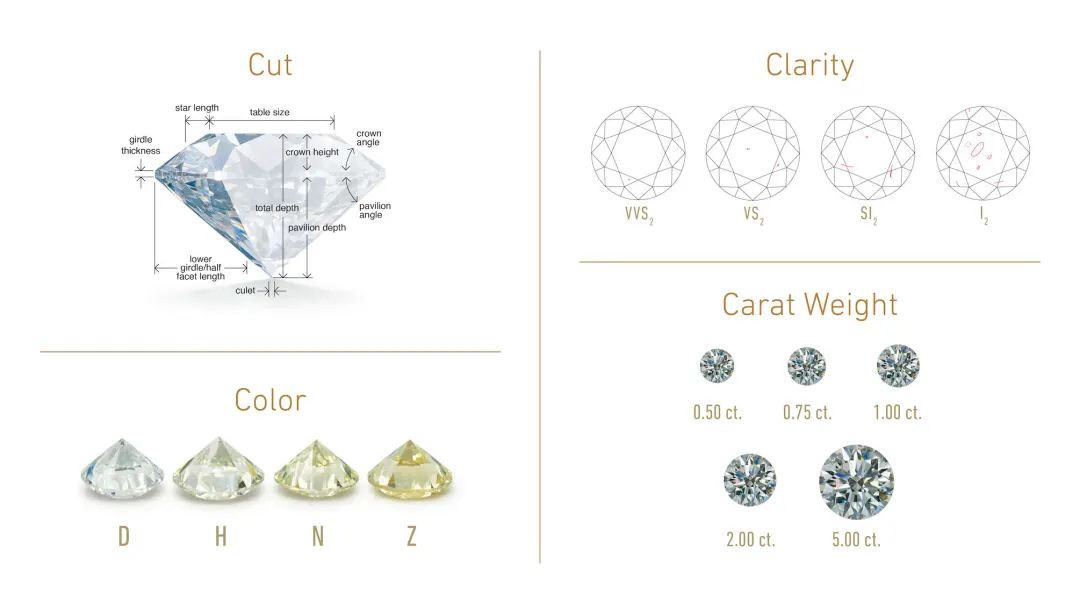
Weight: The weight of a diamond is usually measured in carats, with 1 carat equal to 0.2 grams. Based on weight, diamonds can be classified into small, medium, large and extra-large diamonds. When purchasing a diamond, you need to choose the right weight based on your needs and budget.
Color: Diamond color grades start from D and go from E, F, G, H, I, J, K, L, M, N. The closer it is to D grade, the more transparent the color and the higher the price. If you're on a budget, you can choose a slightly lower color grade, but be careful not to choose an overly obvious yellow tone.
Clarity: The clarity grades of diamonds start from IF and are VVS, VS, SI, and I in order. Clarity grade is primarily determined by the size and location of flaws within the diamond. If you have a limited budget, you can choose a slightly lower clarity grade, but be careful not to choose a diamond with too obvious flaws.
Cut: Cut is a key factor in determining how brilliant a diamond will shine. The cut grades start from EX and are VG, G, F, and P in order. When purchasing a diamond, it is best to choose a diamond with a higher cut grade to ensure its brilliance and value.
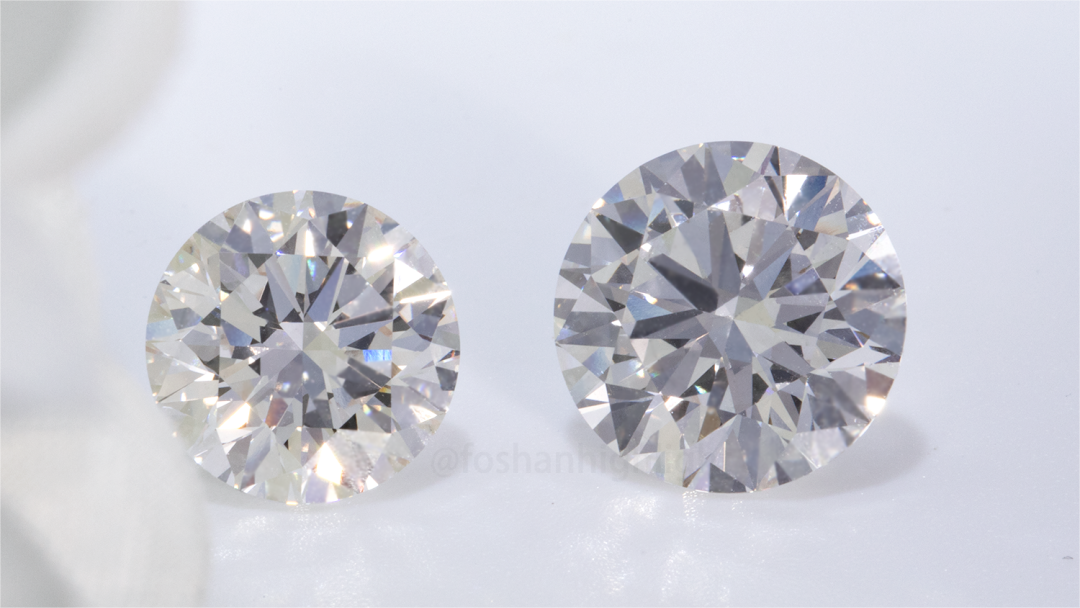
When choosing the setting method of diamonds, you can choose according to your own preferences and needs. Common setting methods include prong setting, bezel setting, nail setting, column setting, hidden setting and orbit setting. Each setting method has its own characteristics, advantages and disadvantages, which need to be comprehensively considered based on factors such as the size, shape and budget of the diamond.
In short, when choosing a diamond, you need to comprehensively consider the 4C standards and setting methods, and also pay attention to the quality and authenticity of the diamond. If you choose High Light Intelligence Technology to buy diamonds, we will provide you with a diamond appraisal certificate to ensure the quality and authenticity of the diamonds. We are a merchant you can trust.









-

CVD Single-Crystal Diamonds: An Analysis of the Complete Processing Workflow from Gas-Phase Deposition to Finished Diamond Chips
MPCVD (Microwave Plasma Chemical Vapor Deposition) technology is currently the core process for producing high-quality single-crystal diamond s. Thanks to its advantages of low defect rates, high purity, and controllable large dimensions, it is widely used in fields such as semiconductor heat dissipation, precision optics, and high-end sensors. The final quality of single-crystal diamond s depends on comprehensive process control throughout the entire workflow—from vapor deposition growth to pos
-
Single-Crystal or Polycrystalline Diamond — Which Has Greater Potential?
As diamond continues to enter industries such as semiconductors, thermal management, optics, high-power electronics, and precision machining, the requirements for diamond materials are also evolving.
-
Diamond Polishing and Grinding Processes: Core Challenges and Industry Hurdles
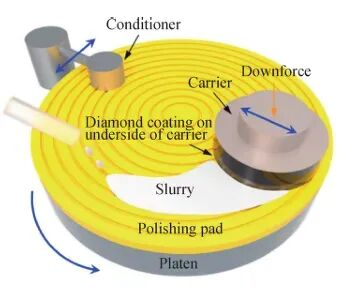
Diamond is often hailed as the “ultimate material” – ranking 10 on the Mohs hardness scale, boasting an ultra‑high thermal conductivity (~2,200 W/(m·K)), excellent chemical stability, and broad optical transparency. These properties make it irreplaceable in cutting‑edge applications such as semiconductor heat dissipation, high‑end optics, and quantum chips. Yet the paradox of “good materials are hard to process” is nowhere more evident than in diamond. From rough grinding for planarization to at
-
Single-Crystal vs Polycrystalline CVD Diamond: Process Difference Lies in Growth Logic, Not Equipment
The process difference between single crystal and polycrystalline CVD diamond lies not in equipment, but in growth logic. Single crystal and polycrystalline CVD diamond are two functional new materials with completely independent growth mechanisms, lattice structures and performance systems. Their process logic, product features and application boundaries diverge fundamentally from the very start of deposition and growth. Comparing or selecting materials without considering their underlying crys