- 中文
- English
- Español
What is the difference between semiconductor substrate and epitaxy?
2024-03-22 17:13:32
Click:
“
Silicon epitaxial layers and substrates are two important components in the semiconductor manufacturing process. The substrate is the basis for semiconductor chip manufacturing and is mainly made of single crystal silicon material. The silicon epitaxial layer is a layer of silicon material processed and grown on the substrate, and its material properties are the same as the substrate. Both are different in composition, structure and properties.
”
Silicon epitaxial layers and substrates are two important components in the semiconductor manufacturing process. The substrate is the basis for semiconductor chip manufacturing and is mainly made of single crystal silicon material. The silicon epitaxial layer is a layer of silicon material processed and grown on the substrate, and its material properties are the same as the substrate. Both are different in composition, structure and properties.
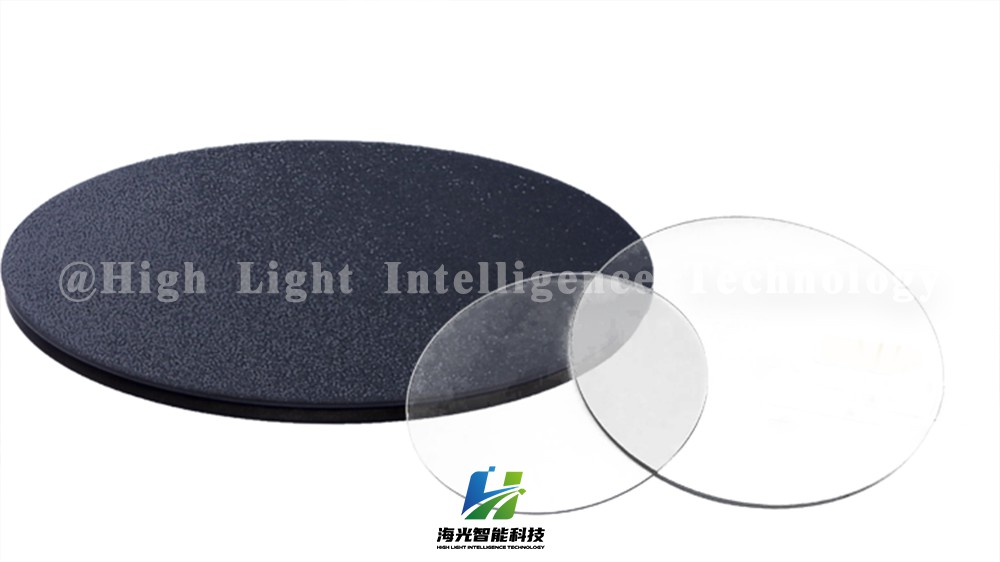
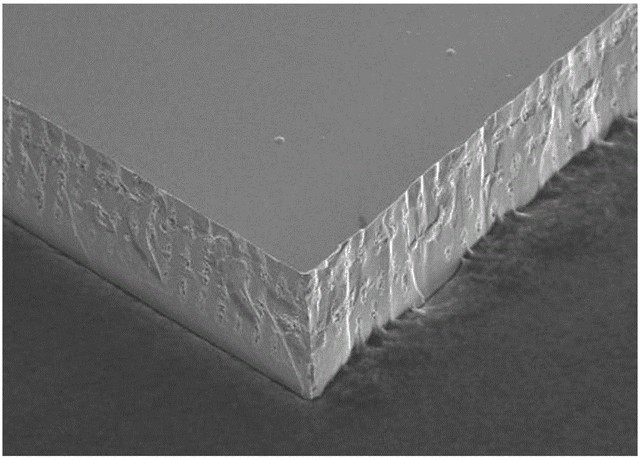

The value of epitaxial wafers is reflected in their ingenious combination of materials. For example, by growing a thin layer of GaN epitaxy on a lower-cost silicon wafer, it is possible to partially realize the wide bandgap characteristics of expensive and excellent third-generation semiconductors using relatively inexpensive first-generation semiconductor materials. , achieving high cost performance. However, heteroepitaxial structures are also accompanied by a series of challenges, such as lattice mismatch, inconsistent temperature coefficients and poor thermal conductivity. Just like building scaffolding on a plastic foundation, different materials will have differences in expansion and contraction when the temperature changes, and Silicon's thermal conductivity is not ideal.
Homoepitaxy, that is, growing an epitaxial layer that is the same as the substrate material on the substrate, is meant to further improve the stability and reliability of the product. Although the materials are the same, the material purity and uniformity on the wafer surface are significantly improved through epitaxy processing. Compared with mechanically polished polished wafers, the surface of epitaxial wafers is smoother and cleaner, with significantly reduced micro-defects and impurities, more uniform resistivity, and more precise control of defects such as surface particles, stacking faults, and dislocations. Therefore, epitaxy technology not only optimizes product performance, but also ensures product stability and reliability.
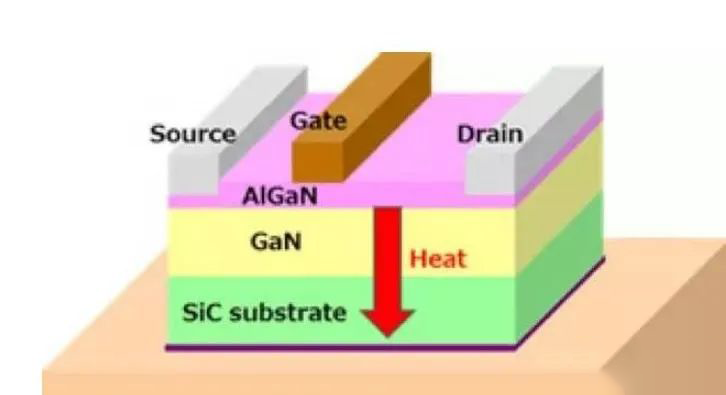
In the fields of modern electronics, optoelectronics, microelectronics and information technology, semiconductor substrates and epitaxial technologies play an indispensable role. They provide a solid foundation for manufacturing high-performance, high-reliability semiconductor devices. With the continuous development of science and technology, semiconductor substrate and epitaxial technology will also continue to advance, bringing new breakthroughs and developments to the future semiconductor industry.
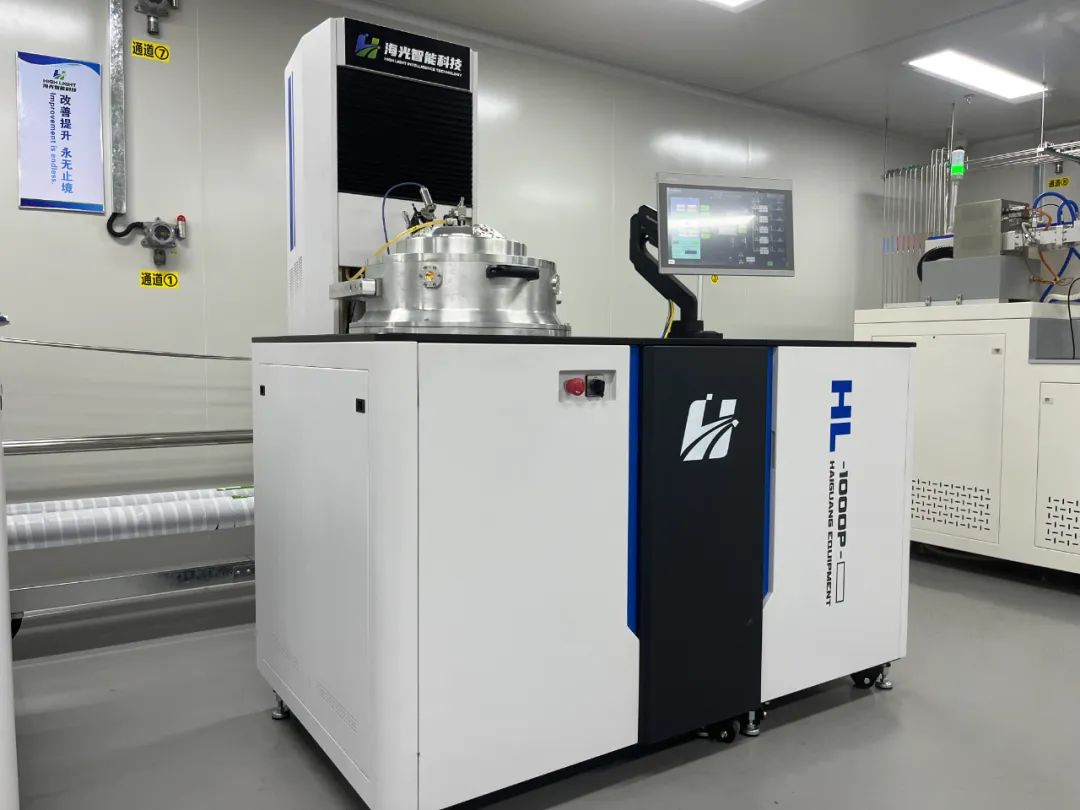
With MPCVD technology as its core, High Light Intelligence Technology has long been committed to the R&D and manufacturing of high-quality diamond materials and related equipment. It has advanced MPCVD equipment, laser processing equipment and precision polishing equipment. High Light Intelligence Technology's MPCVD technology equipment can produce high-quality diamond, thereby helping to improve the performance of integrated circuits. Our products and services are designed to provide customers with the best solutions to meet their needs for high quality diamond and integrated circuit performance.









-

CVD Single-Crystal Diamonds: An Analysis of the Complete Processing Workflow from Gas-Phase Deposition to Finished Diamond Chips
MPCVD (Microwave Plasma Chemical Vapor Deposition) technology is currently the core process for producing high-quality single-crystal diamond s. Thanks to its advantages of low defect rates, high purity, and controllable large dimensions, it is widely used in fields such as semiconductor heat dissipation, precision optics, and high-end sensors. The final quality of single-crystal diamond s depends on comprehensive process control throughout the entire workflow—from vapor deposition growth to pos
-
Single-Crystal or Polycrystalline Diamond — Which Has Greater Potential?
As diamond continues to enter industries such as semiconductors, thermal management, optics, high-power electronics, and precision machining, the requirements for diamond materials are also evolving.
-
Diamond Polishing and Grinding Processes: Core Challenges and Industry Hurdles
Diamond is often hailed as the “ultimate material” – ranking 10 on the Mohs hardness scale, boasting an ultra‑high thermal conductivity (~2,200 W/(m·K)), excellent chemical stability, and broad optical transparency. These properties make it irreplaceable in cutting‑edge applications such as semiconductor heat dissipation, high‑end optics, and quantum chips. Yet the paradox of “good materials are hard to process” is nowhere more evident than in diamond. From rough grinding for planarization to at
-
Single-Crystal vs Polycrystalline CVD Diamond: Process Difference Lies in Growth Logic, Not Equipment
The process difference between single crystal and polycrystalline CVD diamond lies not in equipment, but in growth logic. Single crystal and polycrystalline CVD diamond are two functional new materials with completely independent growth mechanisms, lattice structures and performance systems. Their process logic, product features and application boundaries diverge fundamentally from the very start of deposition and growth. Comparing or selecting materials without considering their underlying crys