- 中文
- English
- Español
Excellent properties and wide applications of diamond/Cu composites
2024-07-26 10:01:04
Click:
“
As an innovative material that combines diamond and copper alloys, diamond/Cu composite materials have demonstrated excellent performance and broad application prospects in the field of materials science. This composite material not only inherits the high thermal conductivity and low thermal expansion coefficient of diamond, but also combines the excellent electrical conductivity and processing performance of copper, making it has significant application in many high-tech fields, such as semicon
”
Diamond/Cu composites, as a new type of material that combines the excellent thermophysical properties of diamond with the excellent electrical, thermal and processing properties of copper, have attracted widespread attention in the field of materials science in recent years. This composite material uses a specific preparation process to evenly disperse diamond particles in the copper matrix, thereby achieving complementary and improved performance.
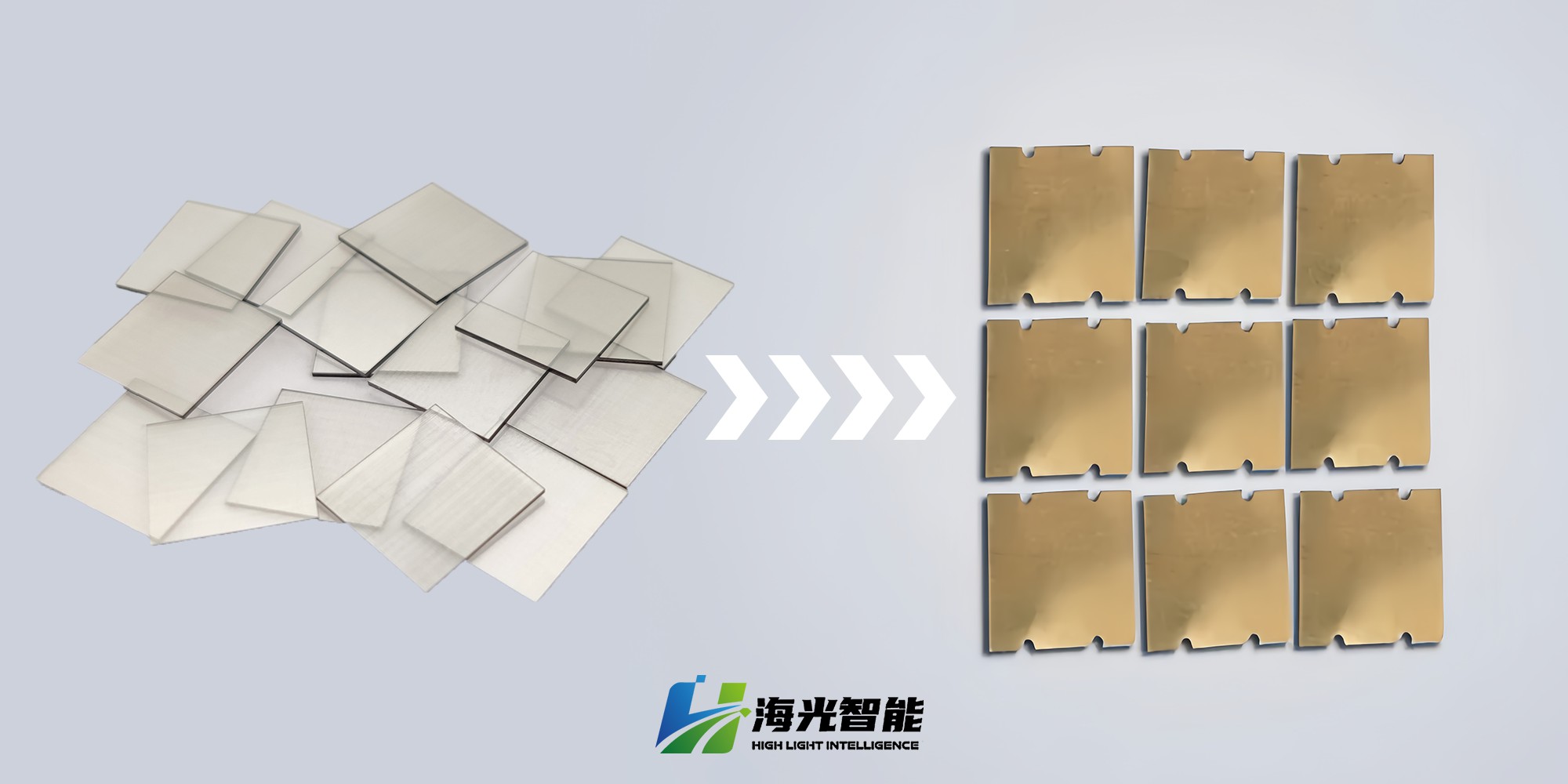
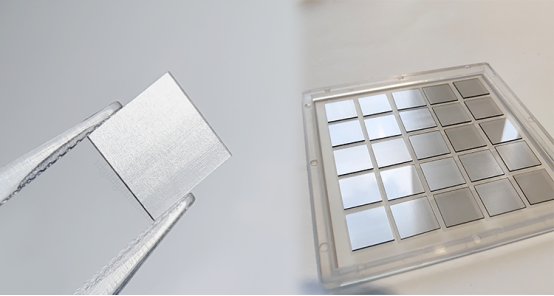
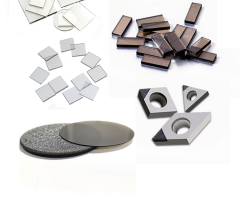
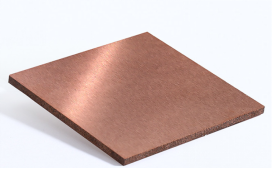
As one of the materials with the highest thermal conductivity in nature, diamond can significantly increase the overall thermal conductivity of the composite material when combined with copper. This property gives diamond/Cu composites significant advantages in the field of heat dissipation, especially in heat dissipation solutions for high-power electronic components.
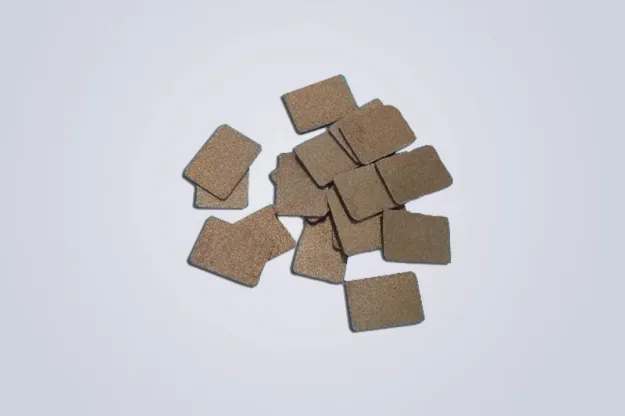
Widely Used
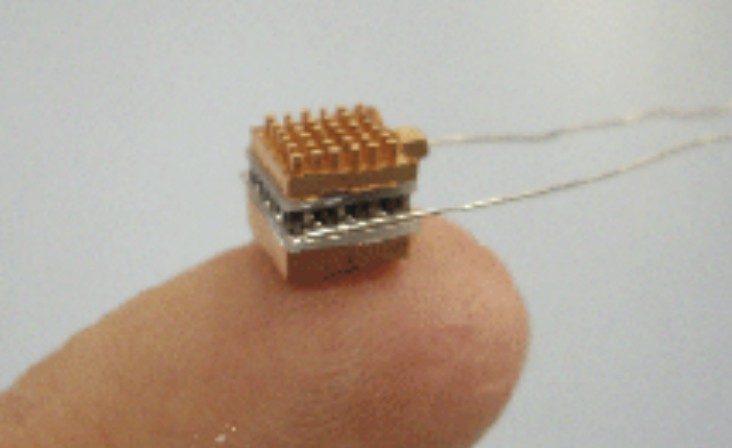
Diamond/Cu composite materials have shown wide application potential in many fields due to their unique high thermal conductivity, low thermal expansion coefficient, high hardness and wear resistance. In the field of electronic packaging, it has become an ideal choice for high-power electronic components, effectively improving heat dissipation efficiency and equipment stability; as a thermal interface material, it improves heat transfer efficiency; in cutting tool and mold manufacturing, it improves processing accuracy and efficiency and reduces costs; in the aerospace field, it uses its light weight, high strength and high thermal conductivity characteristics to improve the performance and safety of aircraft; and in the energy field, this material is also regarded as an important candidate material for improving heat exchange and solar energy conversion efficiency.
Diamond/Cu composites have shown great potential in many fields due to their excellent performance and wide application prospects. With the continuous advancement of technology and in-depth application research, it is believed that this composite material will play a more important role in the future.









-

Single-Crystal vs Polycrystalline CVD Diamond: Process Difference Lies in Growth Logic, Not Equipment
The process difference between single crystal and polycrystalline CVD diamond lies not in equipment, but in growth logic. Single crystal and polycrystalline CVD diamond are two functional new materials with completely independent growth mechanisms, lattice structures and performance systems. Their process logic, product features and application boundaries diverge fundamentally from the very start of deposition and growth. Comparing or selecting materials without considering their underlying crys
-
From Lab-Grown Diamonds to Industrial Diamonds: Is It Time to Build an MPCVD Factory?
The lab-grown diamond industry is entering a new stage. Over the these few years, lab-grown diamonds have gradually gained wider acceptance in the jewelry market. With the development of production technology, equipment maturity and supply chain improvement, the industry is becoming more standardized and efficient. But beyond jewelry, another opportunity is attracting more attention:Industrial diamond applications.
-
Diamond‑Copper Composite: A Next‑Generation Solution for High‑Power Electronics Thermal Management
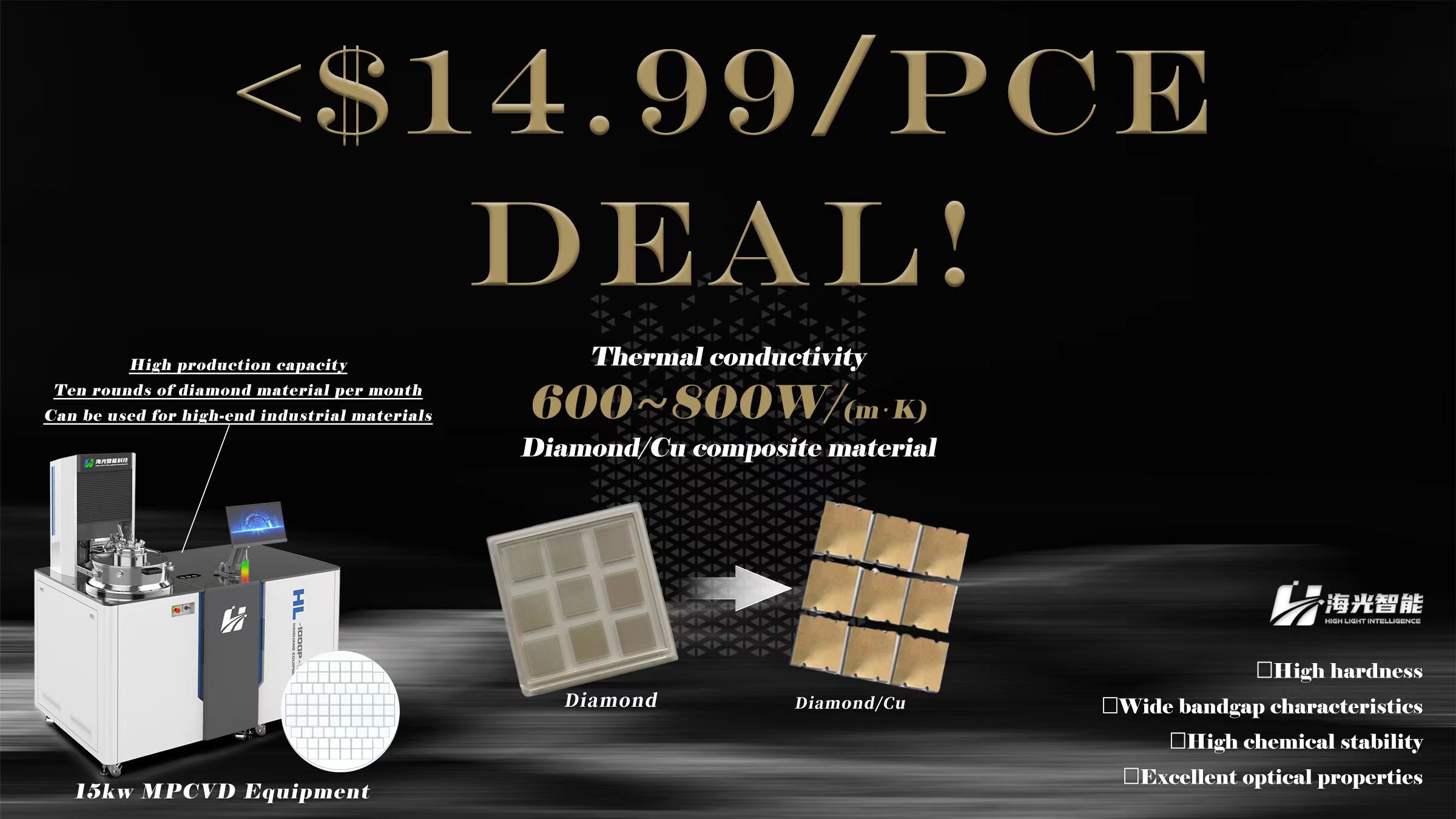
Diamond‑copper composite (DC) is an advanced metal‑matrix composite material consisting of diamond particles as the reinforcement phase and copper as the matrix, fabricated through state‑of‑the‑art composite preparation techniques. Diamond has the highest thermal conductivity of any naturally occurring material, with isotropic values ranging from 1200 to 2300 W/m·K. Copper, with a thermal conductivity of 401 W/m·K, ranks second only to silver among common metals. By combining the two, the compo
-
Mosaic Single‑Crystal Diamond: Breaking Size Limits
With an ultra‑wide bandgap of 5.47 eV, ultra‑high thermal conductivity (>2000 W/m·K), high carrier mobility (electron mobility up to 4500 cm²·V⁻¹·s⁻¹), and ultra‑high theoretical breakdown field strength (>10 MV/cm), Single‑Crystal Diamond (SCD) is an ideal candidate for next‑generation high‑power, high‑frequency and extreme‑environment electronic devices. However, both natural diamond and HPHT‑synthesized single‑crystal diamond are limited in lateral size, which greatly hinders large‑scal