- 中文
- English
- Español
What are the advantages of CVD diamond chips?
2024-08-30 09:39:03
Click:
“
In an era where performance and efficiency are paramount, the technological innovation led by CVD diamond chips is emerging, illuminating the future of the semiconductor industry like a bright star. Let's explore the charm and unlimited potential of this technological pearl!
”
In the era of pursuing ultimate performance and efficiency, a technological revolution led by CVD diamond chips is quietly emerging. It is like a bright star, illuminating the future of the semiconductor industry. Today, let us explore the unique charm and infinite possibilities of this technological pearl together!
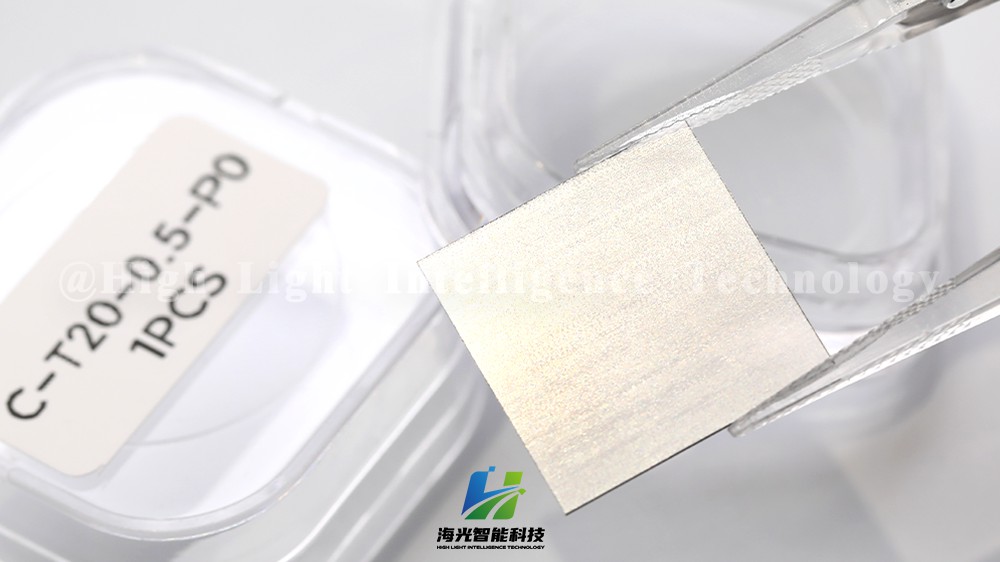
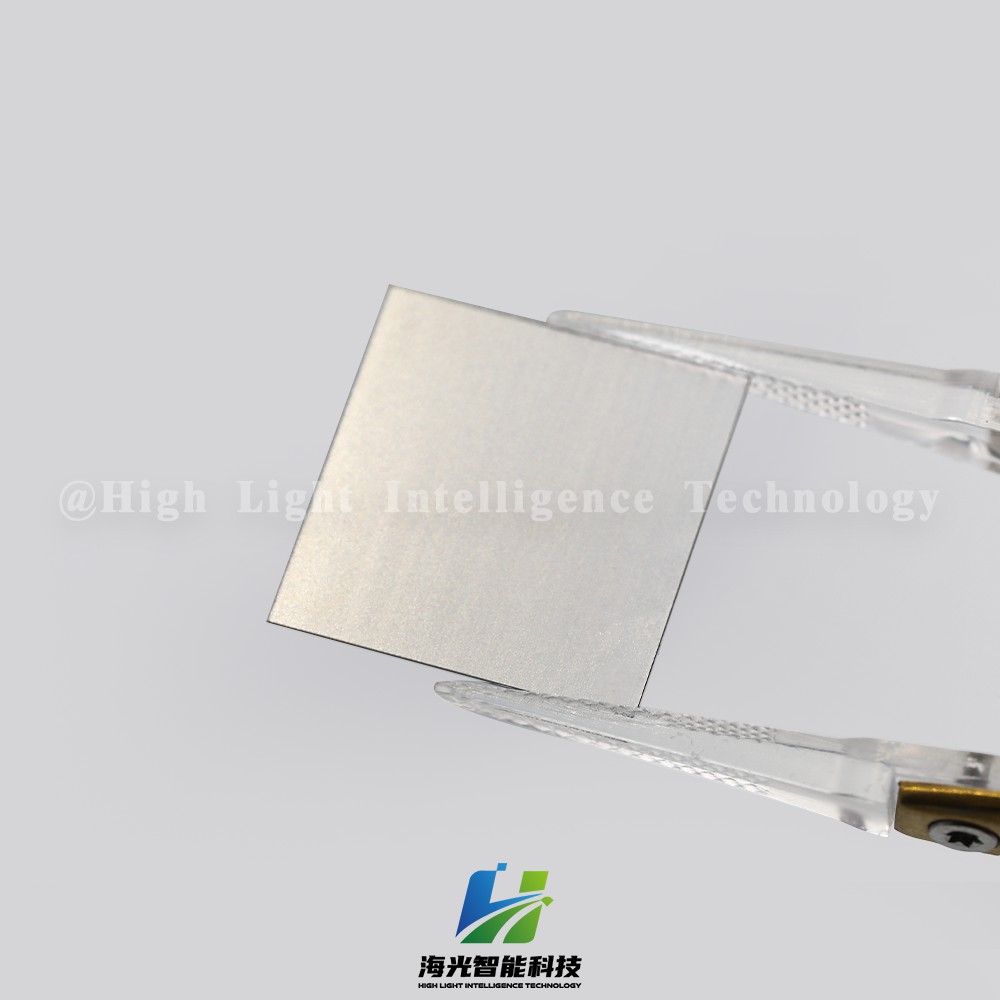
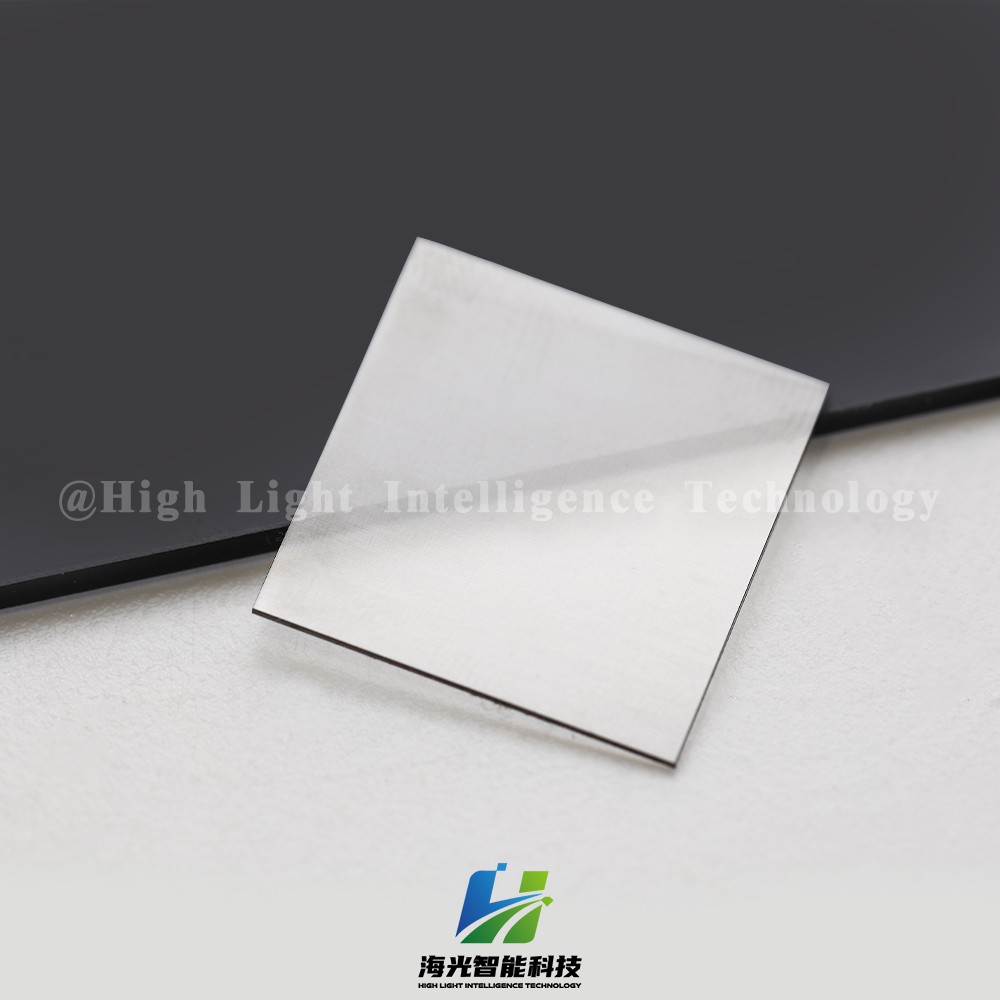

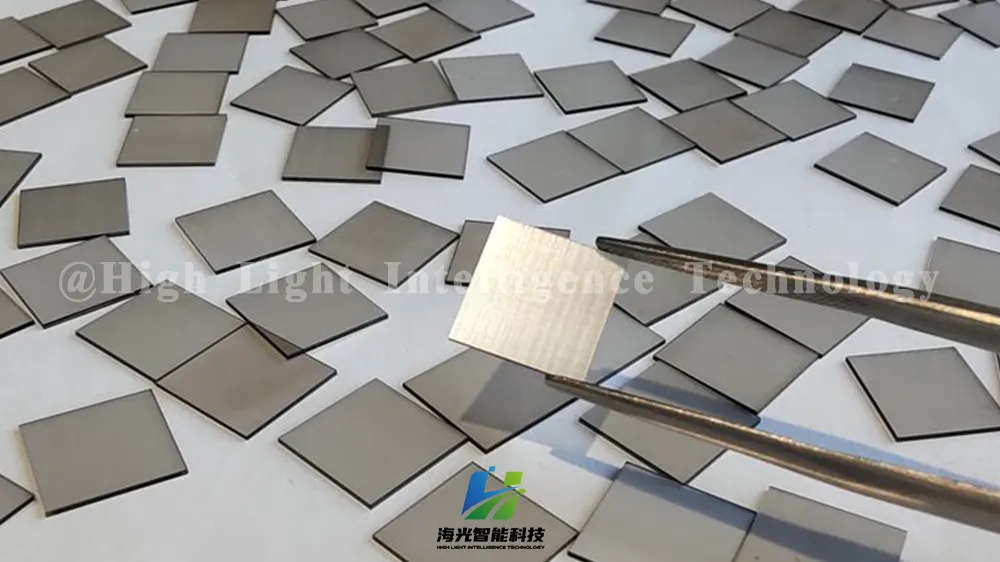
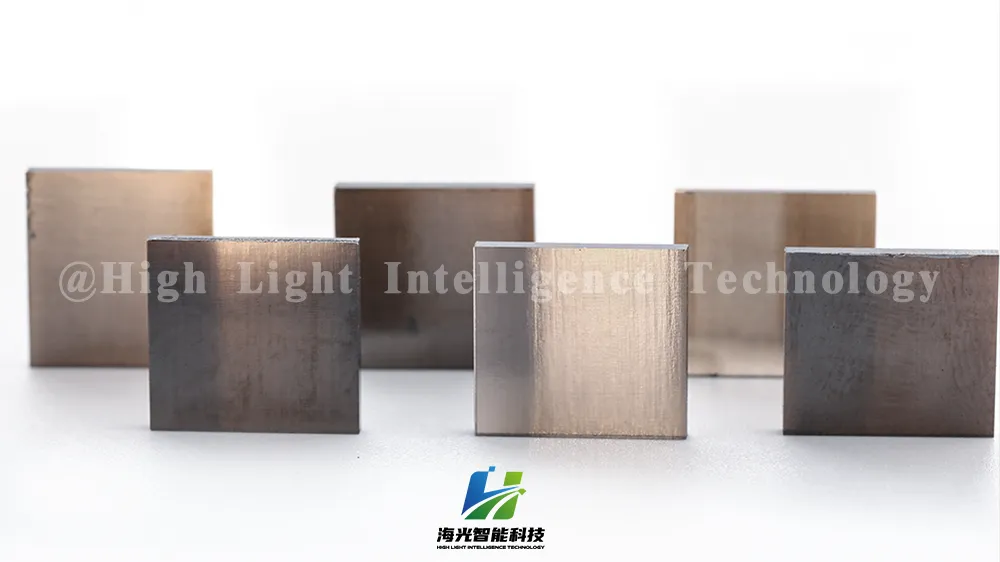
Diamond has become an efficient heat dissipation material with excellent heat dissipation performance, significantly reducing heat dissipation losses and ensuring stable high-temperature operation. When constructing converters, diamond devices reduce weight and capacity by half compared to silicon-based devices and one-third compared to silicon carbide devices. In the design, it is necessary to balance energy efficiency, cost, size, and weight, and diamond is particularly prominent in improving the energy efficiency of electric vehicles. In terms of cost, the design cost of diamond chips is about 30% lower than that of silicon carbide, due to less material demand and good thermal management. In terms of efficiency, diamond is reduced to one-third of silicon carbide, and its volume can be reduced by four times, resulting in significant energy savings. In terms of volume and weight optimization, diamond increases the switching frequency, reduces the volume of passive components by four times, simplifies the design of heat sinks, and promotes new breakthroughs in system lightweighting and compactness.
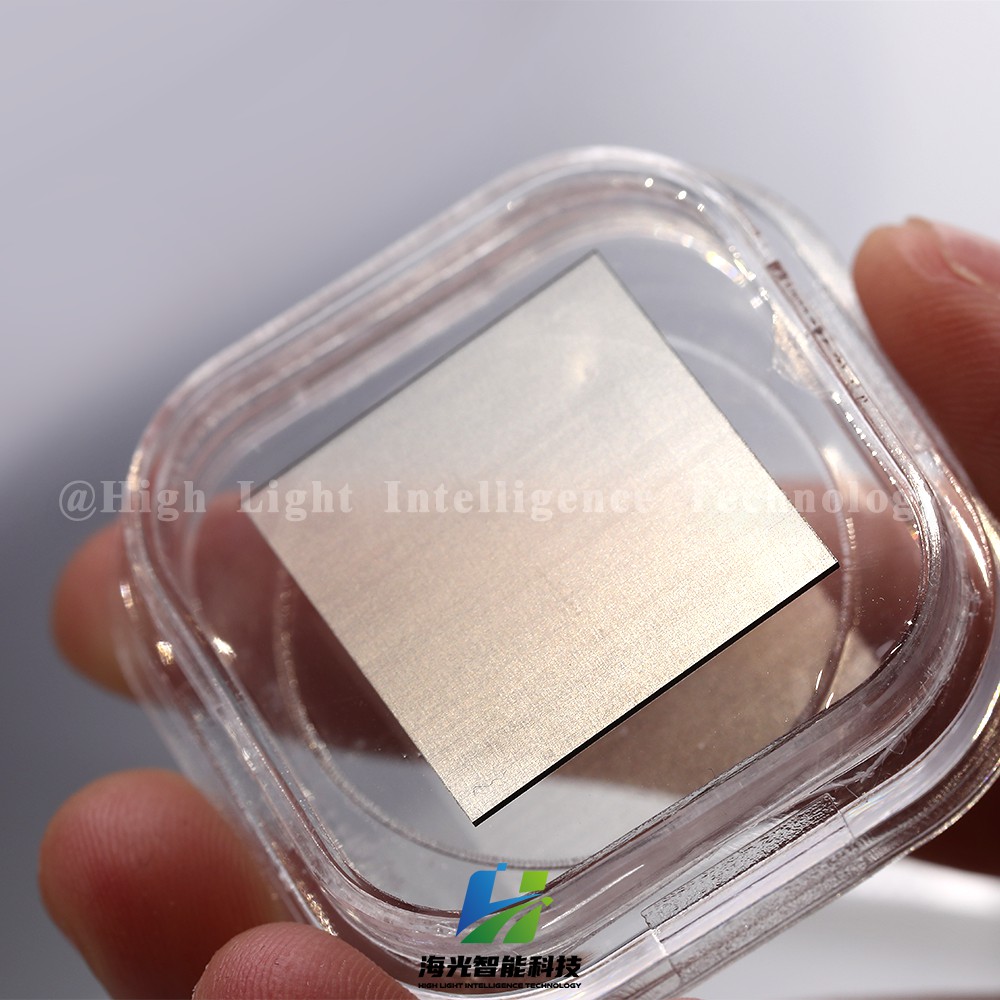
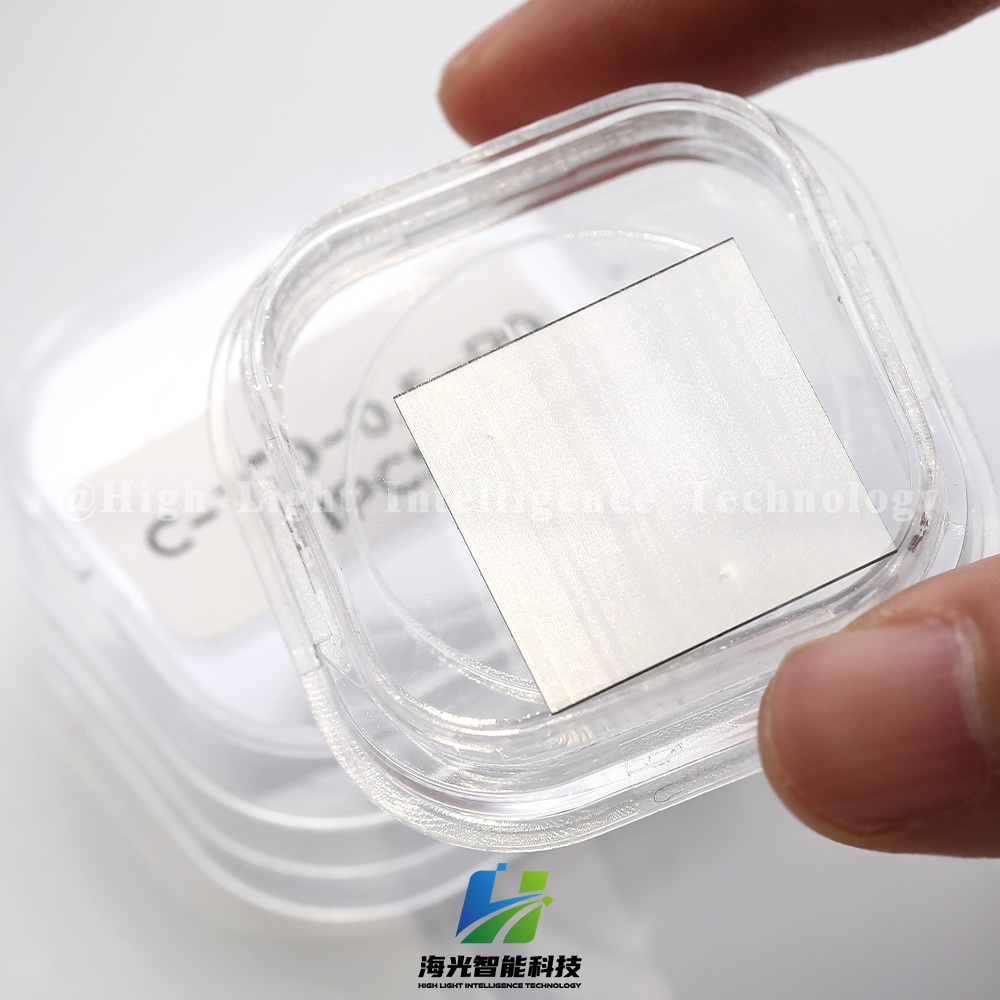
Diamond is known for its excellent insulation properties, with a breakdown electric field strength of up to 10 MV/cm, far exceeding silicon, SiC, and GaN. Even in thin sheet form, it maintains high insulation and high voltage resistance. In the field of 5G, diamond substrates, with their excellent thermal conductivity, help dissipate heat from high-power components, ensure stable operation, and meet the urgent need for efficient heat dissipation in 5G equipment. With the surge of 5G data, diamond substrates have become the key to solving the challenges of high frequency and high power density.
Compared with silicon-based technology, the combination of diamond with gallium nitride and silicon carbide can create high-performance power devices, which are widely used in fields such as electric vehicles, renewable energy, industrial drives, and high-power lasers, improving energy efficiency and extending equipment life. As an efficient radiator, it promotes the transition to clean energy and vehicle electrification, reduces energy loss, and improves system efficiency, especially suitable for space constrained scenarios such as electric vehicles.
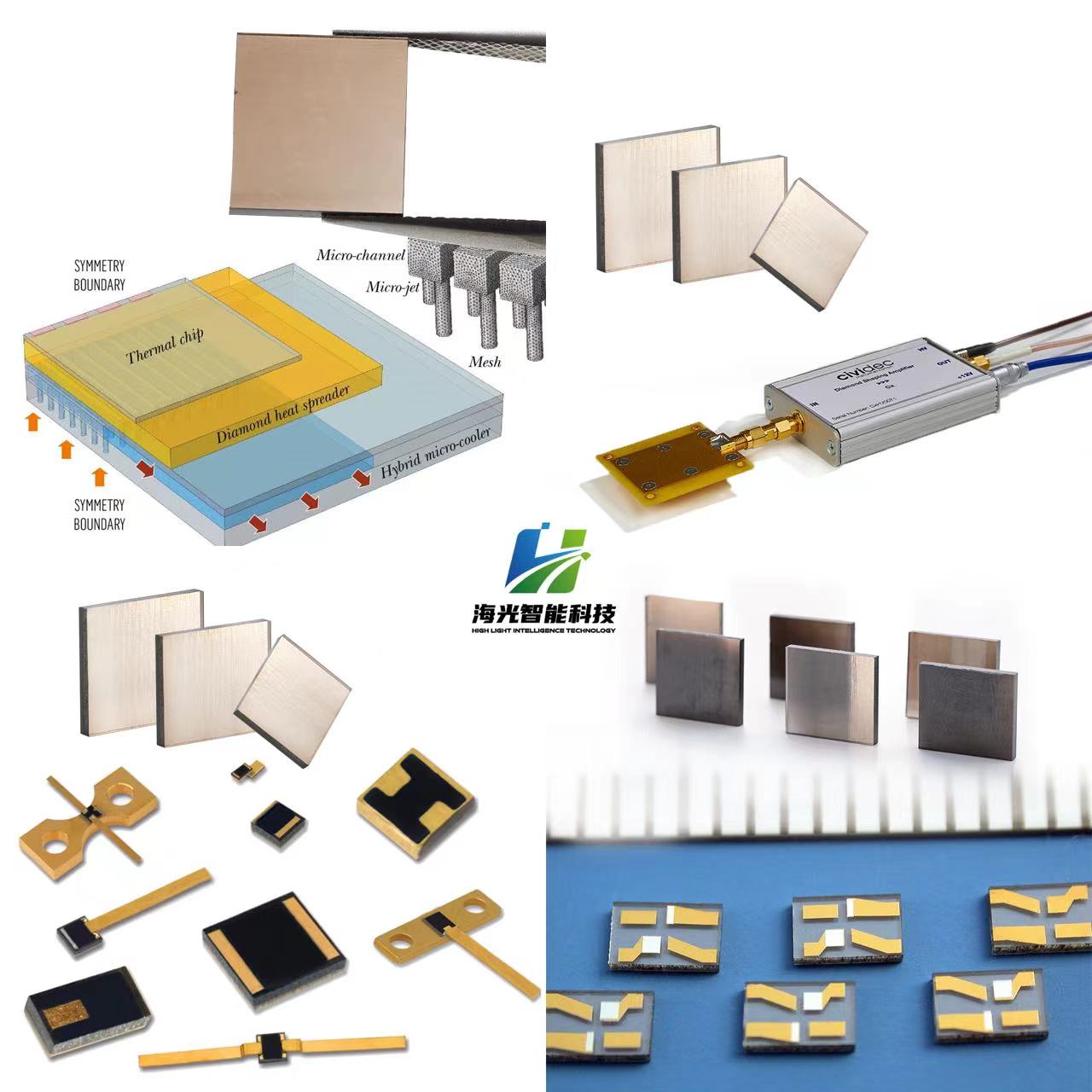
Market forecasts show that the global diamond semiconductor substrate market is growing rapidly, expected to reach 342 million US dollars by 2030, with a CAGR of 12.3%. The Asia Pacific region, especially China, Japan, and South Korea, will dominate the market due to strong demand for electronic semiconductors, contributing over 40% of global revenue.









-

Single-Crystal vs Polycrystalline CVD Diamond: Process Difference Lies in Growth Logic, Not Equipment
The process difference between single crystal and polycrystalline CVD diamond lies not in equipment, but in growth logic. Single crystal and polycrystalline CVD diamond are two functional new materials with completely independent growth mechanisms, lattice structures and performance systems. Their process logic, product features and application boundaries diverge fundamentally from the very start of deposition and growth. Comparing or selecting materials without considering their underlying crys
-
From Lab-Grown Diamonds to Industrial Diamonds: Is It Time to Build an MPCVD Factory?
The lab-grown diamond industry is entering a new stage. Over the these few years, lab-grown diamonds have gradually gained wider acceptance in the jewelry market. With the development of production technology, equipment maturity and supply chain improvement, the industry is becoming more standardized and efficient. But beyond jewelry, another opportunity is attracting more attention:Industrial diamond applications.
-
Diamond‑Copper Composite: A Next‑Generation Solution for High‑Power Electronics Thermal Management
Diamond‑copper composite (DC) is an advanced metal‑matrix composite material consisting of diamond particles as the reinforcement phase and copper as the matrix, fabricated through state‑of‑the‑art composite preparation techniques. Diamond has the highest thermal conductivity of any naturally occurring material, with isotropic values ranging from 1200 to 2300 W/m·K. Copper, with a thermal conductivity of 401 W/m·K, ranks second only to silver among common metals. By combining the two, the compo
-
Mosaic Single‑Crystal Diamond: Breaking Size Limits
With an ultra‑wide bandgap of 5.47 eV, ultra‑high thermal conductivity (>2000 W/m·K), high carrier mobility (electron mobility up to 4500 cm²·V⁻¹·s⁻¹), and ultra‑high theoretical breakdown field strength (>10 MV/cm), Single‑Crystal Diamond (SCD) is an ideal candidate for next‑generation high‑power, high‑frequency and extreme‑environment electronic devices. However, both natural diamond and HPHT‑synthesized single‑crystal diamond are limited in lateral size, which greatly hinders large‑scal