- 中文
- English
- Español
Why has rough diamond been out of stock recently?
2025-02-21 10:04:13
Click:
“
Recently, the diamond rough market has shown a shortage phenomenon, which is hidden behind multiple repeated and mixed factors. The changes in every link from upstream supply, midstream inventory to downstream demand have a profound impact on the supply of rough diamonds.
”
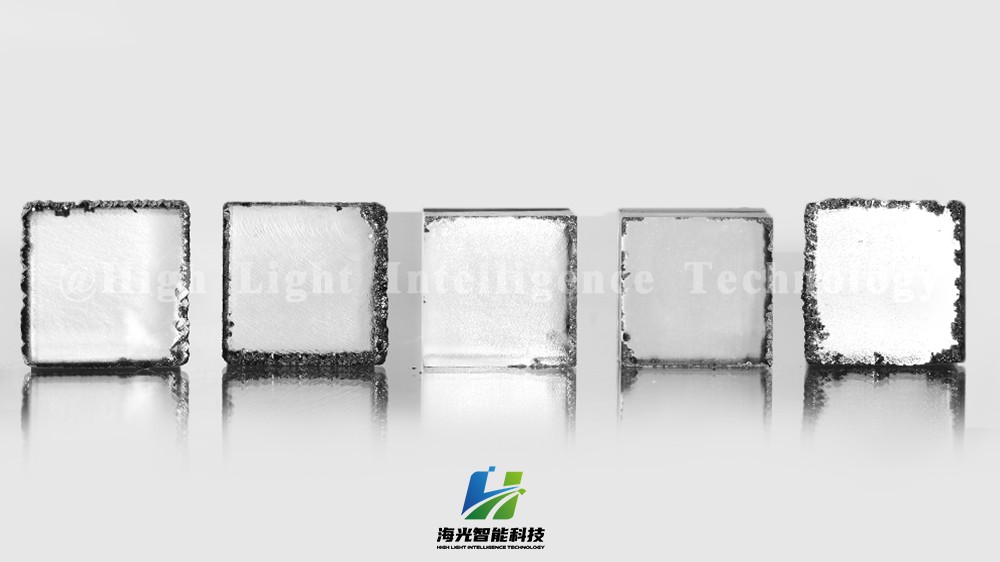
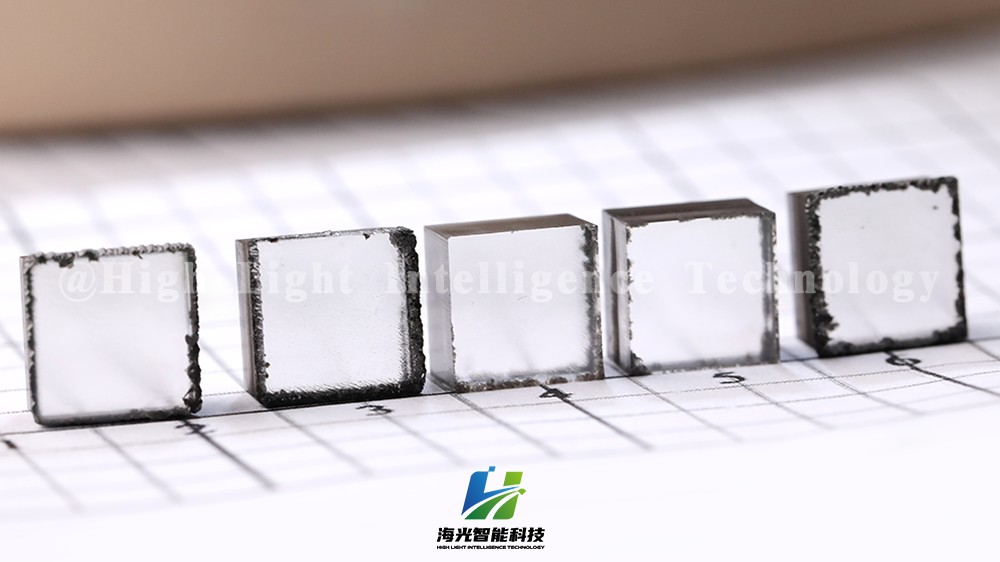

Secondly, the adjustment of midstream inventory structure is also one of the reasons for the shortage of rough diamonds. Due to a sharp decline in inventory, the price index of some weight and quality bare diamonds has increased. This may be due to various pressures in the midstream market that have reduced the procurement of rough diamonds. Meanwhile, changes in market preferences have also had an impact on inventory structure. The downstream market's preference for high-grade natural diamond products is gradually increasing, and retailers are more inclined to recommend high-grade natural diamonds. This may lead to the elimination of low-grade or heavily stocked rough diamonds from the market, exacerbating the shortage phenomenon.
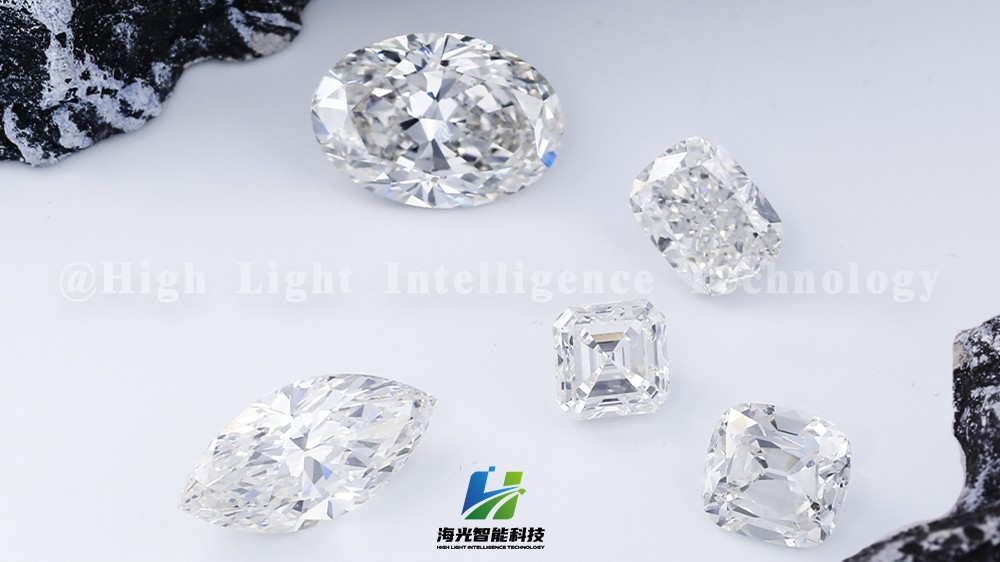
Finally, changes in downstream demand have also had an impact on the supply of rough diamonds. On the one hand, the market recovery after the epidemic is weak, and consumer demand for diamonds has not grown as rapidly as expected. The decline in demand in key markets such as China has had an impact on the import and procurement of rough diamonds. On the other hand, the shift in consumer preferences has also had an impact on the diamond rough market. As consumers' attention to environmental protection and sustainability increases, some consumers are turning to cultivating alternatives such as diamonds. This may have had a certain impact on the market demand for natural diamond rough, thereby exacerbating the shortage phenomenon.
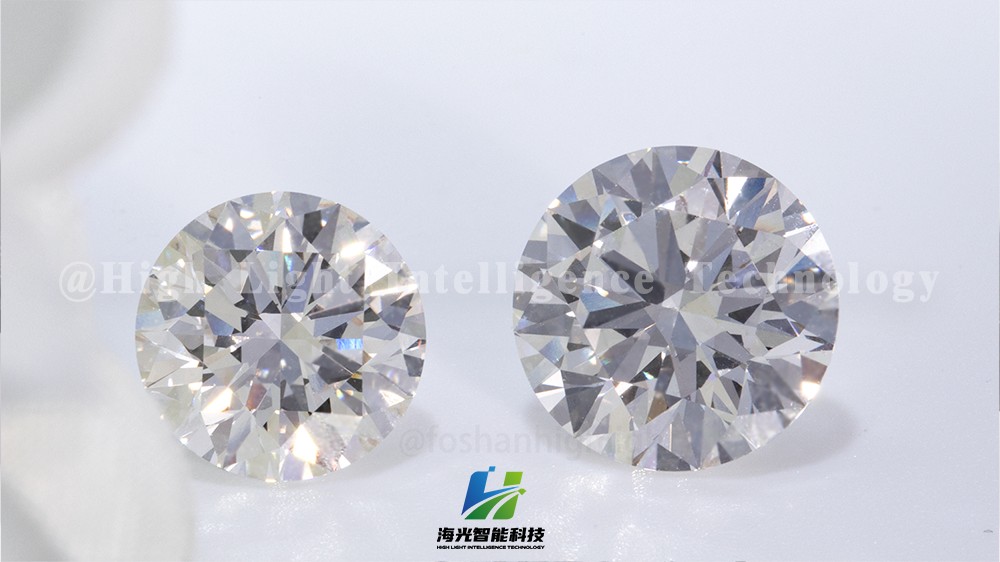
The shortage of rough diamonds is due to a decrease in upstream supply, inventory adjustments in the midstream, and changes in downstream demand. These factors are intertwined, leading to market difficulties. The diamond industry needs to actively respond by adjusting production plans, optimizing inventory, and expanding demand. The government and institutions should strengthen regulatory coordination to promote the healthy development of the industry.

*The articles and pictures are only for industry communication and sharing. If there is any infringement, please contact us to delete them.









-

Single-Crystal vs Polycrystalline CVD Diamond: Process Difference Lies in Growth Logic, Not Equipment
The process difference between single crystal and polycrystalline CVD diamond lies not in equipment, but in growth logic. Single crystal and polycrystalline CVD diamond are two functional new materials with completely independent growth mechanisms, lattice structures and performance systems. Their process logic, product features and application boundaries diverge fundamentally from the very start of deposition and growth. Comparing or selecting materials without considering their underlying crys
-
From Lab-Grown Diamonds to Industrial Diamonds: Is It Time to Build an MPCVD Factory?
The lab-grown diamond industry is entering a new stage. Over the these few years, lab-grown diamonds have gradually gained wider acceptance in the jewelry market. With the development of production technology, equipment maturity and supply chain improvement, the industry is becoming more standardized and efficient. But beyond jewelry, another opportunity is attracting more attention:Industrial diamond applications.
-
Diamond‑Copper Composite: A Next‑Generation Solution for High‑Power Electronics Thermal Management
Diamond‑copper composite (DC) is an advanced metal‑matrix composite material consisting of diamond particles as the reinforcement phase and copper as the matrix, fabricated through state‑of‑the‑art composite preparation techniques. Diamond has the highest thermal conductivity of any naturally occurring material, with isotropic values ranging from 1200 to 2300 W/m·K. Copper, with a thermal conductivity of 401 W/m·K, ranks second only to silver among common metals. By combining the two, the compo
-
Mosaic Single‑Crystal Diamond: Breaking Size Limits
With an ultra‑wide bandgap of 5.47 eV, ultra‑high thermal conductivity (>2000 W/m·K), high carrier mobility (electron mobility up to 4500 cm²·V⁻¹·s⁻¹), and ultra‑high theoretical breakdown field strength (>10 MV/cm), Single‑Crystal Diamond (SCD) is an ideal candidate for next‑generation high‑power, high‑frequency and extreme‑environment electronic devices. However, both natural diamond and HPHT‑synthesized single‑crystal diamond are limited in lateral size, which greatly hinders large‑scal