- 中文
- English
- Español
The meaning of diamond grading (Ⅱ)
2023-04-04 00:00:00
Click:
“
The diamond evaluation system and grading standards are gradually produced, deve
”
The diamond evaluation system and grading standards are gradually produced, developed and improved with the development of the diamond trade, which greatly promotes the standardization and internationalization of the diamond trade.
(1) Clarity
Clarity and its grade are used to describe the degree of internal and external flaws in a diamond. For diamonds with high clarity grades, such as diamonds above VS, the tiny inclusions or tiny blemishes on the surface will not affect the beauty and durability of the diamond.
In diamonds with low clarity grades, imperfections can affect the beauty and durability of the diamond. The higher the clarity grade, the rarer the diamond. Therefore, the level of diamond clarity grade is not only an evaluation of the beauty of diamonds, but also contains the meaning of rarity comparison.
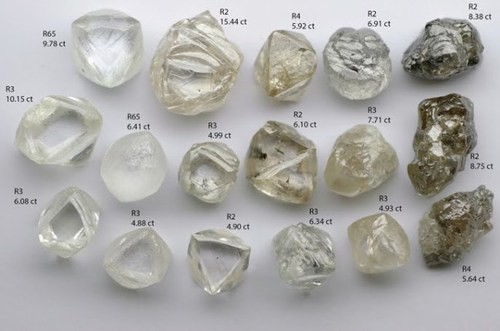
The "4Cs" of diamond grading are generally colorless series diamonds with shades of yellow, brown and gray. Among them, good color refers to colorless, that is, a colorless and transparent diamond without any hue.
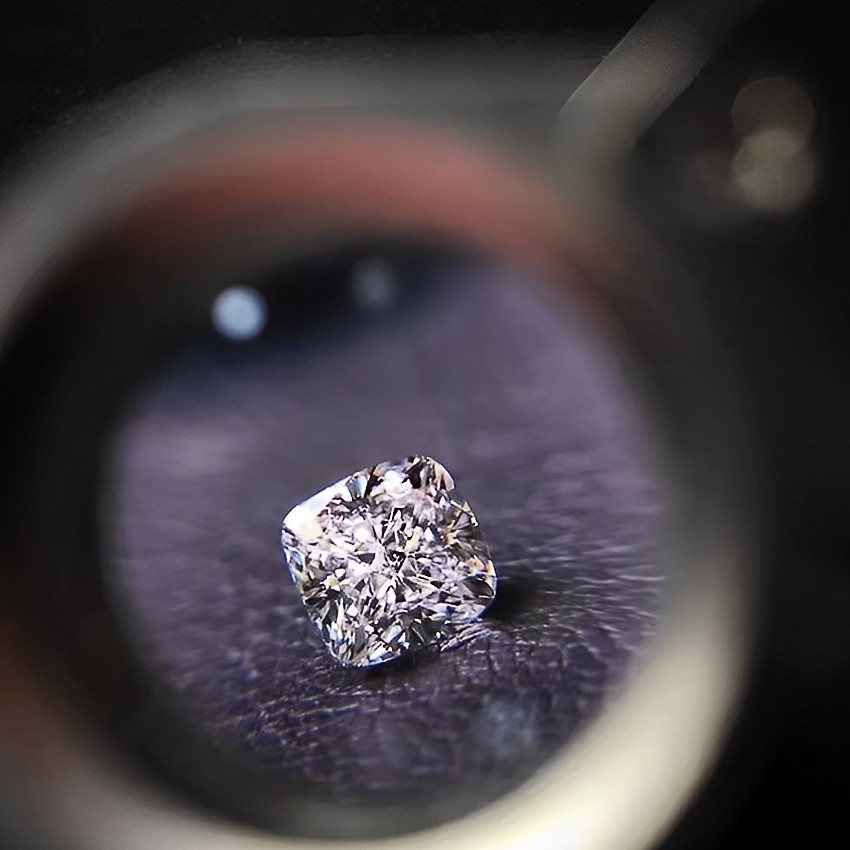
A diamond is a pleasing colored diamond if its color is very intense and vivid. Natural colored diamonds are rarer than colorless diamonds. The color of colored diamonds has both beauty and rarity significance.
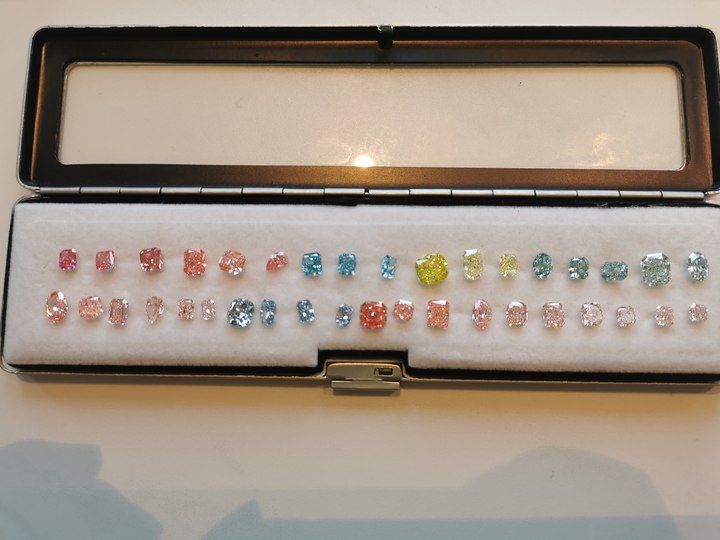
The evaluation of colored series diamonds adopts another special method. The value of colored diamonds is mainly determined by the type of color, hue, brightness and saturation of the color.
(2) cut
Diamond cut evaluation is a comprehensive summary of the cut characteristics and cut quality of finished diamonds, and it is also the final test of the diamond cutting process level.
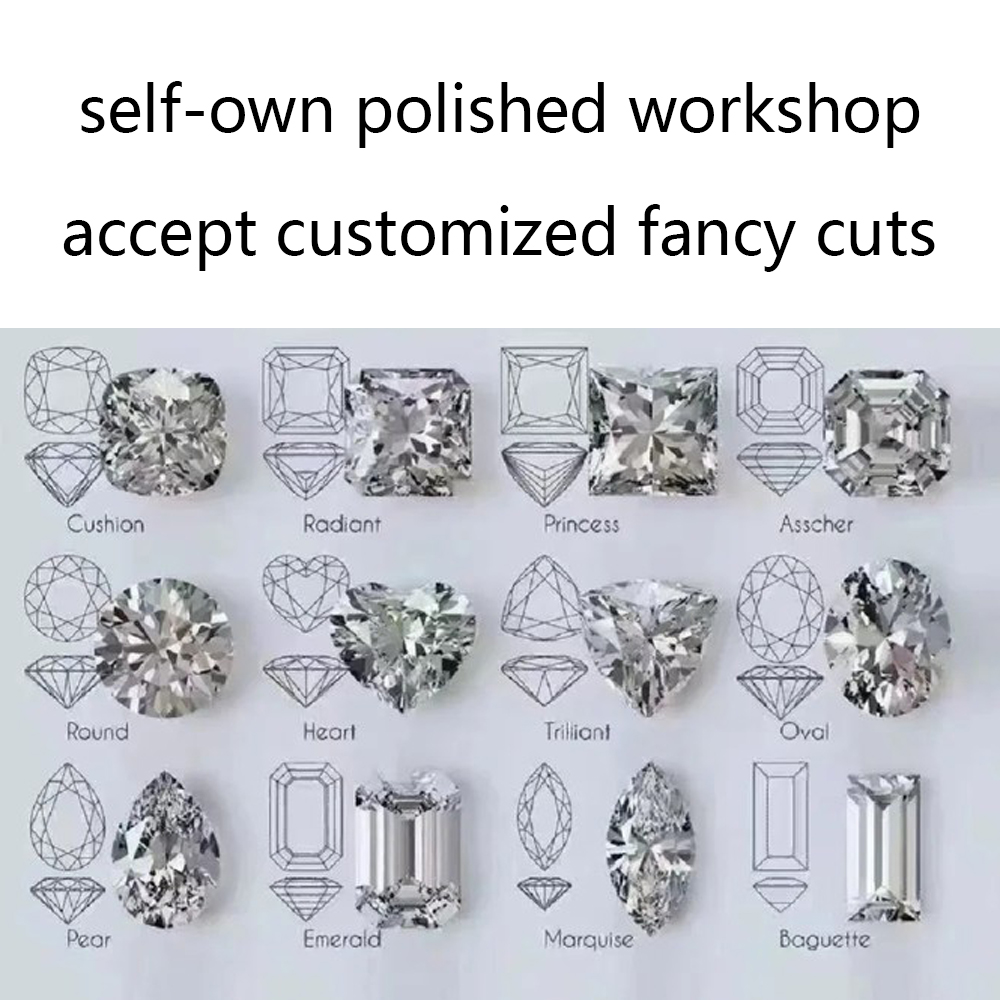
The three evaluation elements of weight, clarity and color are determined by the natural properties of the diamond, while the cut evaluation is to a greater extent the evaluation of the diamond's cutting process and final effect.
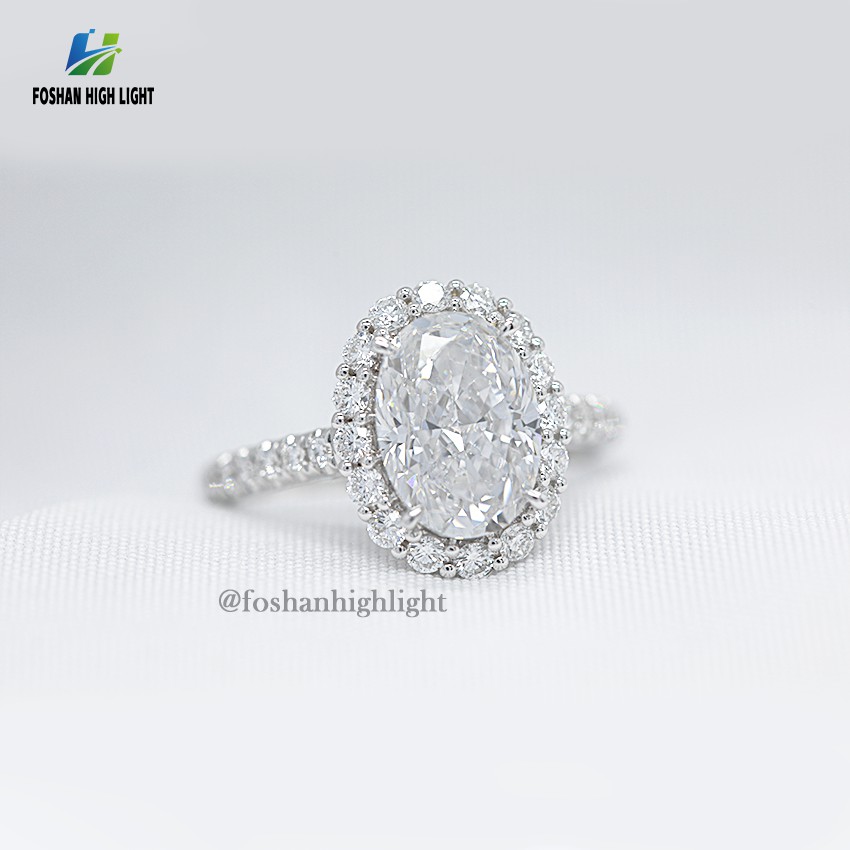
Before cutting and grinding, it is necessary to carefully study the quality of rough diamonds, and design based on comprehensive consideration of various factors, so as to maximize the final value of finished diamonds after cutting and grinding. The quality of diamond cutting is closely related to the level of cutting craftsmanship of the cutter. The quality of cutting directly affects the beauty of diamonds and ultimately affects the value of diamonds.
Cut evaluation involves many factors such as diamond cut shape, facet distribution, facet size and relative proportion, angle, symmetry, polishing degree, etc. Among them, the part with the most relative differences.
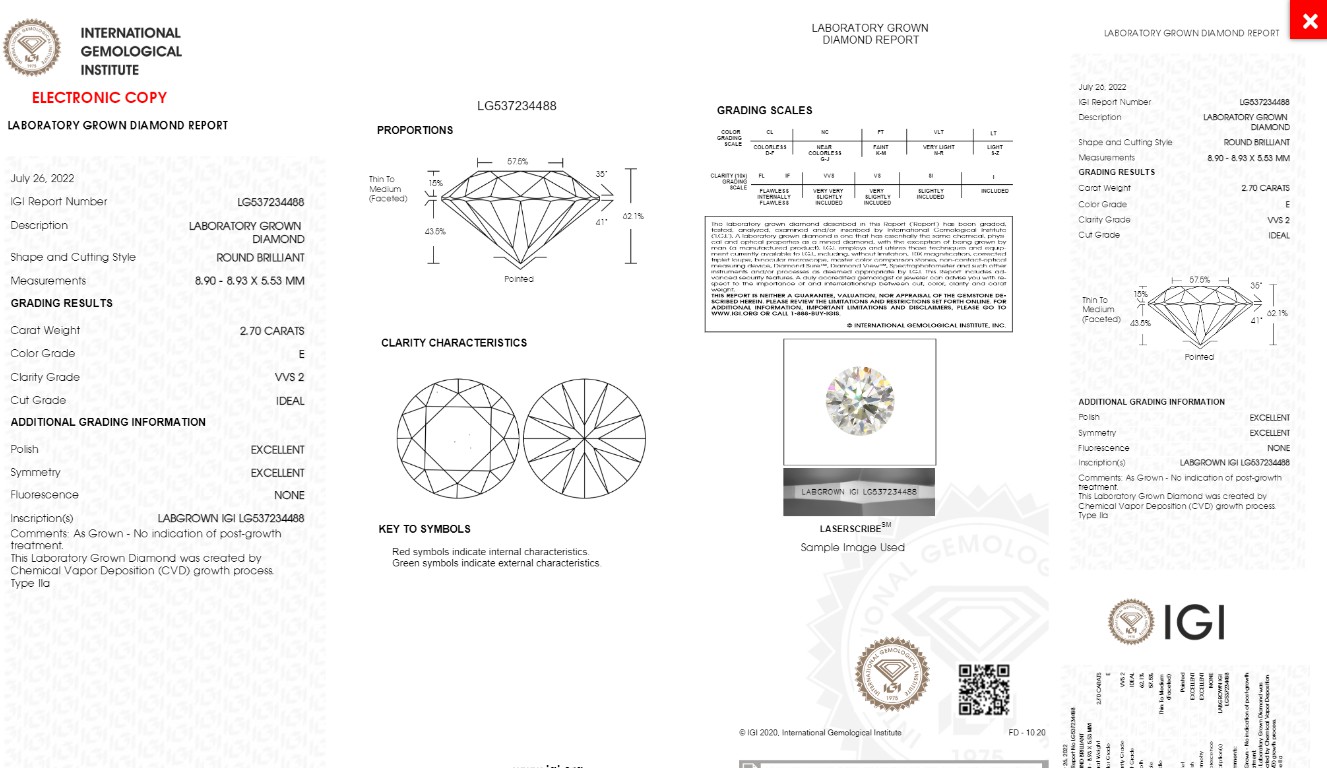
The concept of "4C" grading of diamonds has been widely recognized and accepted by the jewelry industry, and a practical technique for evaluating diamond quality based on the "4C" grading standards has been formed. The basically consistent grading standards and relatively uniform quality terms make each The "4C" grading certificate of Zhang Diamond can be recognized by professionals all over the world. The diamond "4C" grading certificate issued by an authoritative organization is recognized by the jewelry industry all over the world. The universality of "4C" grading makes the certificate an important tool for diamond business.
The diamond evaluation system and grading standards are gradually produced, developed and improved with the development of the diamond trade, which greatly promotes the standardization and internationalization of the diamond trade. Its significance is not only to enhance the confidence of mass buyers, but more importantly, it can ensure that the diamond quality and diamond value will not deviate during the transaction process, which is conducive to the stable and orderly sustainable development of the diamond market. The promotion and application of diamond grading standards have played a very important role in the steady development of the global diamond trade market in the past century.









-

Foshan Highlight Intelligent Technology invites you to the 140th Canton Fair—join us at Booth 21.2A23-24 in the Friendship Hall to share in the brilliance.
Foshan Highlight Intelligent Technology invites you to the 140th Canton Fair—join us at Booth 21.2A23-24 in the Friendship Hall to share in the brilliance.
-
CVD Single-Crystal Diamonds: An Analysis of the Complete Processing Workflow from Gas-Phase Deposition to Finished Diamond Chips
MPCVD (Microwave Plasma Chemical Vapor Deposition) technology is currently the core process for producing high-quality single-crystal diamond s. Thanks to its advantages of low defect rates, high purity, and controllable large dimensions, it is widely used in fields such as semiconductor heat dissipation, precision optics, and high-end sensors. The final quality of single-crystal diamond s depends on comprehensive process control throughout the entire workflow—from vapor deposition growth to pos
-
Single-Crystal or Polycrystalline Diamond — Which Has Greater Potential?
As diamond continues to enter industries such as semiconductors, thermal management, optics, high-power electronics, and precision machining, the requirements for diamond materials are also evolving.
-
Diamond Polishing and Grinding Processes: Core Challenges and Industry Hurdles
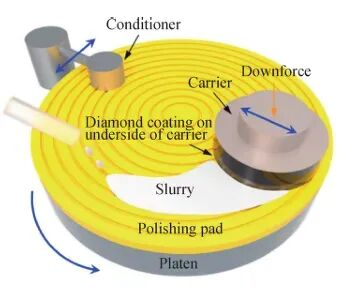
Diamond is often hailed as the “ultimate material” – ranking 10 on the Mohs hardness scale, boasting an ultra‑high thermal conductivity (~2,200 W/(m·K)), excellent chemical stability, and broad optical transparency. These properties make it irreplaceable in cutting‑edge applications such as semiconductor heat dissipation, high‑end optics, and quantum chips. Yet the paradox of “good materials are hard to process” is nowhere more evident than in diamond. From rough grinding for planarization to at