- 中文
- English
- Español
Foshan High Light "Chemical Vapor Deposition Equipment" Appearance Patent
2023-07-17 11:26:05
Click:
“
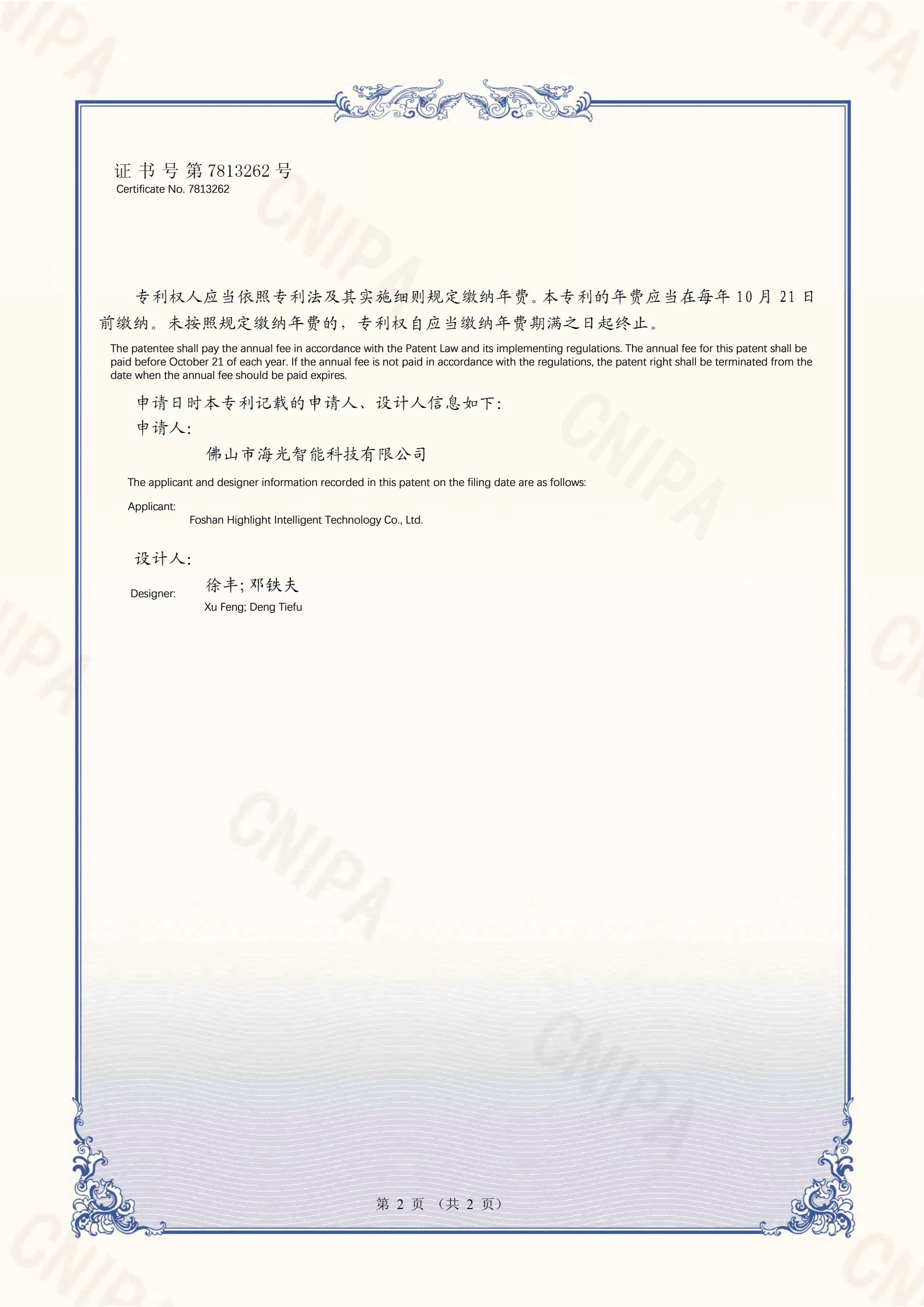
Foshan High Light Intelligent Technology Co., Ltd. has independently developed and sold MPCVD (microwave plasma chemical vapor deposition) diamond machines for more than a year, and as early as October 2022, our MPCVD equipment applied for the "Appearance Design patent certificate".
”
Foshan High Light Intelligent Technology Co., Ltd. has independently developed and sold MPCVD (microwave plasma chemical vapor deposition) diamond machines for more than a year, and as early as October 2022, our MPCVD equipment applied for the "Appearance Design patent certificate".
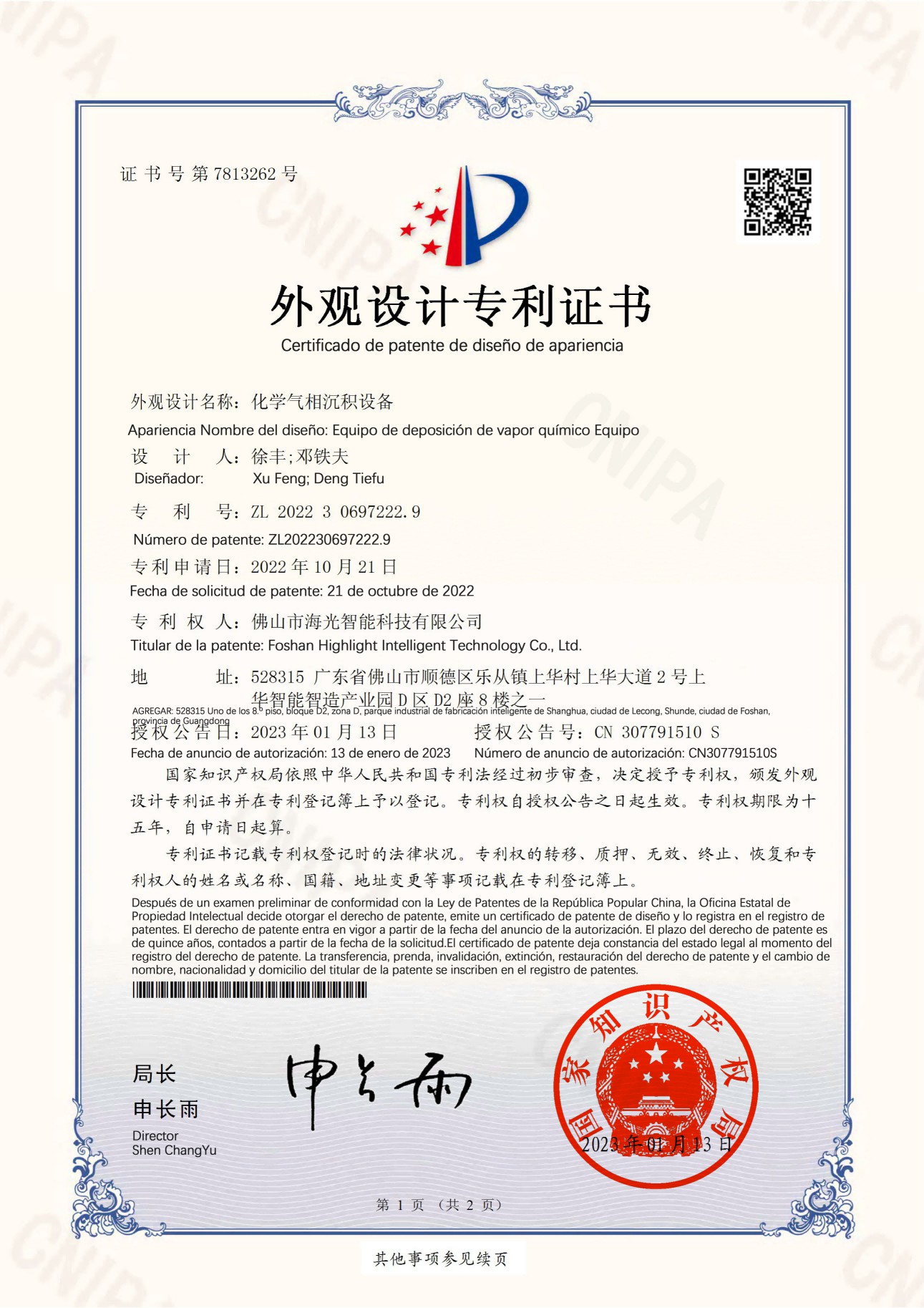
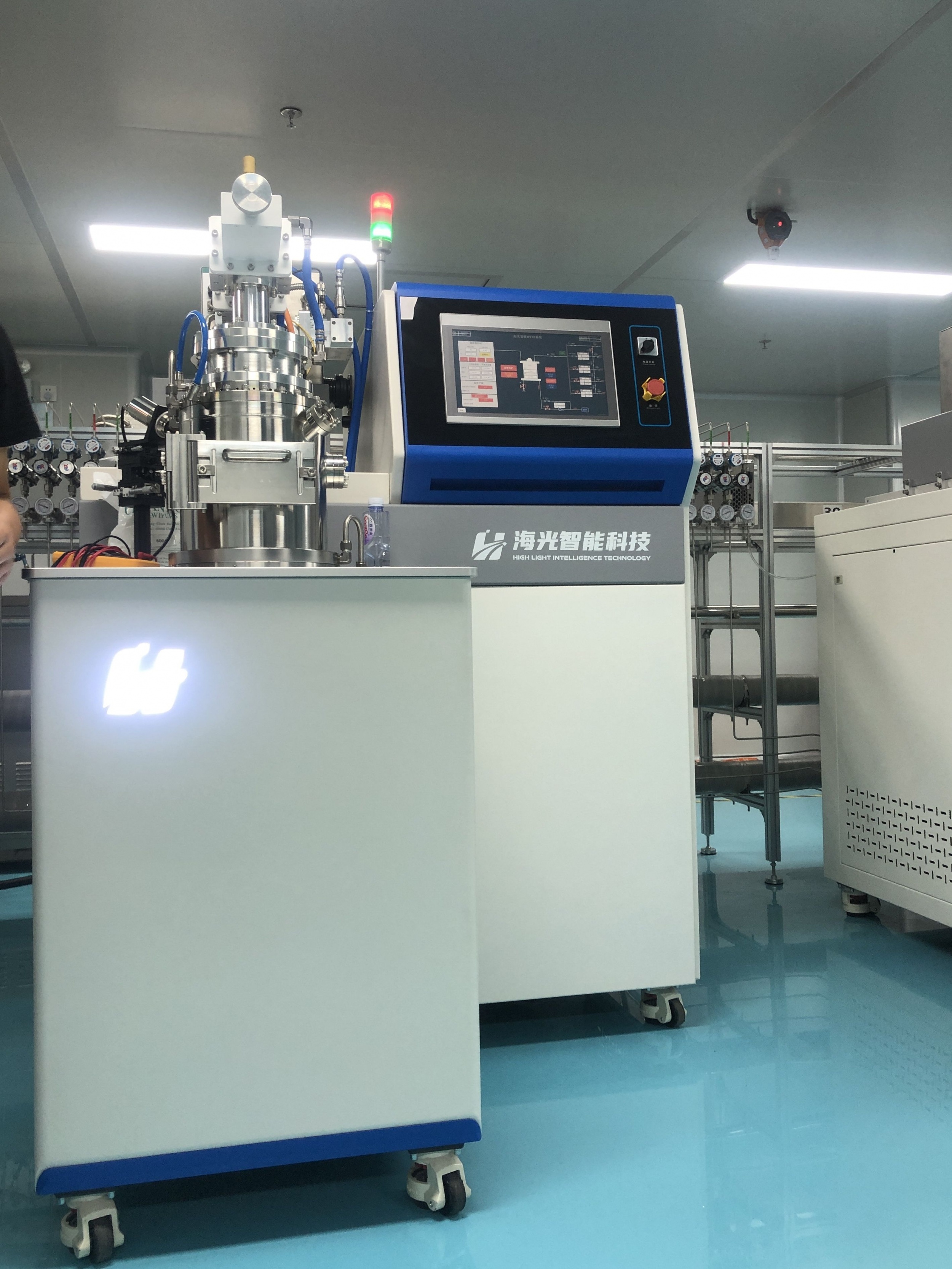
The appearance of our MPCVD diamond machine is clean and tidy, and it is the design that takes both appearance and practicality into account in this type of large-scale equipment. Over the past year,our diamond machine customers are very satisfied with the appearance and practicality of our MPCVD diamond machines.
The front of the machine has the words "Foshan High Light Intelligent Technology" and our company's logo icon, and the logo has a luminous effect when it is powered on. On the one hand, it looks beautiful, and on the other hand, it can remind that the machine is powered on.
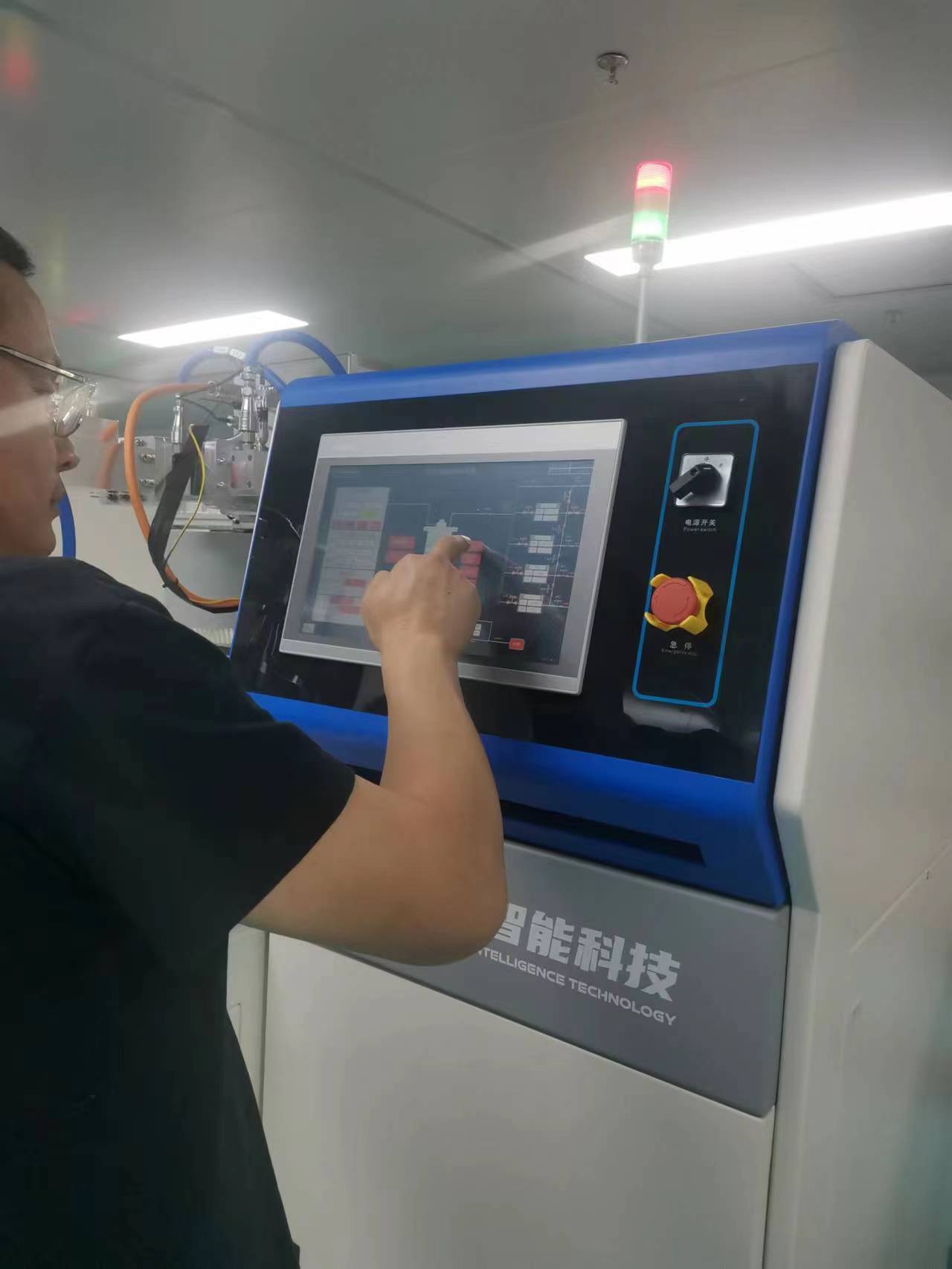
The control panel of the machine is about 1.6m high and has a tilt angle of about 30°, which is convenient for technicians to watch and operate while standing and operating.
The height of the growing chamber is about 1.4m, and it is exactly the same height as the crank arms when standing and observing the operation.
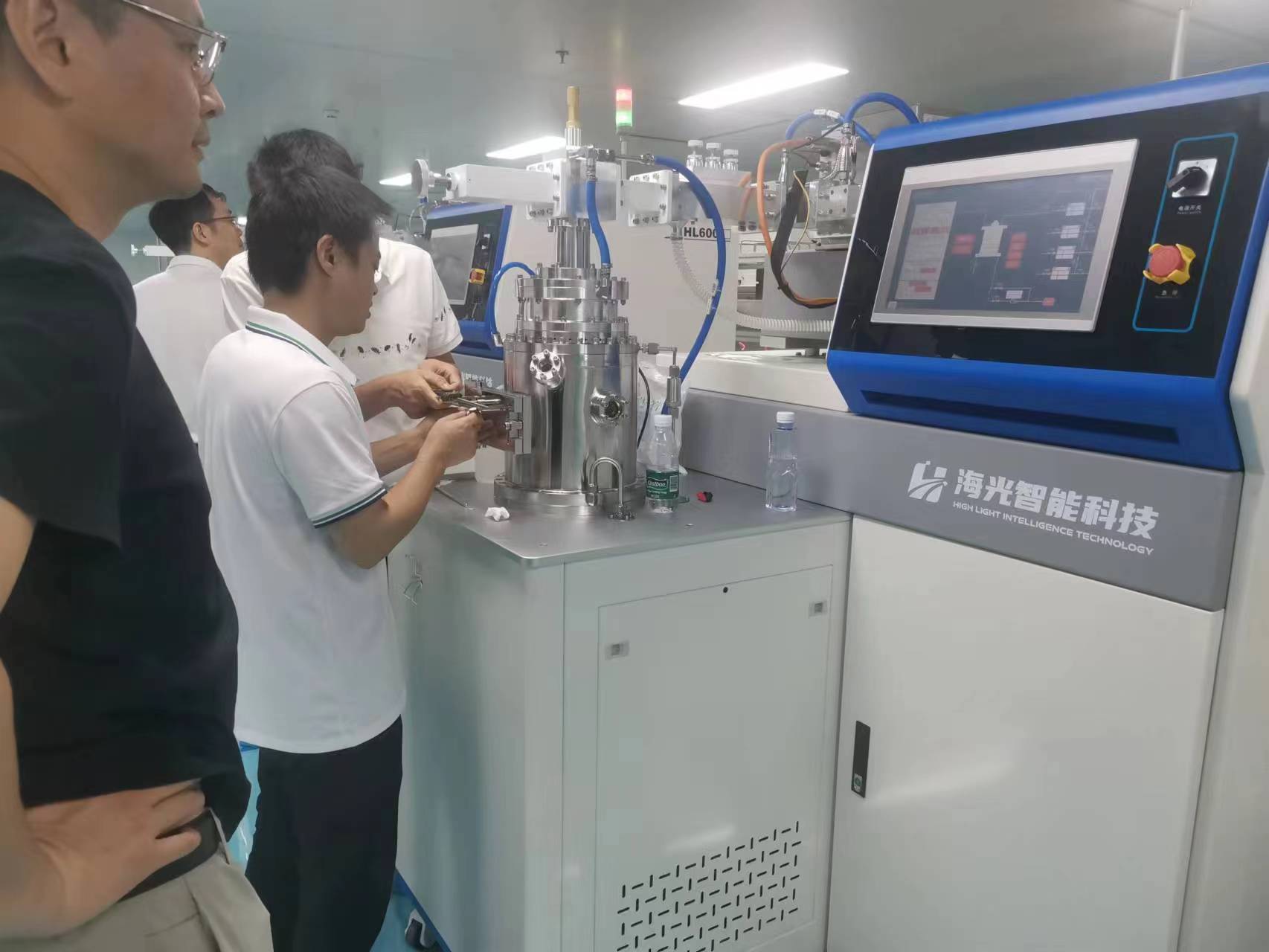
There are open and close cabinet doors around the machine, which is convenient to check the internal circuit and gas circuit of the machine. Usually, the cabinet door is closed, and the machine looks clean and tidy. The cabinet doors also prevent the operator from accidentally getting into the circuit and gas route when passing by, improving the safety of the entire workshop.









Your liking is the energy that I insist on writing
YouArticle
已有23人推荐
-

Single-Crystal vs Polycrystalline CVD Diamond: Process Difference Lies in Growth Logic, Not Equipment
The process difference between single crystal and polycrystalline CVD diamond lies not in equipment, but in growth logic. Single crystal and polycrystalline CVD diamond are two functional new materials with completely independent growth mechanisms, lattice structures and performance systems. Their process logic, product features and application boundaries diverge fundamentally from the very start of deposition and growth. Comparing or selecting materials without considering their underlying crys
-
From Lab-Grown Diamonds to Industrial Diamonds: Is It Time to Build an MPCVD Factory?
The lab-grown diamond industry is entering a new stage. Over the these few years, lab-grown diamonds have gradually gained wider acceptance in the jewelry market. With the development of production technology, equipment maturity and supply chain improvement, the industry is becoming more standardized and efficient. But beyond jewelry, another opportunity is attracting more attention:Industrial diamond applications.
-
Diamond‑Copper Composite: A Next‑Generation Solution for High‑Power Electronics Thermal Management
Diamond‑copper composite (DC) is an advanced metal‑matrix composite material consisting of diamond particles as the reinforcement phase and copper as the matrix, fabricated through state‑of‑the‑art composite preparation techniques. Diamond has the highest thermal conductivity of any naturally occurring material, with isotropic values ranging from 1200 to 2300 W/m·K. Copper, with a thermal conductivity of 401 W/m·K, ranks second only to silver among common metals. By combining the two, the compo
-
Mosaic Single‑Crystal Diamond: Breaking Size Limits
With an ultra‑wide bandgap of 5.47 eV, ultra‑high thermal conductivity (>2000 W/m·K), high carrier mobility (electron mobility up to 4500 cm²·V⁻¹·s⁻¹), and ultra‑high theoretical breakdown field strength (>10 MV/cm), Single‑Crystal Diamond (SCD) is an ideal candidate for next‑generation high‑power, high‑frequency and extreme‑environment electronic devices. However, both natural diamond and HPHT‑synthesized single‑crystal diamond are limited in lateral size, which greatly hinders large‑scal