- 中文
- English
- Español
How GIA identifies lab-grown diamonds
2023-12-01 09:50:07
Click:
“
Over the past decade, lab-grown diamonds have grown in popularity, increasing in size and improving in color and clarity, filling an important gap in the industry. We’re already seeing larger, higher-quality lab-grown diamonds than ever before
”
Over the past decade, lab-grown diamonds have grown in popularity, increasing in size and improving in color and clarity, filling an important gap in the industry. We are already seeing larger, higher-quality lab-grown diamonds than ever before, and they are already recognized by the market and many diamond grading agencies.
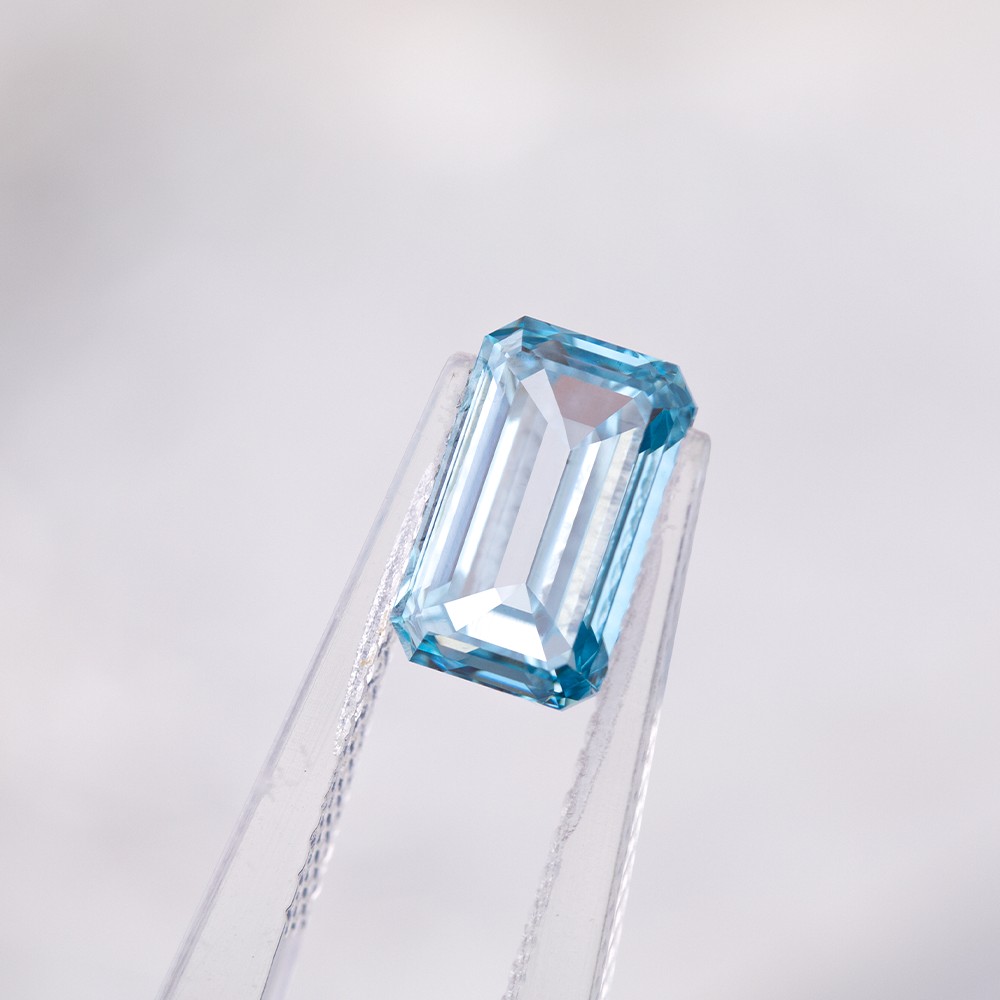
GIA (Gemological Institute of America) is one of the most authoritative diamond appraisal organizations in the world. Its appraisal standards for cultivated diamonds mainly rely on the following aspects:
Crystal inclusions: These are small particles of gas, liquid or solid trapped in diamond crystals. Natural diamonds usually have some crystalline inclusions, but in lab-grown diamonds these inclusions are usually more finely controlled. Therefore, GIA examines these inclusions to determine whether a diamond is lab-grown.
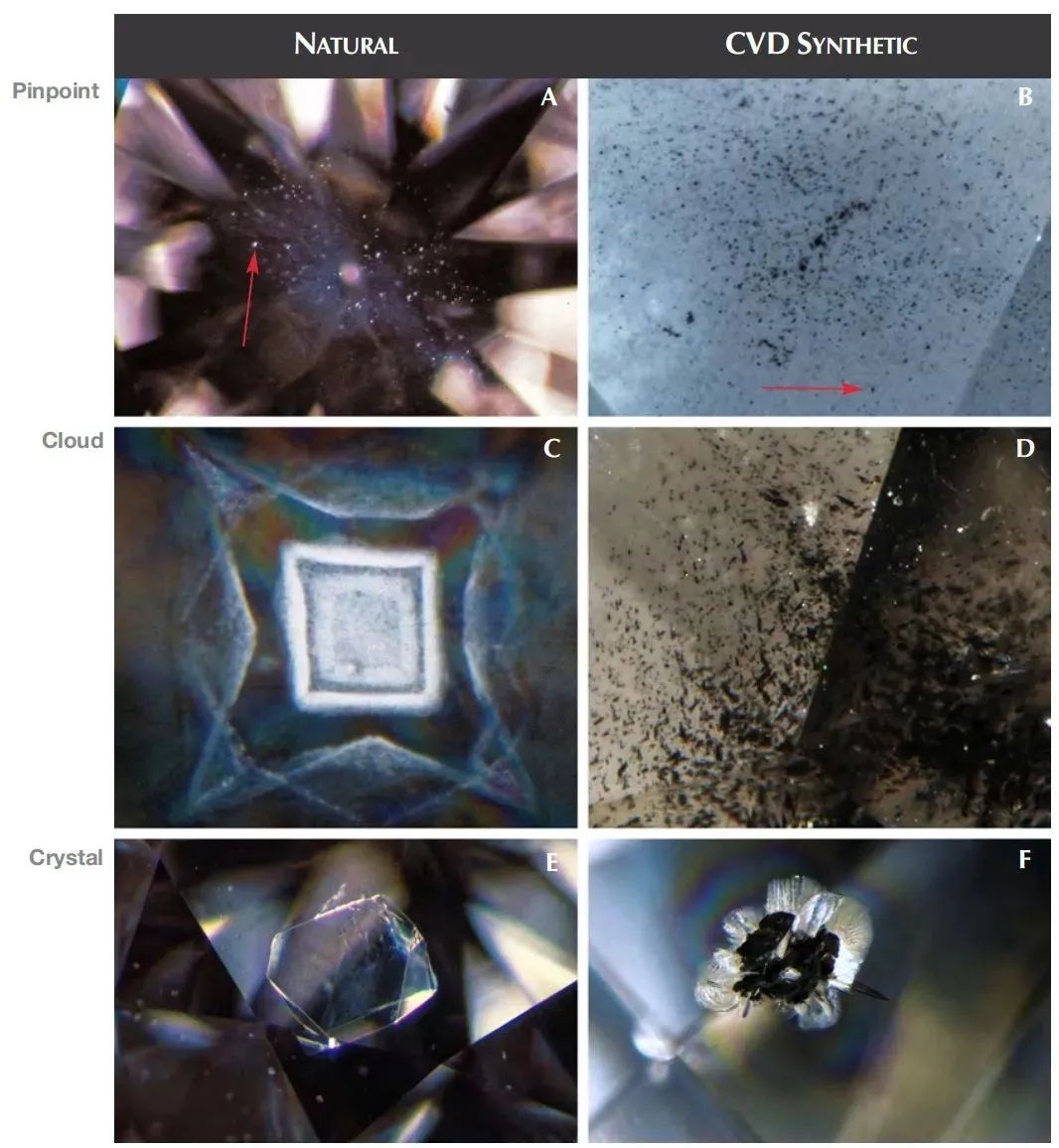
As shown in the figure, the left column is a natural diamond, and the right column is a cultivated diamond produced by the CVD chemical vapor deposition method. There are needle-shaped, cloud-shaped and crystal-shaped mineral inclusions in natural diamonds, while the inclusions of cultivated diamonds are related to their synthesis environment. , mostly showing dust and metal inclusions.
Texture: This refers to the characteristics of a diamond’s surface. In lab-grown diamonds, the texture may differ from natural diamonds due to differences in the growth environment. GIA carefully looks at a diamond's surface features to determine whether it is a lab-grown diamond.
培育钻与天然钻
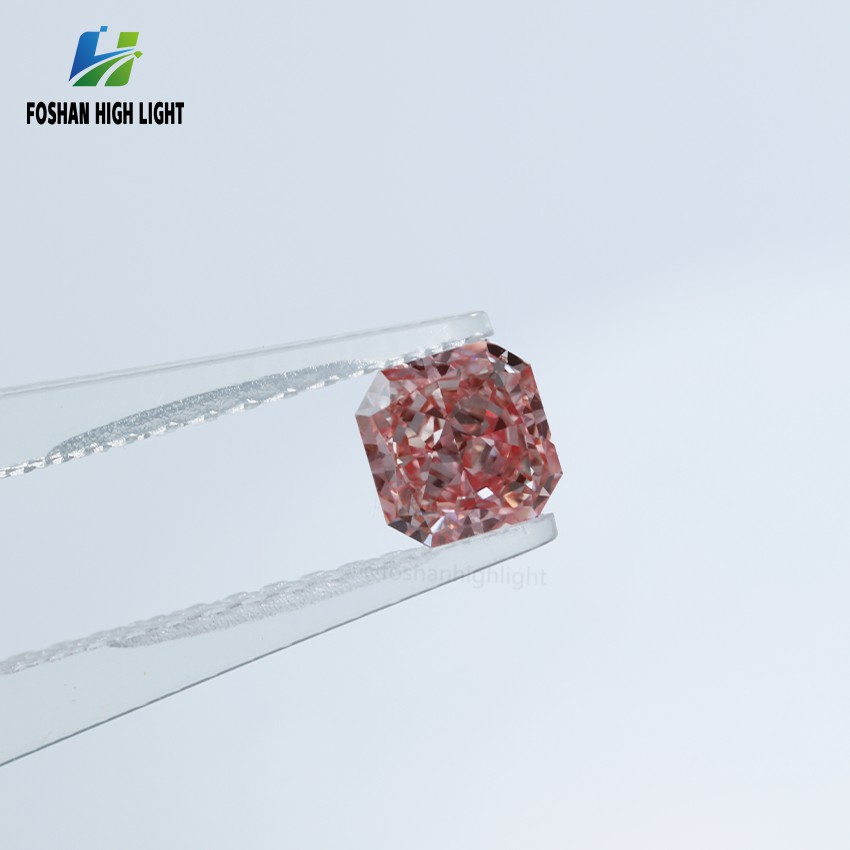
The main difference between GIA certified lab-grown diamonds and natural diamonds is their origin and how they are formed. Here's a simple comparison:
Source: Lab-grown diamonds are created in a laboratory environment by simulating the formation conditions of natural diamonds, which are naturally formed deep in the earth after billions of years of high temperature and pressure.
Formation time: The formation time of lab-grown diamonds is much shorter than that of natural diamonds, usually only a few weeks or months; while natural diamonds take billions of years to form.
Purity and Imperfections: Because a laboratory environment can more precisely control the diamond's formation process, lab-grown diamonds generally have higher purity and fewer defects; natural diamonds may contain some impurities or defects.
It should be noted that although there are differences in the origin and formation of the two, in terms of physical and chemical properties, they are both real diamonds with the same hardness and scintillation. In addition, GIA’s grading process ensures consumers have an accurate understanding of the type and quality of the diamond they are purchasing.

To protect consumers and help them know exactly what they are buying, GIA has developed advanced technology to differentiate between lab-grown and natural diamonds. Here's how the identification and analysis process works from start to finish:
When a gemstone is first submitted, no assumptions are made and no possibilities are excluded based on its visual appearance. What looks like a diamond may actually be an imitation, such as cubic zirconia (CZ) or moissanite. Instead, gemologists rely on scientific measurements (such as a gemstone's refractive index, density, spectroscopy, etc.) to determine its identity. If a stone is identified as a diamond, it will be tested to verify whether it is natural, treated, or lab-created.
Lab-grown diamonds often have unique characteristics, such as graphite or metallic inclusions (depending on the growth method), color fields or grain patterns visible under magnification. For example, the presence of nickel or other metals in a diamond and the lack of "natural" characteristics indicate that the diamond is likely a high-temperature and pressure-grown diamond. This is because HPHT diamonds often contain dark flux metal inclusions from the chamber used in their growth process. CVD diamonds, on the other hand, often contain dark graphite inclusions. These characteristics can indicate a diamond's identity to scientists, but are not always conclusive.
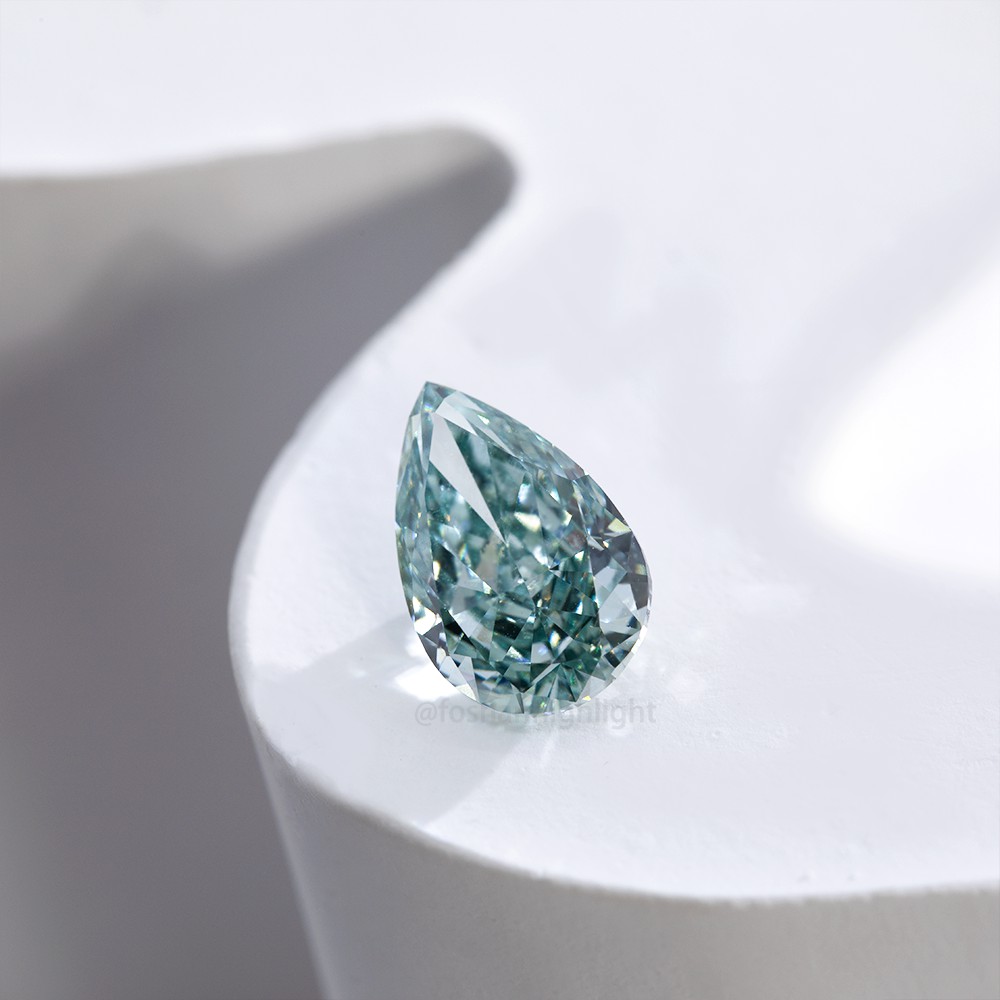
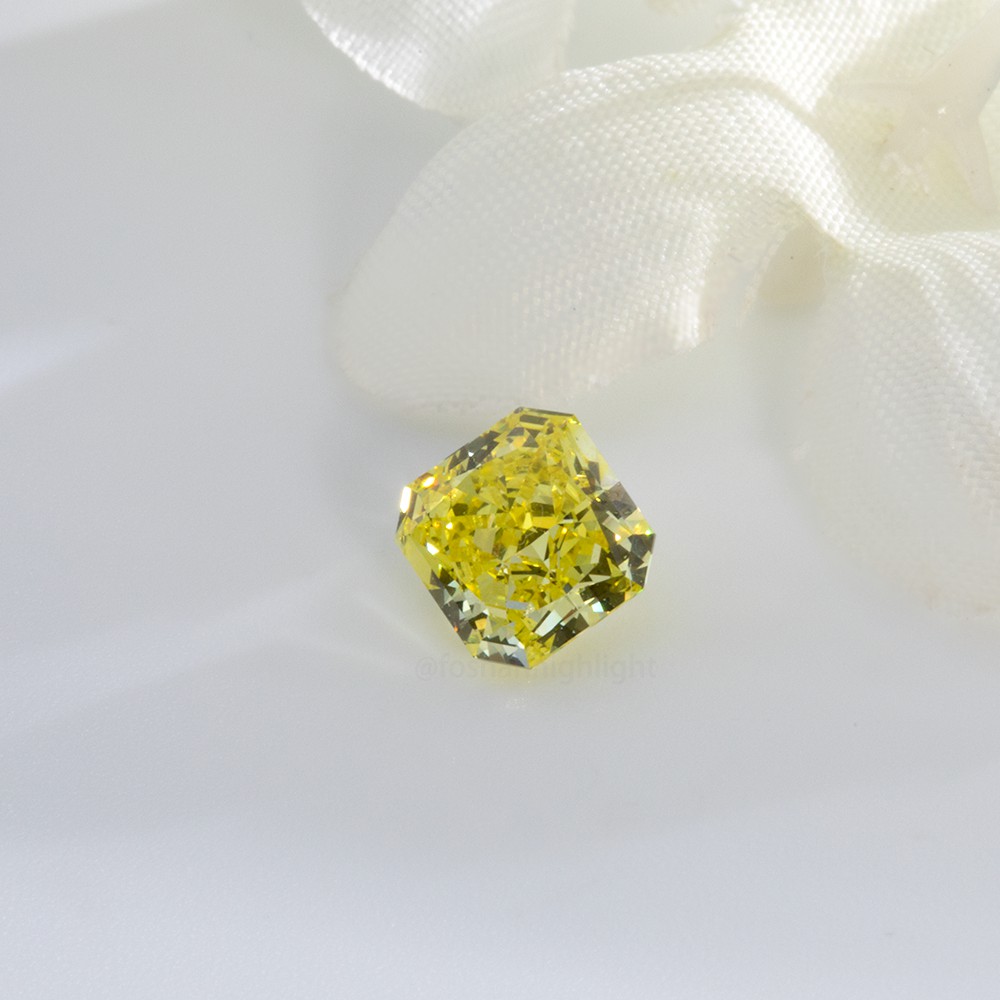
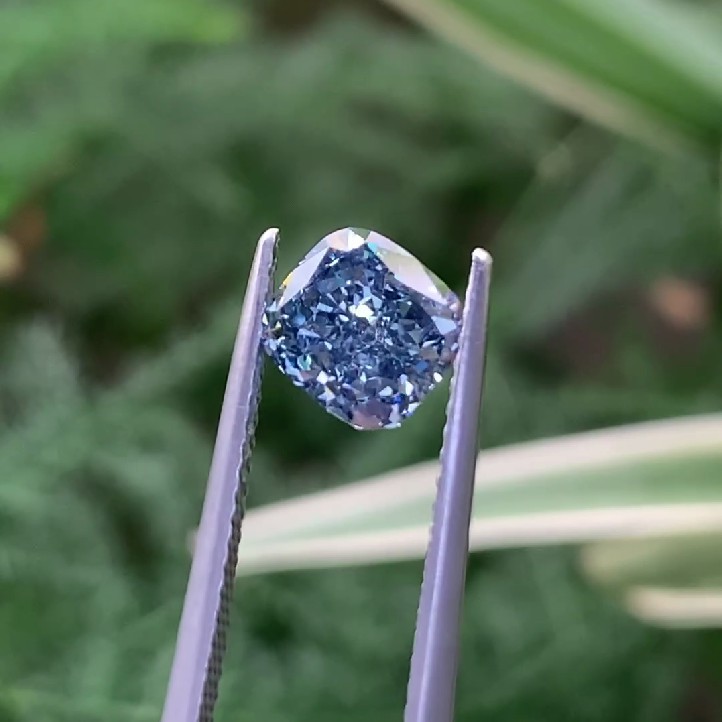
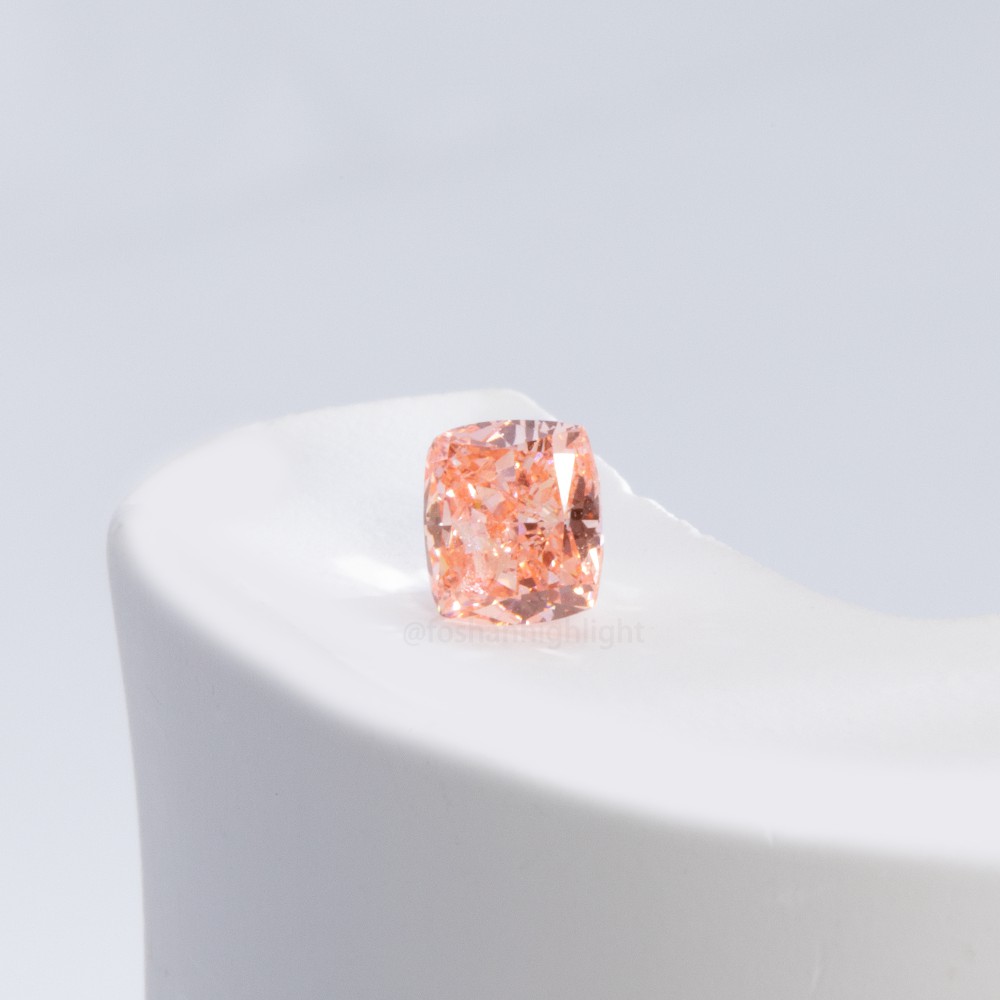
Fluorescence phenomenon is another powerful means. Natural diamonds mostly show blue and a small amount of yellow fluorescence under long ultraviolet irradiation, while there is no or weak blue and yellow fluorescence under short ultraviolet rays, and the fluorescence effect is uniform. Or uneven band-like distribution; on the contrary, the fluorescence of cultivated diamonds is inert fluorescence under long-wave ultraviolet irradiation, and it emits strong yellow-green fluorescence under short-wave ultraviolet irradiation, and the fluorescence intensity of short ultraviolet rays is stronger than that of long ultraviolet rays. The fluorescence intensity.
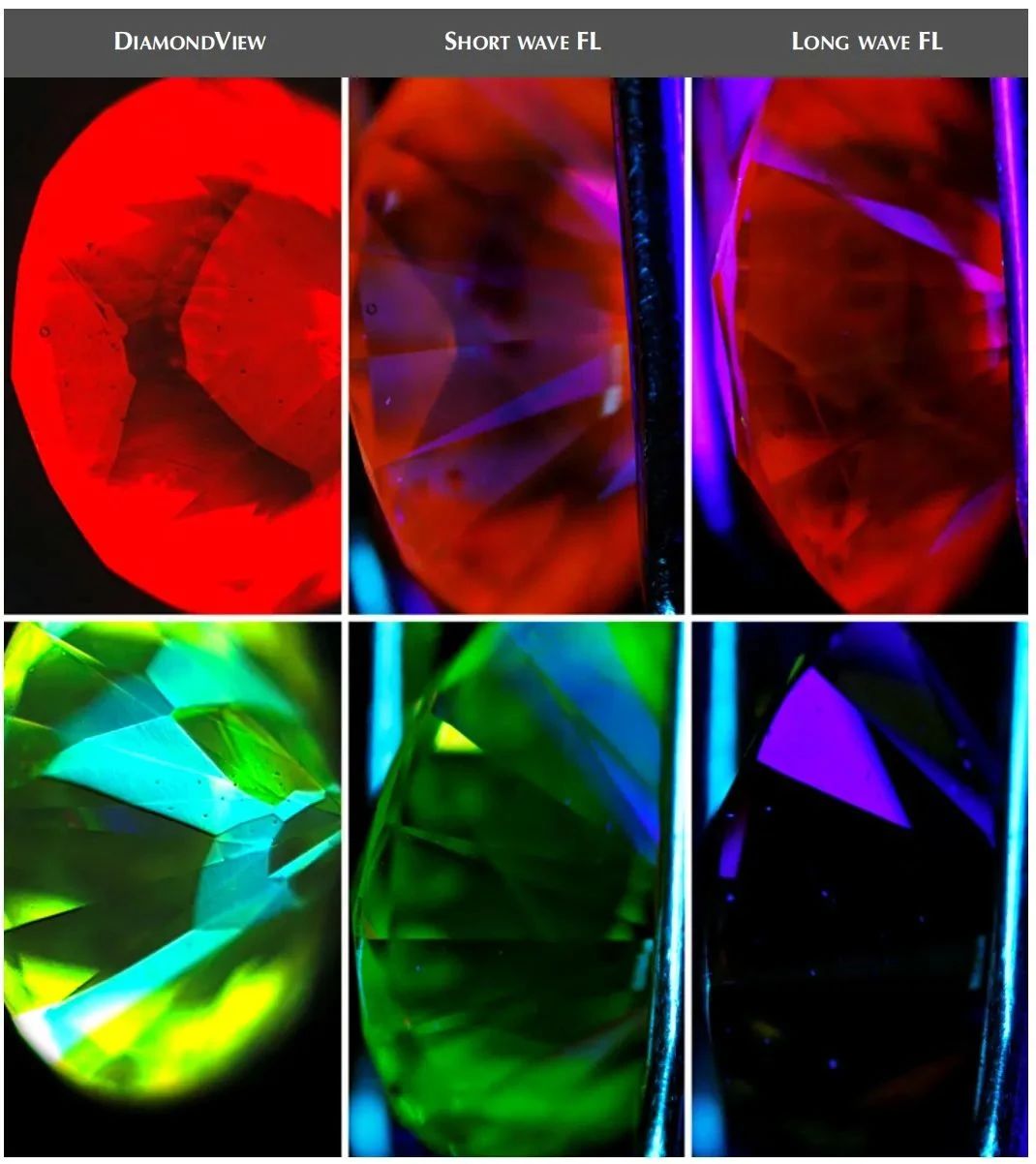
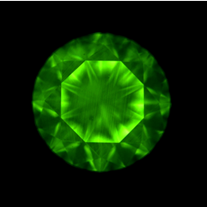
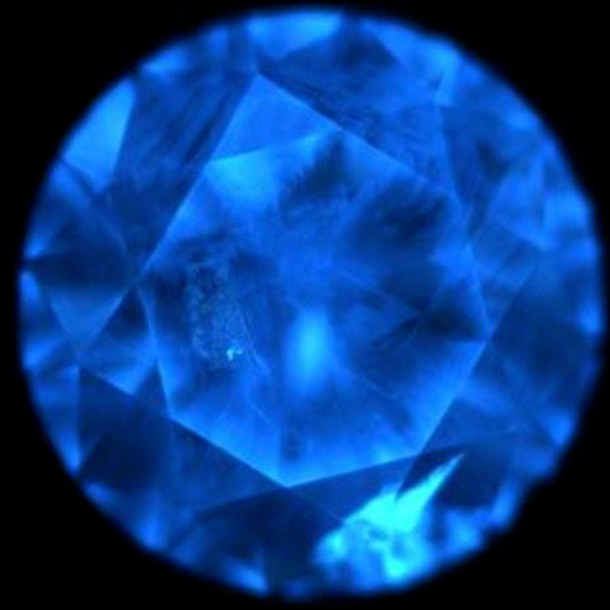
This is why gemological laboratories also use absorption and luminescence spectroscopy techniques to identify diamonds. Some of these techniques involve using a spectrometer to measure the photoluminescence of a gemstone after it is excited by a laser, or using deep ultraviolet light to illuminate the gemstone for fluorescence imaging. Photoluminescence spectroscopy accurately reveals defects within each diamond that are unique to the method of diamond growth. When exposed to deep UV light, HPHT diamonds often develop a cross-shaped pattern due to the way impurities were concentrated when the stone was formed. In some cases, HPHT diamonds also exhibit phosphorescence, glowing after exposure to UV light and even when the light source is turned off.
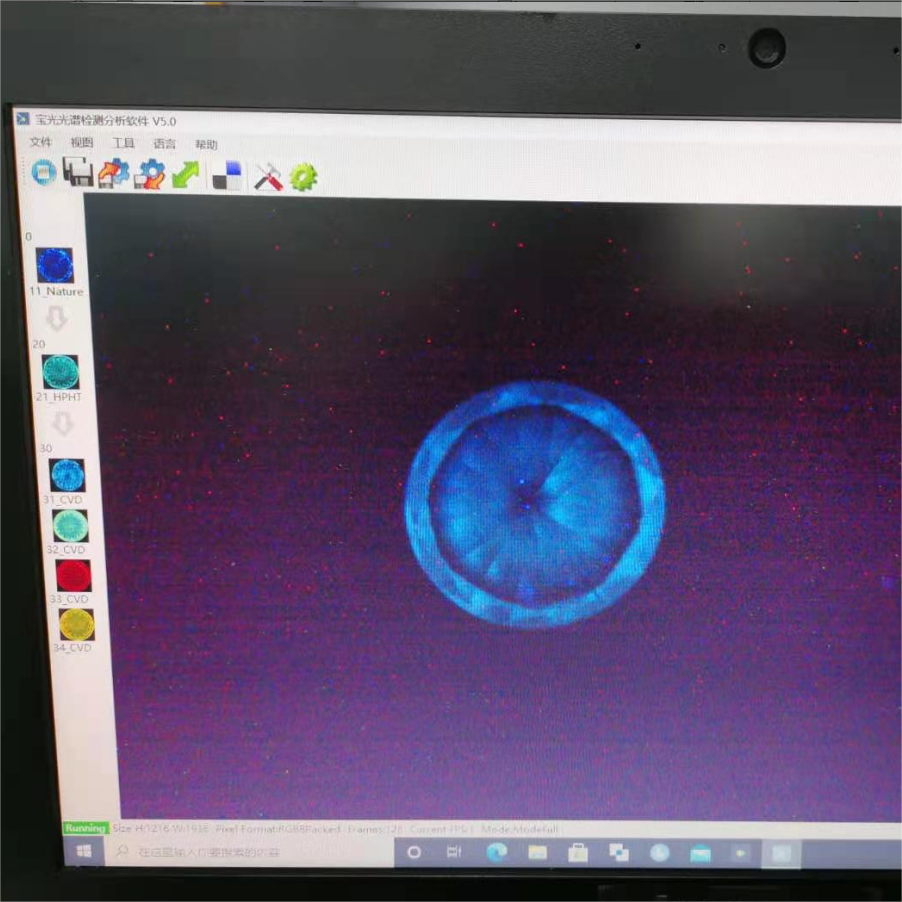
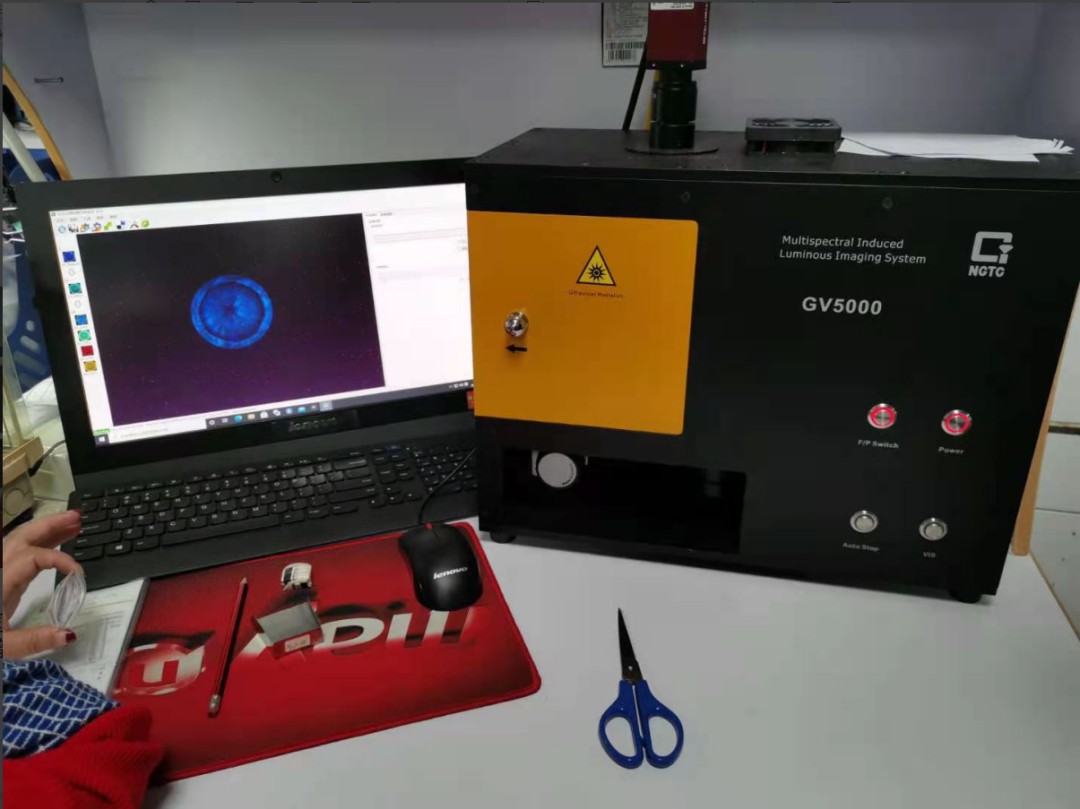
In DDO mode 1, natural diamonds mainly show blue-white fluorescence color, some natural diamonds show weak blue fluorescence or dark blue fluorescence, and very few natural diamonds show yellow, green, orange-red and other fluorescent colors.
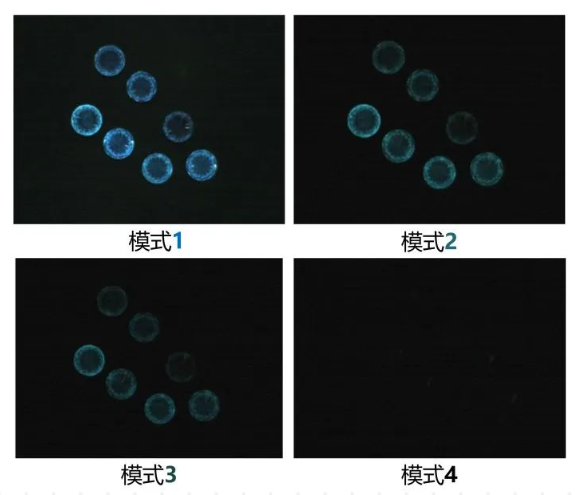
HPHT lab-grown diamonds, that is, diamonds grown by the high temperature and high pressure method, exhibit strong blue-green fluorescence and strong phosphorescence in DDO mode 1.
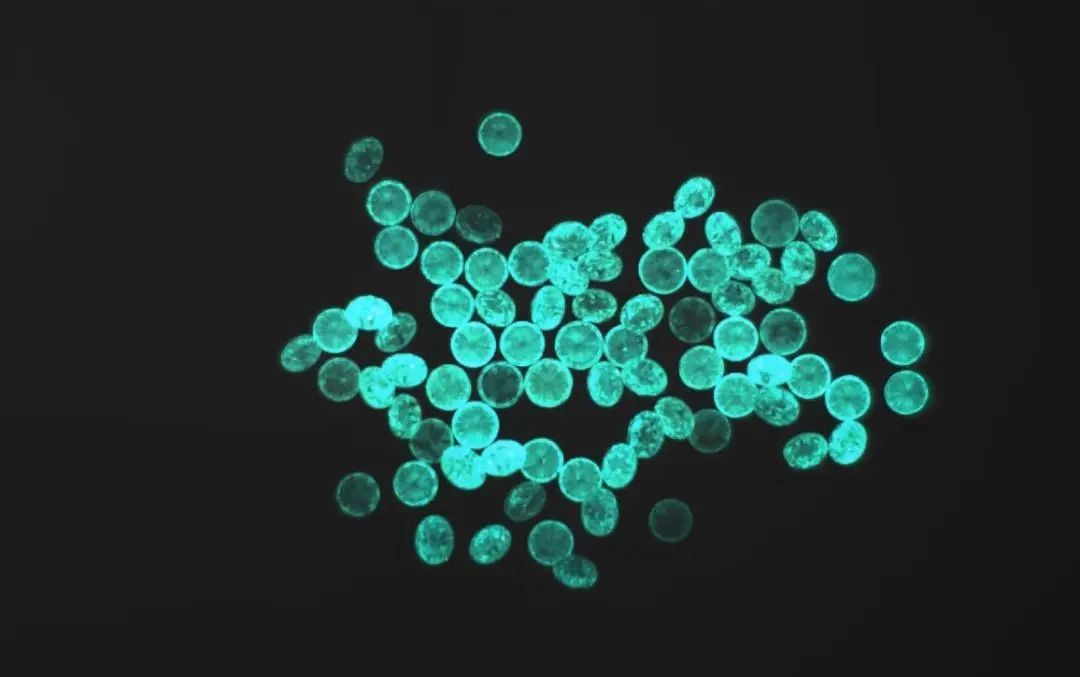
CVD lab-grown diamonds, that is, chemical vapor precipitation-grown diamonds, exhibit a variety of fluorescent colors such as blue-green, yellow-green, green, red, yellow, orange-red, blue-violet, etc. in DDO mode 1, and usually have phosphorescence characteristics.
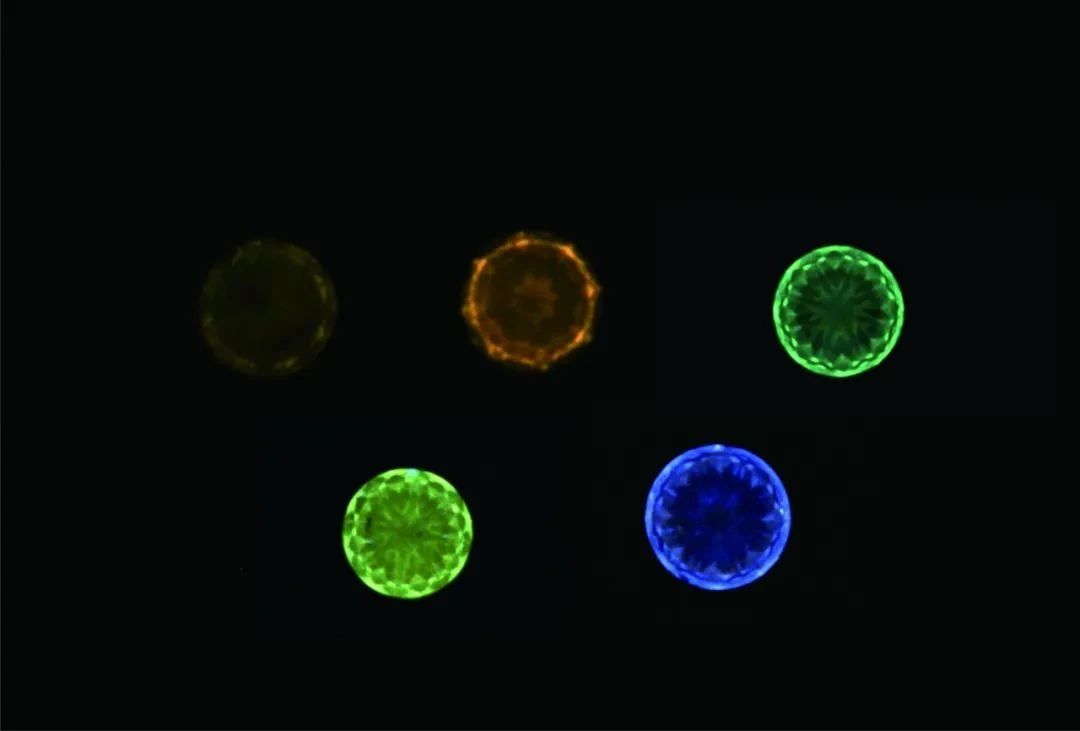
High Light Intelligence Technology lab-grown diamonds:
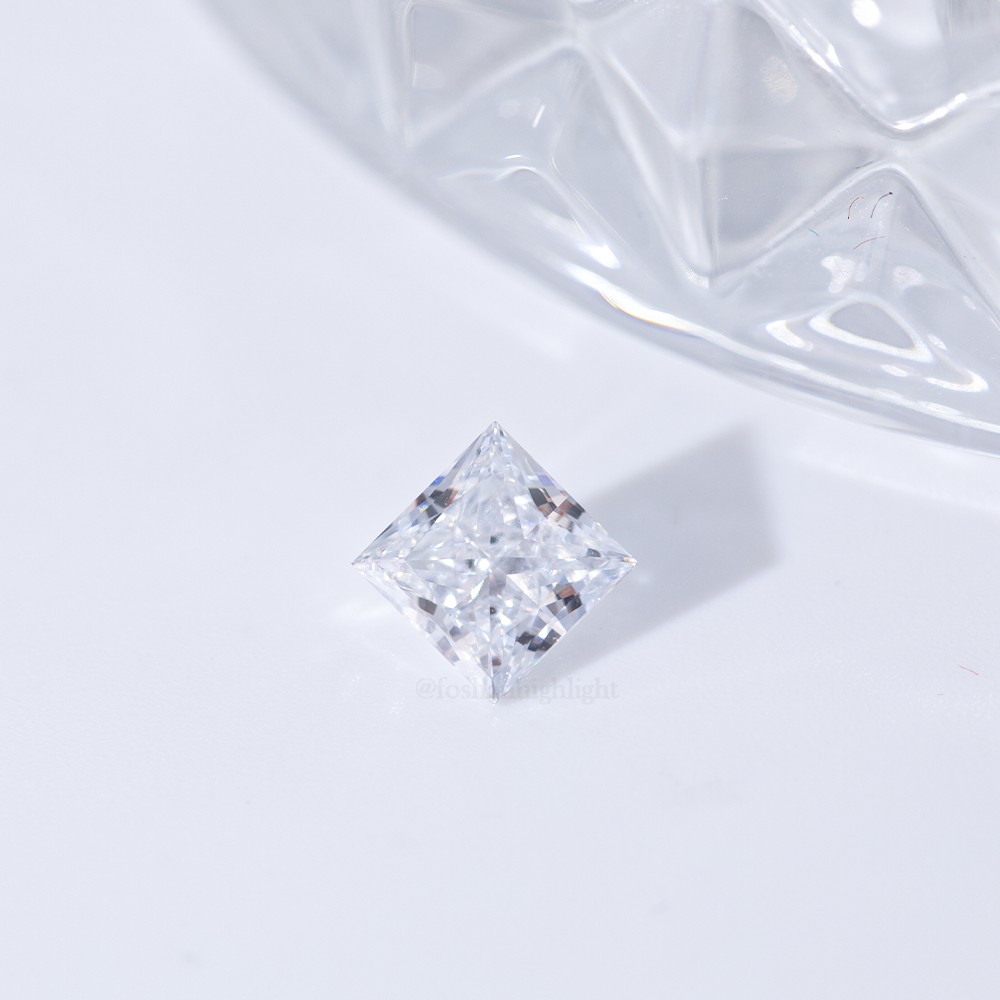
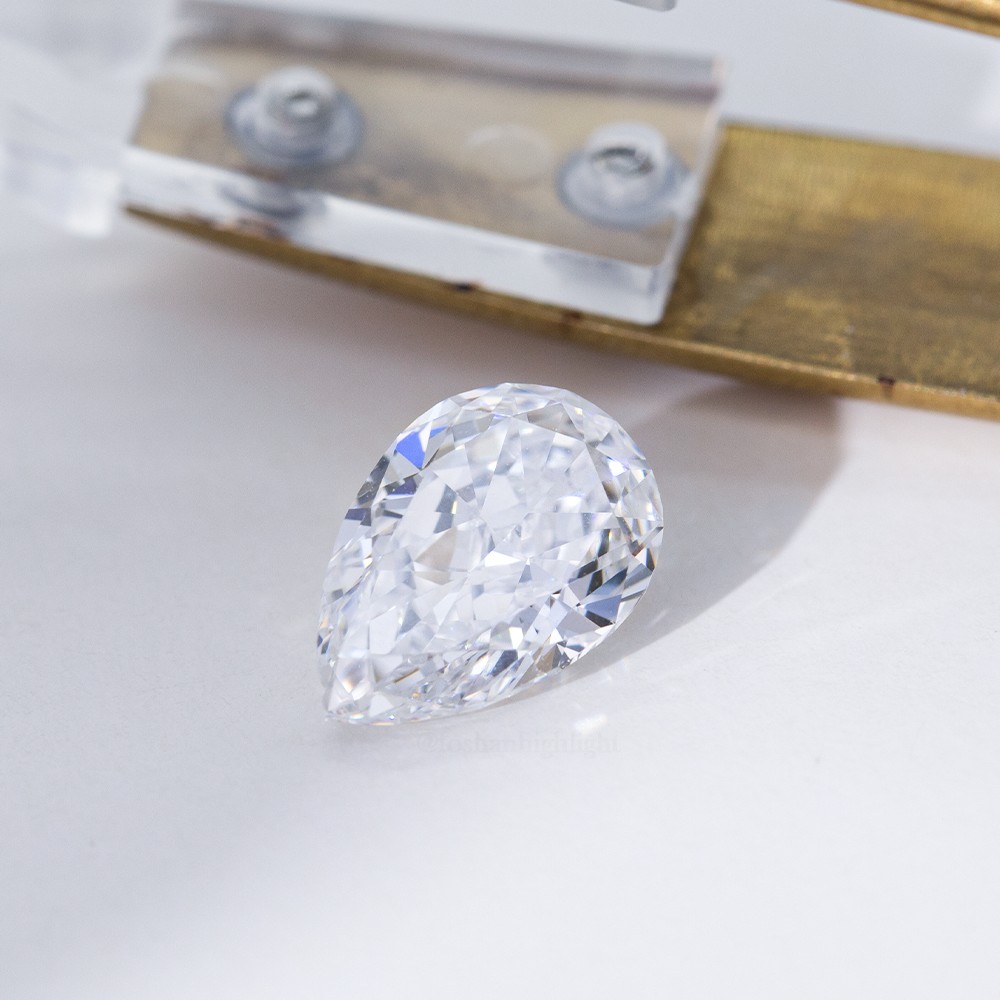
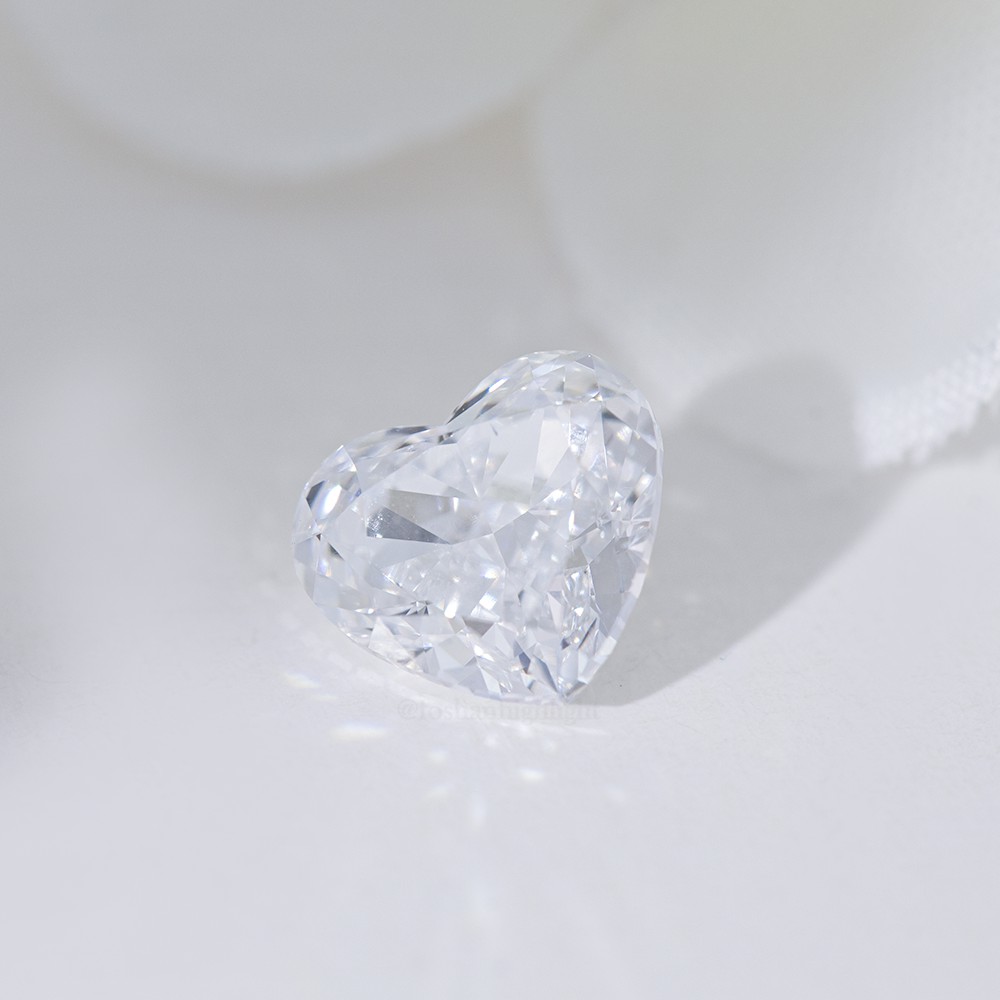
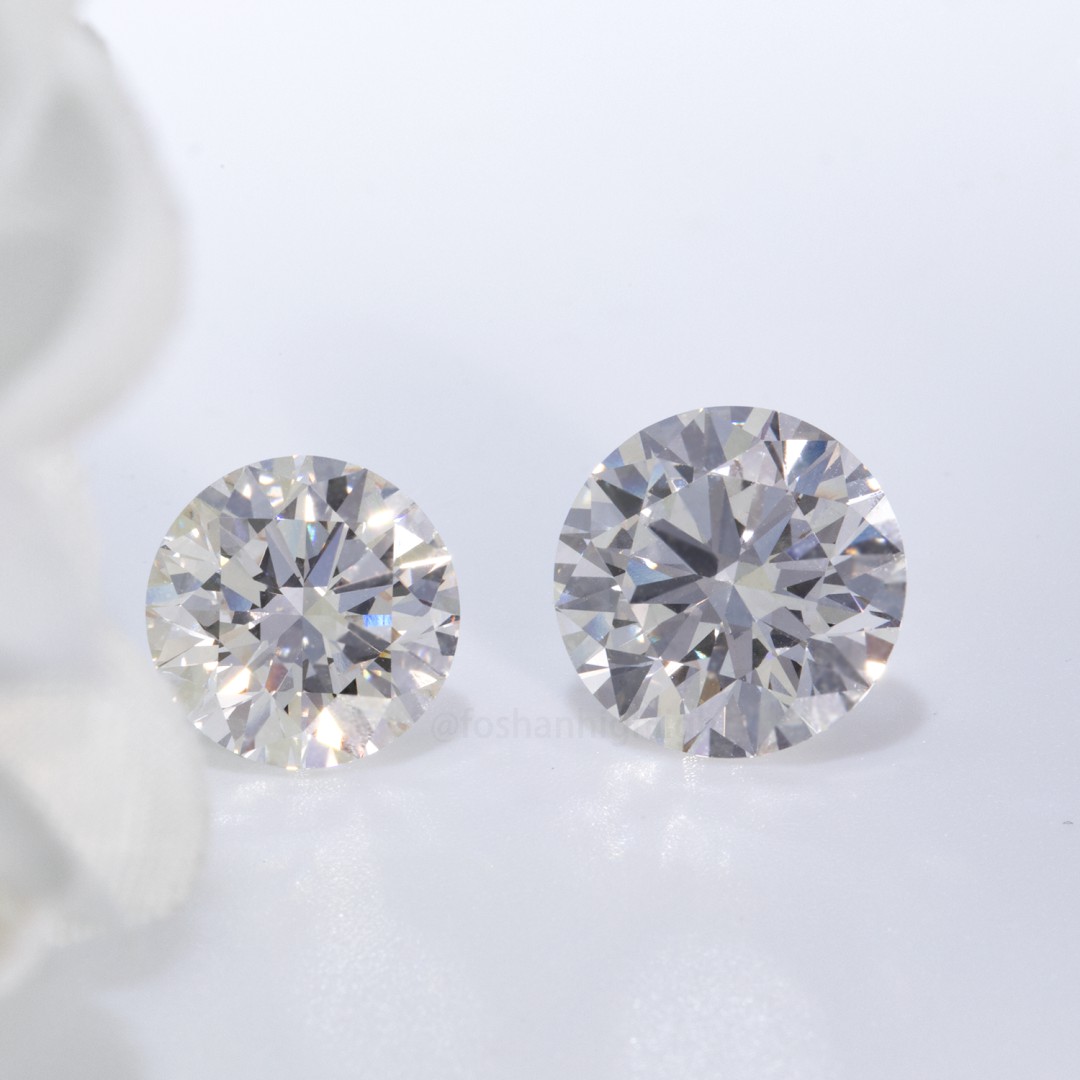
In CVD diamonds, photoluminescence spectroscopy can reveal the presence of several “ingredients” commonly found in CVD diamonds, such as silicon. Under deep UV illumination, CVD diamonds will also show that they have grown in layers (like a stack of pancakes), a growth structure unique to diamonds using this growth method.
After scientists identify a diamond as lab-grown, they evaluate it as carefully as they would a natural diamond. For added publicity and identification, the girdle of a lab-grown diamond is laser-engraved with its report number and a statement that the diamond is lab-grown. The LGDR that comes with lab-grown diamonds provides a comprehensive analysis of the diamond’s specifications, including precise measurements and details involving the 4Cs (color, clarity, cut, and carat weight). You can be confident that every gemstone that comes with a GIA report has had a reliable, objective evaluation of its identity and quality.









-

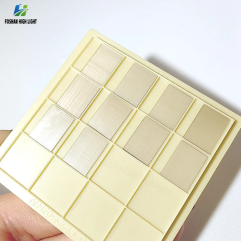
CVD Single-Crystal Diamonds: An Analysis of the Complete Processing Workflow from Gas-Phase Deposition to Finished Diamond Chips
MPCVD (Microwave Plasma Chemical Vapor Deposition) technology is currently the core process for producing high-quality single-crystal diamond s. Thanks to its advantages of low defect rates, high purity, and controllable large dimensions, it is widely used in fields such as semiconductor heat dissipation, precision optics, and high-end sensors. The final quality of single-crystal diamond s depends on comprehensive process control throughout the entire workflow—from vapor deposition growth to pos
-
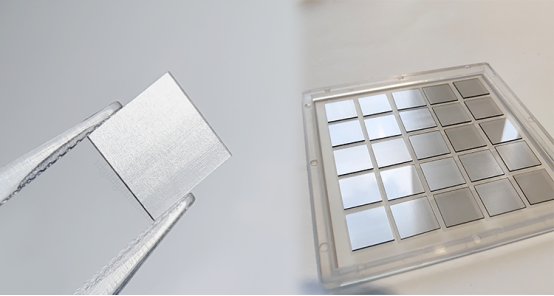
Single-Crystal or Polycrystalline Diamond — Which Has Greater Potential?
As diamond continues to enter industries such as semiconductors, thermal management, optics, high-power electronics, and precision machining, the requirements for diamond materials are also evolving.
-
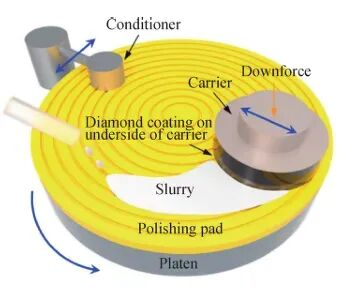
Diamond Polishing and Grinding Processes: Core Challenges and Industry Hurdles
Diamond is often hailed as the “ultimate material” – ranking 10 on the Mohs hardness scale, boasting an ultra‑high thermal conductivity (~2,200 W/(m·K)), excellent chemical stability, and broad optical transparency. These properties make it irreplaceable in cutting‑edge applications such as semiconductor heat dissipation, high‑end optics, and quantum chips. Yet the paradox of “good materials are hard to process” is nowhere more evident than in diamond. From rough grinding for planarization to at
-
Single-Crystal vs Polycrystalline CVD Diamond: Process Difference Lies in Growth Logic, Not Equipment
The process difference between single crystal and polycrystalline CVD diamond lies not in equipment, but in growth logic. Single crystal and polycrystalline CVD diamond are two functional new materials with completely independent growth mechanisms, lattice structures and performance systems. Their process logic, product features and application boundaries diverge fundamentally from the very start of deposition and growth. Comparing or selecting materials without considering their underlying crys