- 中文
- English
- Español
The differences and advantages of our standing wave equipment for cylinder chamber and clamshell chamber
2023-12-15 09:28:18
Click:
“
Microwave resonators are widely used in microwave signal sources, microwave filters and wavelength meters. It is equivalent to a low-frequency lumped parameter LC resonant circuit and is a basic microwave component. Standing wave is a special phenomenon in microwave resonant cavity. It is closely related to the shape, size and frequency of the resonant cavity. It has important applications in acoustics, electromagnetics, fluids and other fields. There are many types of microwave resonant cavitie
”
Microwave resonators are widely used in microwave signal sources, microwave filters and wavelength meters. It is equivalent to a low-frequency lumped parameter LC resonant circuit and is a basic microwave component. Standing wave is a special phenomenon in microwave resonant cavity. It is closely related to the shape, size and frequency of the resonant cavity. It has important applications in acoustics, electromagnetics, fluids and other fields. There are many types of microwave resonant cavities, the common ones are rectangular cavities and cylinder chamber, etc. These cavities vary in shape, size, and oscillation mode, but all have high quality factors and stability, making them suitable for a variety of microwave applications. Cylinder chamber and clamshell chamber are two common wave guiding structures, which have unique properties in the study of standing waves.
Cylinder Chamber Standing Wave
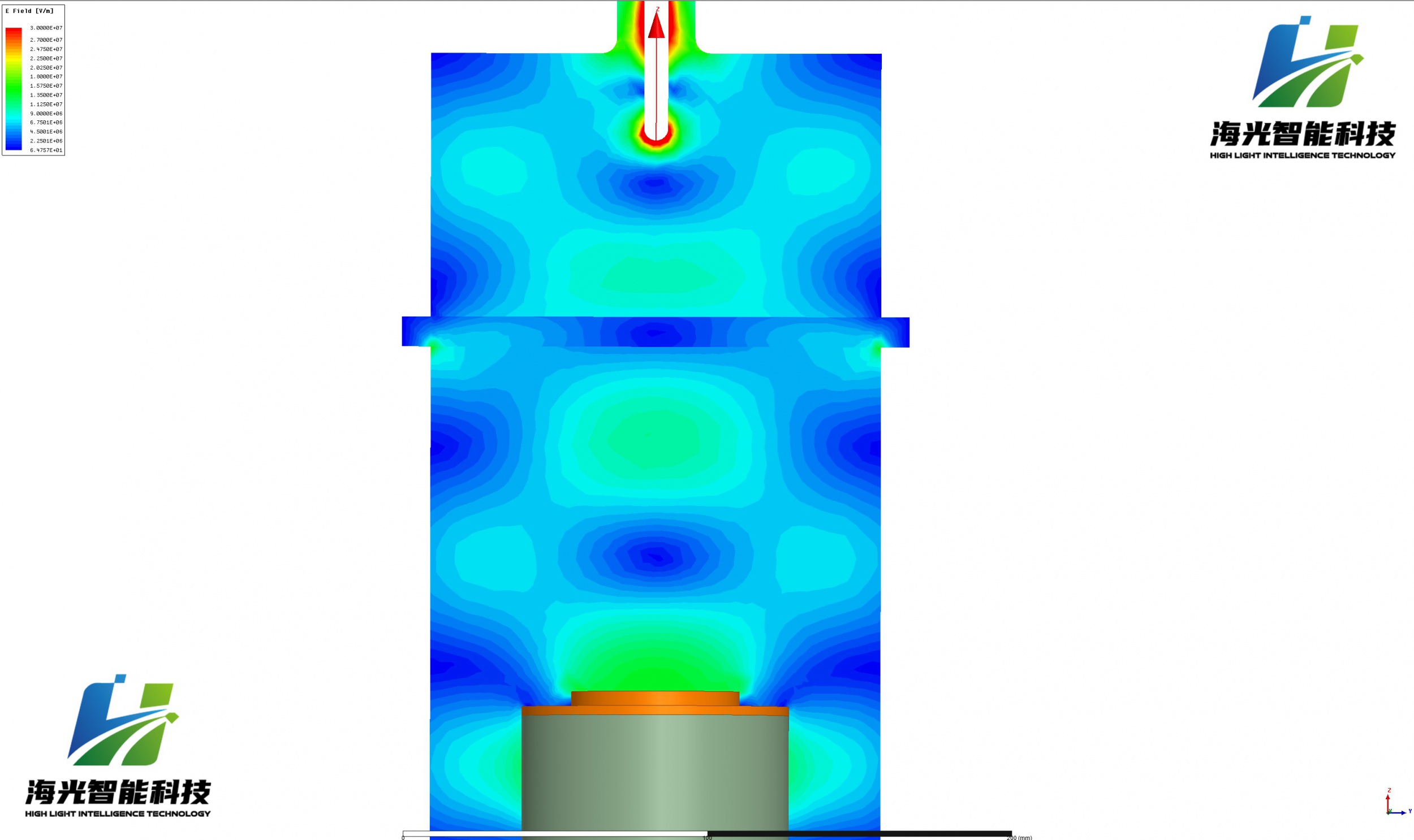
A cylinder chamber is a closed space with a circular cross-section, and the waves propagating inside it are called cylinder chamber standing waves. In a cylinder chamber, the direction of wave propagation is parallel to the axis of the cylinder. Cylinder chamber standing waves have multiple modes, each corresponding to a different wavelength and frequency. These modes can be classified according to their propagation constants, including vertical modes, horizontal modes, etc. The field distribution of the cylinder chamber standing wave differs in different modes. For the longitudinal mode, the electric and magnetic fields are mainly along the cylinder axis; for the transverse mode, the electric and magnetic fields are mainly perpendicular to the cylinder axis. The cylindrical resonant cavity is composed of a circular waveguide with a length L and short-circuit at both ends. The radius of the cylinder chamber is R. The field distribution analysis method and resonance wavelength calculation of cylinder chamber are the same as those of rectangular cavity.

In MPCVD equipment, the application of cylinder chamber standing waves is mainly reflected in the synthesis of carbon nanotubes (CNT) and the deposition of various CVD films. The shape and size of the cylinder chamber can be optimized for specific reactive gases and deposition materials, thereby achieving stable standing wave modes at specific frequencies and improving the efficiency and quality of synthesis and deposition.
Clam Shell Standing Wave

A clamshell chamber is a closed space with a flat shape, and the waves propagating inside it are called clamshell chamber standing waves. In a clamshell chamber, the wave propagation direction is usually perpendicular to the central axis of the clamshell surface. Similar to cylinder chamber, clamshell chamber standing waves also have multiple modes. These modes can also be classified based on their propagation constants. However, due to the shape characteristics of the clamshell chamber, the field distribution of its modes is different from that of the cylinder chamber. The field distribution of the clamshell chamber standing wave also differs in different modes. In some modes, the electric and magnetic fields may be significantly distributed throughout the clamshell chamber; in other modes, the electric and magnetic fields may be concentrated in specific areas of the clamshell chamber.
The application of clamshell chamber standing waves in MPCVD equipment is mainly reflected in the precise control of specific materials or reaction processes. The shape and size of the clamshell chamber can be optimized for specific materials or reaction processes, resulting in more precise electromagnetic field distribution and more efficient energy transfer, improving device performance and stability.
Differences and Advantages
In cylinder chamber and clamshell chamber, the propagation direction of electromagnetic waves is controlled by the physical structure inside the cavity. Cylinder chamber and clamshell chamber are closed waveguide structures used to propagate specific modes of electromagnetic waves.
The Difference:
Shape Difference:
A cylinder chamber has a circular cross-section, while a clamshell chamber has a flat shape. This difference in shape results in differences in their properties when propagating electromagnetic waves.
Pattern Classification:
Both cylinder and clamshell chamber have multiple patterns, but their patterns are classified differently. Cylinder chamber is mainly classified based on propagation constants, while clamshell chamber may be classified based on other parameters.
Field Distribution:
Due to the difference in shape, the field distribution of cylinder chamber and clamshell chamber is also different in different modes. This gives them unique advantages in certain applications.
Advantage:
Cylinder chamber standing wave:
Although in some applications, there may be mode crossover problems, causing the signal to be easily interfered , it has high mechanical strength due to its ease of design and processing, and in some modes can achieve smaller of losses.
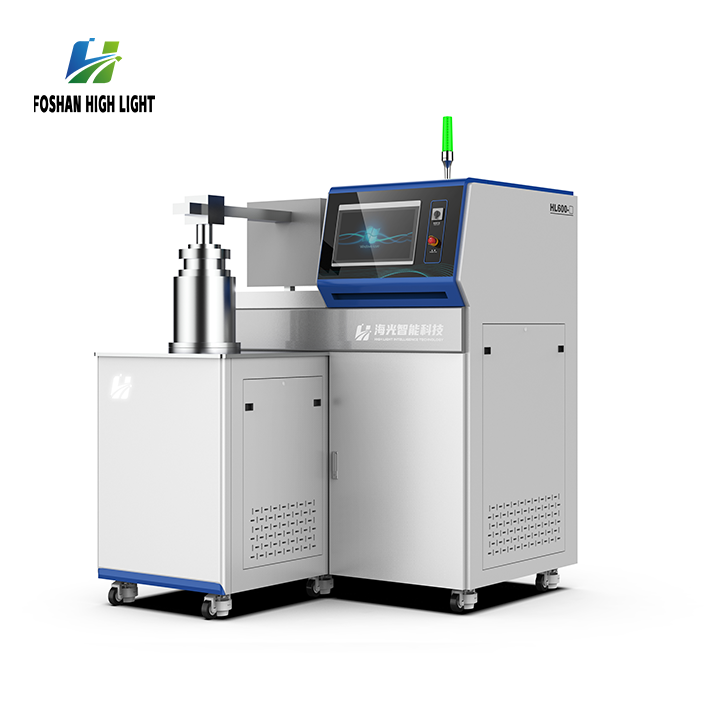
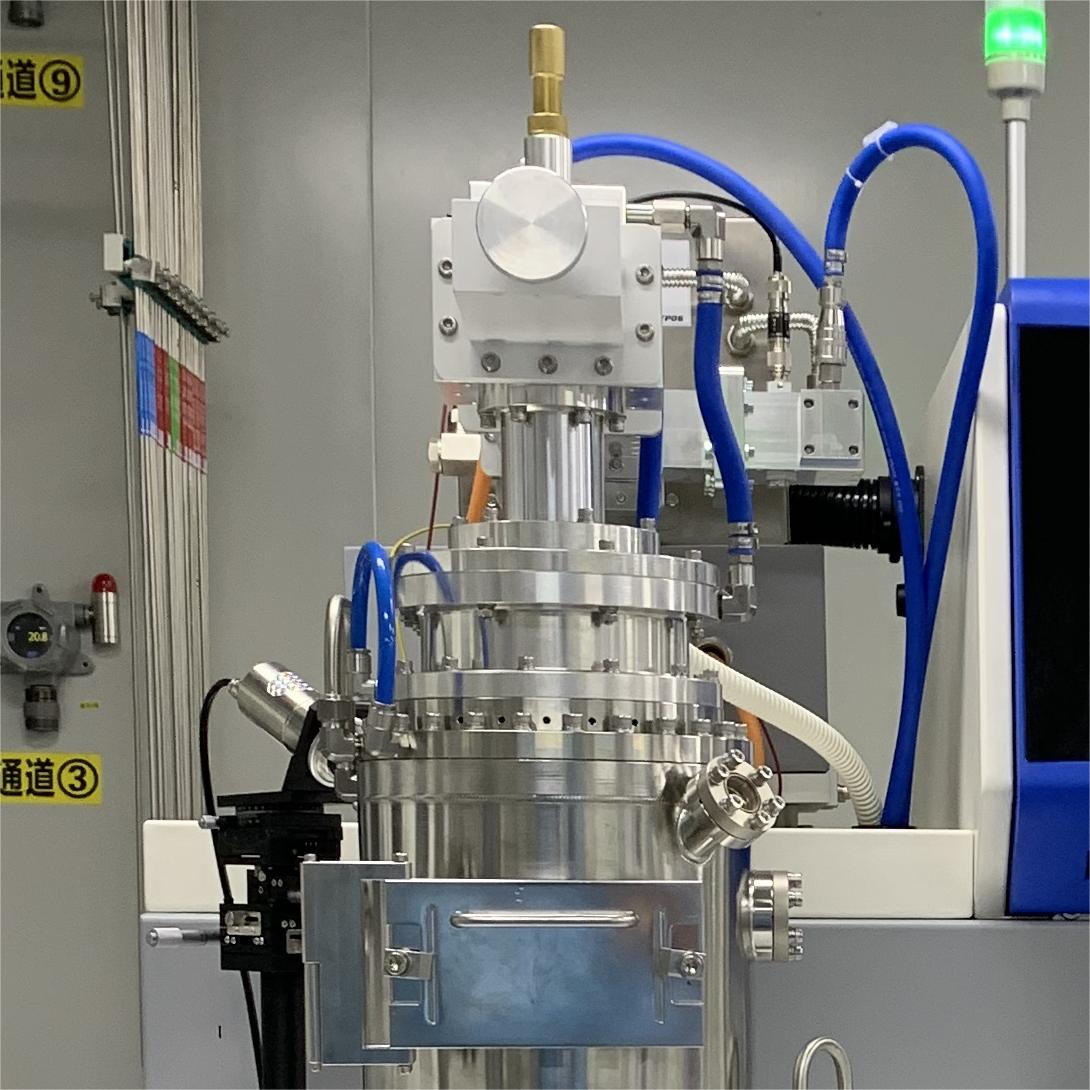
Clamshell chamber standing wave:
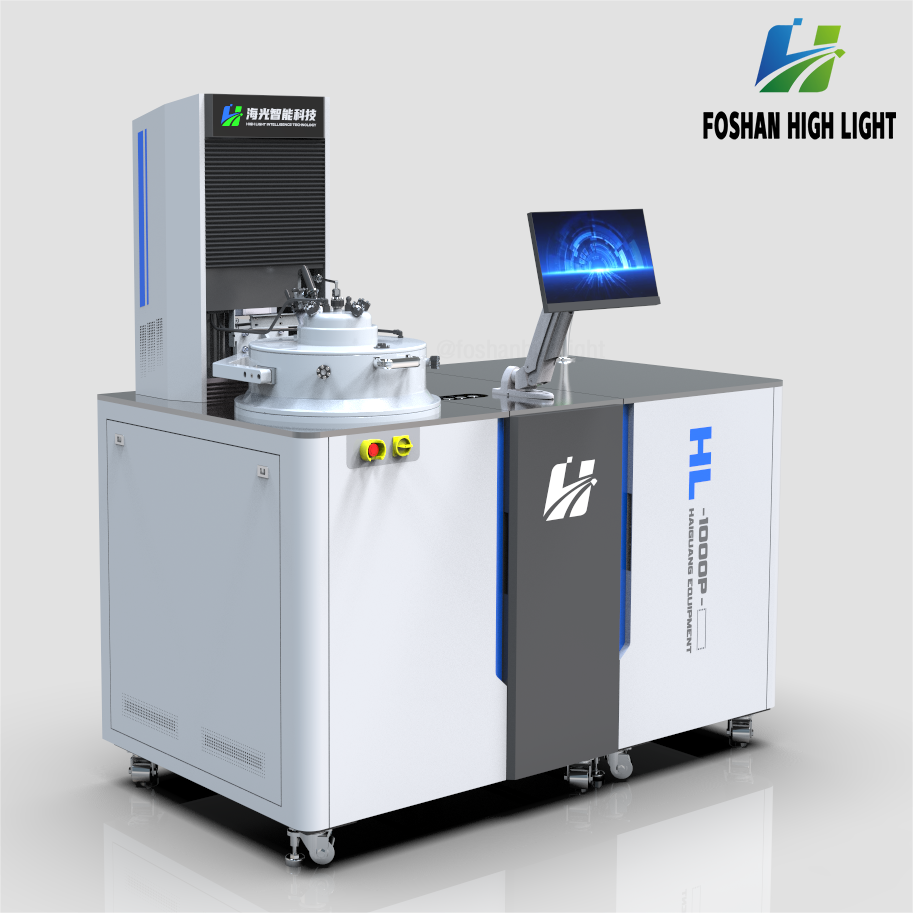
The design of the clamshell chamber standing wave is complex and difficult to process . In some applications, there may be problems with unstable modes. However, High Light Intelligence Technology has overcome these problems so far. Our devices have high frequency selectivity and directivity as well as low losses , making them suitable for applications requiring high-precision control .
Electromagnetic energy relationshipandpower consumption of resonant cavity
There are many similarities between the electromagnetic energy relationship in the microwave resonator and the energy relationship in the lumped parameter LC resonant circuit, as shown in the figure.
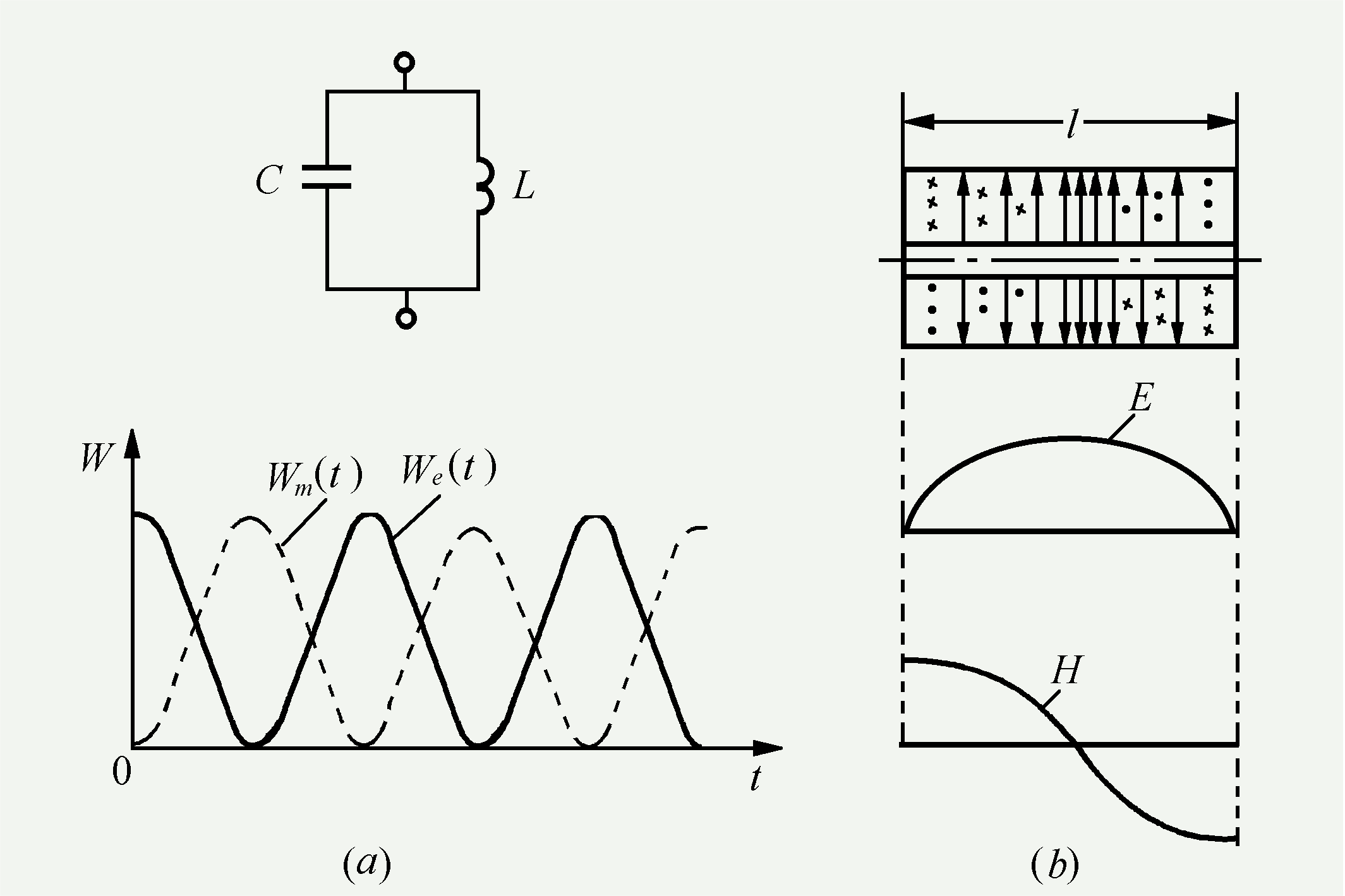
But there are also many differences between microwave resonators and LC resonant circuits:
1. The electric field energy of the LC resonant circuit is concentrated in the capacitor, and the magnetic field energy is concentrated in the inductor, while the microwave resonator is a distributed parameter circuit, and the electric field energy and magnetic field energy are spatially distributed;
2. The LC resonant circuit has only one resonant frequency, while microwave resonators generally have infinite resonant frequencies. In addition, microwave resonators have different resonant modes (i.e. resonant wave types);
3. The microwave resonator can concentrate more energy with less loss, so its quality factor is much larger than that of the LC concentrated parameter loop.
/ Application principles and functions in MPCVD equipment /
Application principle:
MPCVD (molecular beam epitaxy) equipment uses the standing wave effect to incident the gas molecule beam onto the heated substrate surface, and achieves epitaxial growth of the film through chemical reactions. Cylinder chamber and clamshell chamber serve as standing wave generators to generate specific patterns of electromagnetic waves to control the incidence and distribution of molecular beams.
Function:
The cylinder chamber and clamshell chamber play an important role in MPCVD equipment. First, the standing wave effect they generate can effectively focus the gas molecular beam onto the substrate surface, improving the growth efficiency and quality of the film. Secondly, by adjusting the mode and frequency of the standing wave, precise control of the film growth process can be achieved. In addition, cylinder chamber and clamshell chamber can also be used as components such as mirrors or filters to optimize the growth process of thin films.
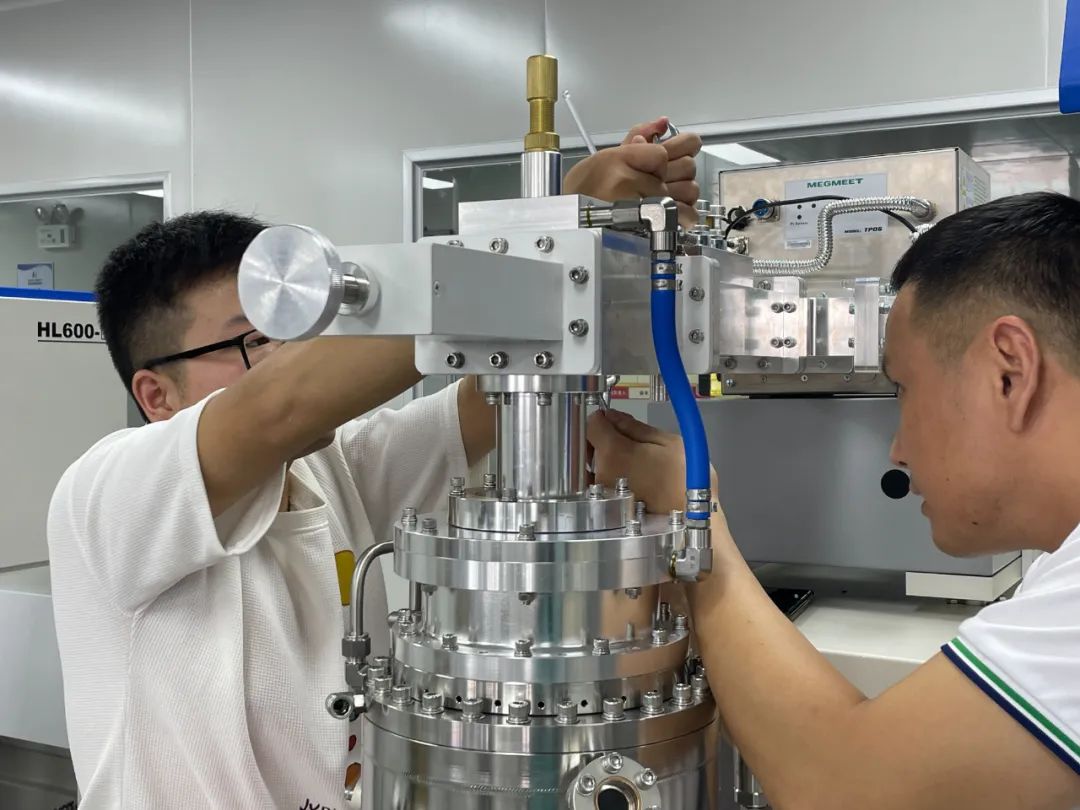
There are significant differences between cylinder chamber and clamshell chamber standing waves in many aspects. Their shapes and propagation directions are different, which leads to differences in field distribution in different modes . Due to the characteristics of these two waveguide structures, they are used in applications. Have different advantages and limitations. Therefore, when choosing which waveguide structure to use, comprehensive considerations need to be made based on specific application requirements. High Light Intelligence Technology's cylinder chamber and clamshell chamber standing waves both play an important role in MPCVD equipment. They control the incidence and distribution of gas molecular beams by generating specific patterns of electromagnetic waves, thereby achieving efficient and high-quality growth of thin films. In practical applications, the appropriate waveguide structure can be selected according to specific needs and its design parameters can be optimized to obtain the best film growth effect. High Light Intelligence Technology's equipment is widely used in fields such as materials science, optoelectronics, and semiconductor devices. It has received technical recognition and product ordering from a large number of domestic customers.









-

Single-Crystal vs Polycrystalline CVD Diamond: Process Difference Lies in Growth Logic, Not Equipment
The process difference between single crystal and polycrystalline CVD diamond lies not in equipment, but in growth logic. Single crystal and polycrystalline CVD diamond are two functional new materials with completely independent growth mechanisms, lattice structures and performance systems. Their process logic, product features and application boundaries diverge fundamentally from the very start of deposition and growth. Comparing or selecting materials without considering their underlying crys
-
From Lab-Grown Diamonds to Industrial Diamonds: Is It Time to Build an MPCVD Factory?
The lab-grown diamond industry is entering a new stage. Over the these few years, lab-grown diamonds have gradually gained wider acceptance in the jewelry market. With the development of production technology, equipment maturity and supply chain improvement, the industry is becoming more standardized and efficient. But beyond jewelry, another opportunity is attracting more attention:Industrial diamond applications.
-
Diamond‑Copper Composite: A Next‑Generation Solution for High‑Power Electronics Thermal Management
Diamond‑copper composite (DC) is an advanced metal‑matrix composite material consisting of diamond particles as the reinforcement phase and copper as the matrix, fabricated through state‑of‑the‑art composite preparation techniques. Diamond has the highest thermal conductivity of any naturally occurring material, with isotropic values ranging from 1200 to 2300 W/m·K. Copper, with a thermal conductivity of 401 W/m·K, ranks second only to silver among common metals. By combining the two, the compo
-
Mosaic Single‑Crystal Diamond: Breaking Size Limits
With an ultra‑wide bandgap of 5.47 eV, ultra‑high thermal conductivity (>2000 W/m·K), high carrier mobility (electron mobility up to 4500 cm²·V⁻¹·s⁻¹), and ultra‑high theoretical breakdown field strength (>10 MV/cm), Single‑Crystal Diamond (SCD) is an ideal candidate for next‑generation high‑power, high‑frequency and extreme‑environment electronic devices. However, both natural diamond and HPHT‑synthesized single‑crystal diamond are limited in lateral size, which greatly hinders large‑scal