- 中文
- English
- Español
How diamond, the king of heat dissipation, helps the electronics industry take off
2024-01-31 13:37:36
Click:
“
The popularity of lab-grown diamonds lies not only in the jewelry industry, but also in high-precision industrial fields. As the king of materials, diamond has many excellent physical and chemical properties. Diamond single crystal is the ultimate semiconductor material. It combines excellent crystallinity, extremely high breakdown voltage, excellent electrical properties and extremely high thermal conductivity. The most outstanding thing is its high thermal conductivity. At 30-650°C, diamond is
”
The popularity of lab-grown diamonds lies not only in the jewelry industry, but also in high-precision industrial fields. As the king of materials, diamond has many excellent physical and chemical properties. Diamond single crystal is the ultimate semiconductor material. It combines excellent crystallinity, extremely high breakdown voltage, excellent electrical properties and extremely high thermal conductivity. The most outstanding thing is its high thermal conductivity. At 30-650°C, diamond is the crystal with the highest thermal conductivity among solid materials.
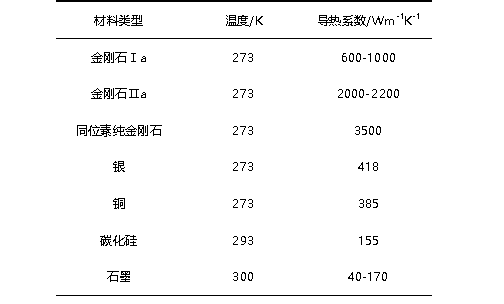
The thermal conductivity of a crystal is determined by the heat capacity, phonon mean free path, and phonon speed. The anharmonic vibration of the diamond lattice is weak and the phonon mean free path is long; the Debye temperature is high and the phonon speed is fast, so the thermal conductivity The rate is extremely high. At room temperature, the thermal conductivity of diamond is five times that of copper and 15 times that of silicon, which has obvious advantages over other materials.
Single crystal diamond has the highest thermal conductivity among diamond materials, which is closely related to its crystal structure. It mainly conducts heat through lattice vibration, that is, phonons. There are two main ways to use single crystal diamond for heat dissipation. One is to directly use it as a replacement epitaxial substrate, grow the material in situ to prepare the device, and make close contact with the diamond through the active area of the device, using the ultra-high thermal conductivity of diamond to evenly distribute heat into the substrate. The other is to add a microchannel structure to the single crystal diamond structure and use fluid to take out the internal heat to achieve the purpose of cooling.
Large-area single crystal diamond substrates mainly provide epitaxial growth substrates for the development and industrialization of various electronic devices. High-power diamond power electronic devices: It can replace existing Si, SiC and other power conversion devices and switching power supplies, greatly reduce the size of the conversion device, and does not require heat dissipation, achieving a significant increase in conversion efficiency and a significant reduction in power consumption, improving reliability Significant improvement. The energy consumption of diamond electronic devices will be 1/3-1/5 of the devices currently used.
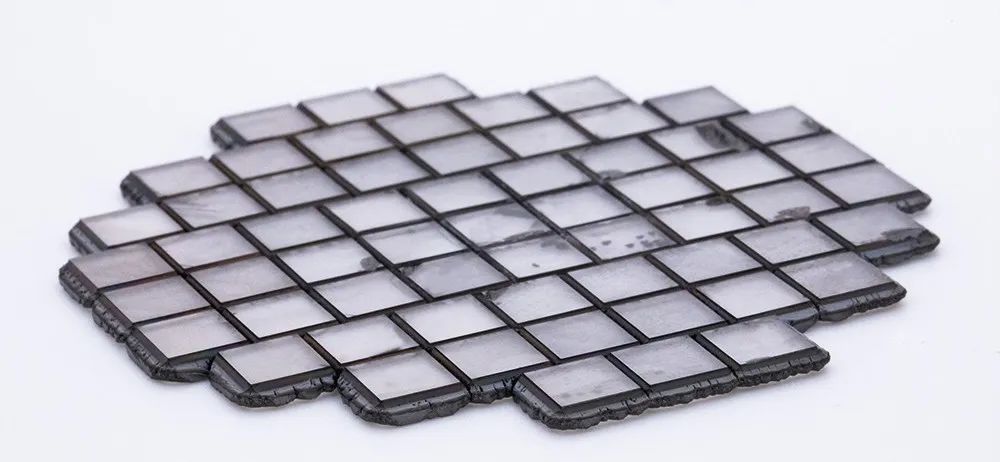
Ultra-high frequency and high-power diamond electronic devices (microwave, millimeter wave radar): can be used in fire control weapon systems, radar, high-speed wireless communications, rockets, aerospace and other fields. It can replace the currently used traveling wave tubes, making weapon systems and communication systems more miniaturized and greatly improved in reliability, greatly increasing the data transmission rate of communication systems, and significantly reducing the weight, launch costs and radiation resistance of satellites and other spacecrafts. ability.
Applied to integrated circuit chips: Develop next-generation diamond-based integrated circuit chips to completely solve the heat dissipation bottleneck problem of integrated circuits and make integrated circuits larger-scale and faster. Diamond UV LED, LD: can be used in environmental protection and medical sterilization, high-density data storage, etc. Biosensors such as DNA: Use the affinity of diamond to biological cells and the high sensitivity of biosensors to develop various diamond biosensors; at the same time, they can also be made into biological weapons detectors. Sun-blind ultraviolet detectors and ultrafast particle radiation scintillator detectors: used in missile guidance and early warning, and deep space X-ray communications.
At present, various technical forms have been developed to use diamond as a heat sink or substrate for power devices, among which the main ones are: diamond bonding based on substrate transfer technology, low-temperature deposition based on diamond passivation layer, and device epitaxial growth on diamond. . At this stage, room temperature bonding of polycrystalline diamond with Si, GaN, Ga2O3, etc. has been achieved through surface activation bonding (SAB) technology.
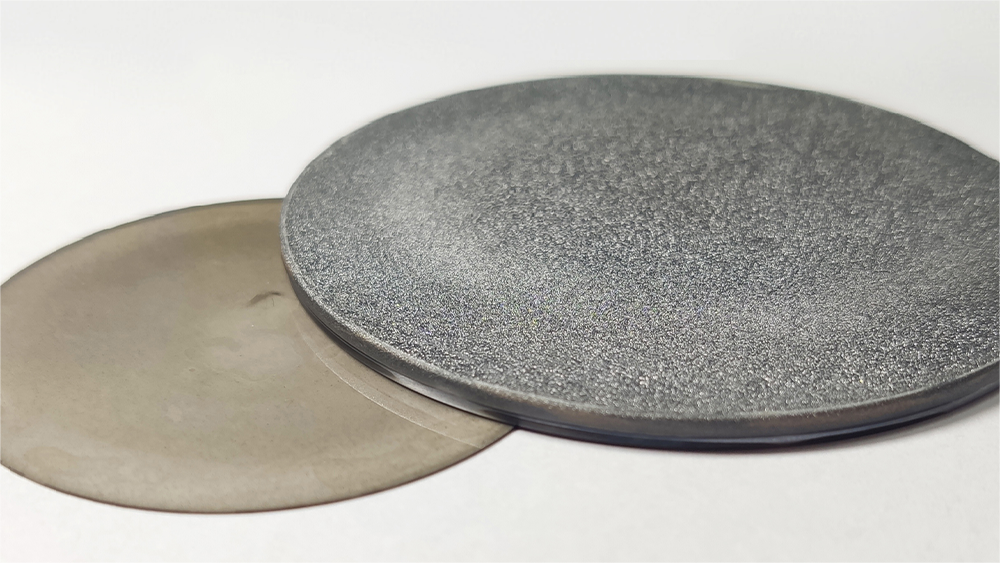
Polycrystalline diamond has high performance advantages as a heat sink for high-power chips and electronic devices. In the future, as production increases and costs decrease, it is expected to be widely used in the field of semiconductor heat sinks. At present, commercial mass production of 4-inch electronic-grade polycrystalline diamond has been achieved, and the international maximum preparation size can reach 8 inches. With the improvement and upgrading of MPCVD technology, it is expected to be compatible with the existing 8-inch semiconductor wafer manufacturing line, and finally achieve multi-crystalline diamond production. The large-scale application and promotion of diamond heat sink materials in the semiconductor material industry.
Nano diamond materials are generally used for heat dissipation as a passivation layer for devices with high heat flux density. They can evenly heat the surface of the device, add a heat conduction path to the device, and improve the temperature uniformity performance of the device surface. Hydrogen plasma has a reactive etching effect on gallium nitride, causing the method of directly depositing diamond on the device to require low temperature conditions and a hydrogen-resistant design. On the surface of the hydrogen-resistant protective layer, diamond needs to be nucleated uniformly and at a high density, and at the same time, it needs to be highly oriented to improve the overall thermal conductivity of the diamond passivation layer.
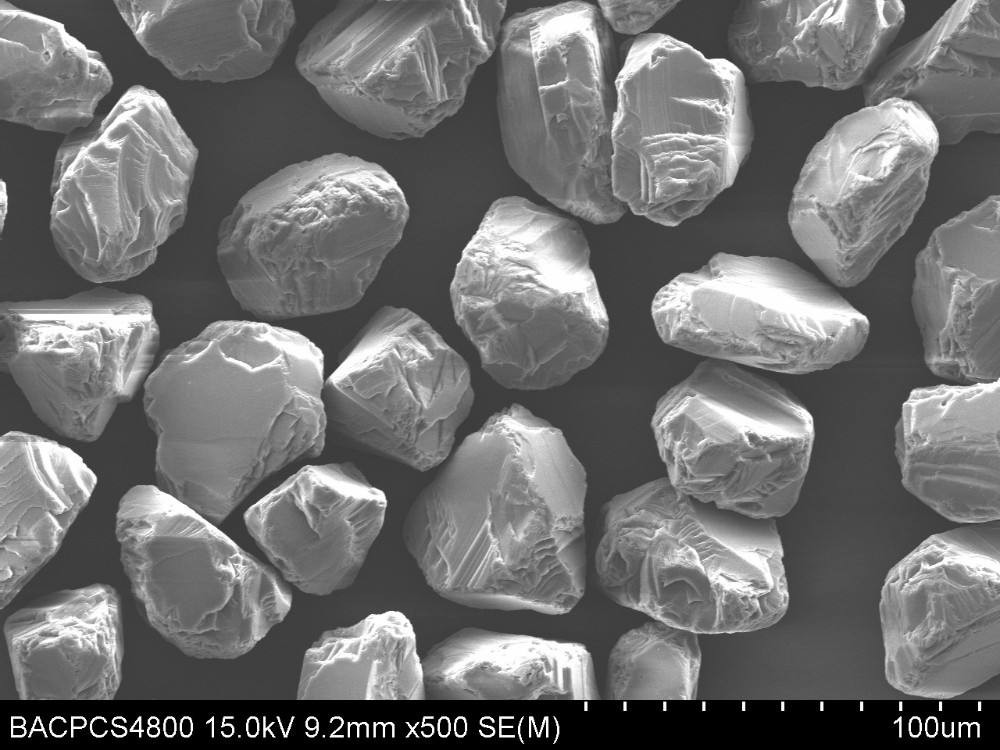
Harbin Institute of Technology cooperated with China Electronics Technology Group Co., Ltd. 55 to develop nano-diamond passivated GaN devices. The nano-diamond passivation layer with controllable grain size was prepared at 600°C to achieve full coverage of the device surface with a highly thermally conductive diamond layer. However, There is still a problem that the thermal conductivity of nanodiamond is worse than that of single crystal and the heat dissipation effect is limited. There is still room for further exploration.
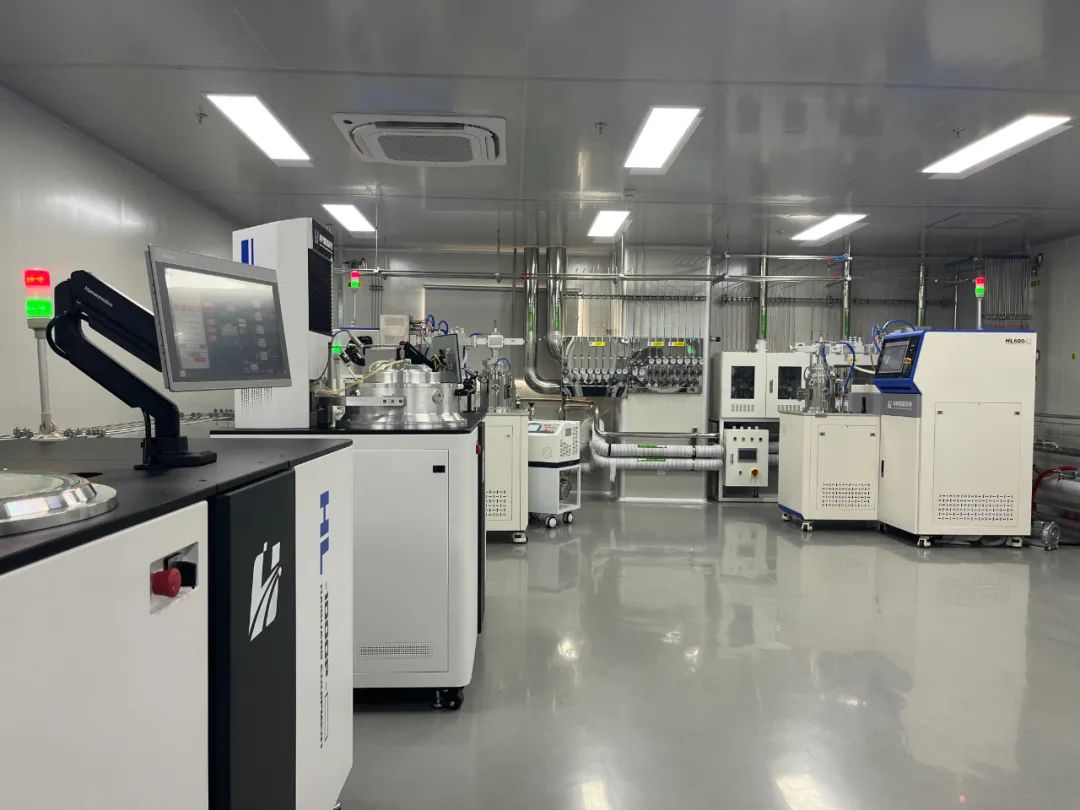
Whether it is single crystal or polycrystalline products, High Light Intelligence Technology shows excellent performance and quality. Customers can choose products that suit them according to their own needs. Haiguang Intelligent Technology is a semiconductor diamond production supplier. While the semiconductor industry is developing rapidly, we also provide diamond materials to major commercial customers and academic researchers, contributing to the development of semiconductor technology and materials. With MPCVD technology as the core, we have long been committed to the R&D and manufacturing of high-quality diamond materials and related equipment. We have advanced MPCVD equipment, laser processing equipment and precision polishing equipment.
作者:佛山市海光智能科技有限公司









-

CVD Single-Crystal Diamonds: An Analysis of the Complete Processing Workflow from Gas-Phase Deposition to Finished Diamond Chips
MPCVD (Microwave Plasma Chemical Vapor Deposition) technology is currently the core process for producing high-quality single-crystal diamond s. Thanks to its advantages of low defect rates, high purity, and controllable large dimensions, it is widely used in fields such as semiconductor heat dissipation, precision optics, and high-end sensors. The final quality of single-crystal diamond s depends on comprehensive process control throughout the entire workflow—from vapor deposition growth to pos
-
Single-Crystal or Polycrystalline Diamond — Which Has Greater Potential?
As diamond continues to enter industries such as semiconductors, thermal management, optics, high-power electronics, and precision machining, the requirements for diamond materials are also evolving.
-
Diamond Polishing and Grinding Processes: Core Challenges and Industry Hurdles
Diamond is often hailed as the “ultimate material” – ranking 10 on the Mohs hardness scale, boasting an ultra‑high thermal conductivity (~2,200 W/(m·K)), excellent chemical stability, and broad optical transparency. These properties make it irreplaceable in cutting‑edge applications such as semiconductor heat dissipation, high‑end optics, and quantum chips. Yet the paradox of “good materials are hard to process” is nowhere more evident than in diamond. From rough grinding for planarization to at
-
Single-Crystal vs Polycrystalline CVD Diamond: Process Difference Lies in Growth Logic, Not Equipment
The process difference between single crystal and polycrystalline CVD diamond lies not in equipment, but in growth logic. Single crystal and polycrystalline CVD diamond are two functional new materials with completely independent growth mechanisms, lattice structures and performance systems. Their process logic, product features and application boundaries diverge fundamentally from the very start of deposition and growth. Comparing or selecting materials without considering their underlying crys