- 中文
- English
- Español
The lab-grown diamond market is in the ascendant, with CVD diamonds leading the future
2024-02-21 09:27:26
Click:
“
Throughout the history of the jewelry industry, diamonds have been coveted for their unique luster, hardness and rarity. However, with the development of science and technology, especially the breakthrough of chemical vapor deposition (CVD) technology, lab-grown diamonds are gradually emerging, bringing unprecedented changes to the industry.
”
Throughout the history of the jewelry industry, diamonds have been coveted for their unique luster, hardness and rarity. However, with the development of science and technology, especially the breakthrough of chemical vapor deposition (CVD) technology, lab-grown diamonds are gradually emerging, bringing unprecedented changes to the industry.
CVD technology, chemical vapor deposition, is an advanced technology that simulates the growth environment of natural diamonds. By precisely controlling temperature, pressure and chemical composition, CVD can "grow" gemstones in the laboratory that are almost identical in chemical, physical and optical properties to natural diamonds. The emergence of this technology not only greatly improves the production efficiency of diamonds, but also allows the quality and size of diamonds to be more accurately controlled
As CVD technology becomes increasingly mature, the diamonds produced by it are performing more and more eye-catchingly in the market. Due to its low cost and stable quality, CVD diamonds are gradually becoming more and more popular among consumers. Especially among the younger generation, more and more people are beginning to accept and purchase lab-grown diamonds as daily wear jewelry or wedding anniversary gifts.
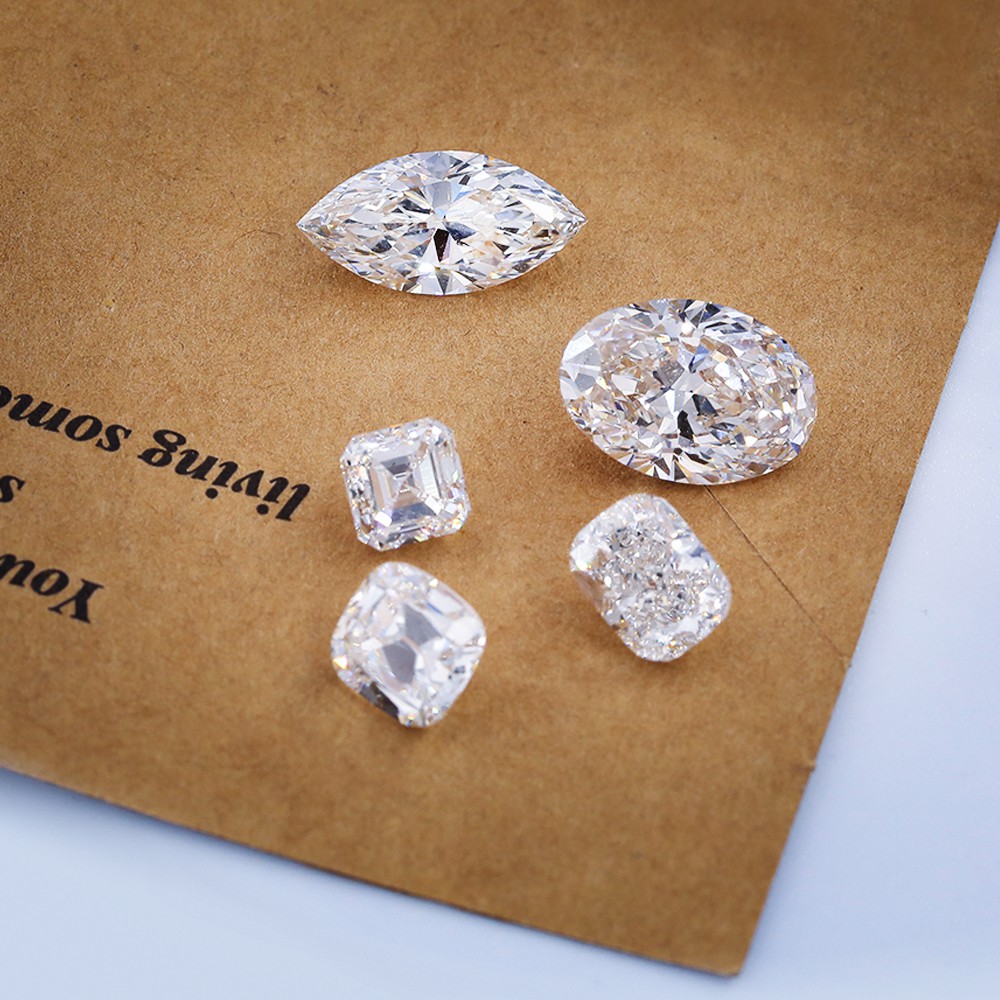
In the past few years, the popularity of lab-grown diamonds continued to rise, attracting a lot of capital. Later, due to overcapacity in the upstream and insufficient penetration in the downstream, there was no strong brand support. Therefore, it cannot be ignored that the lab-grown diamond market still faces huge challenges. test. The industry has affirmed that cultivated diamonds have unique and excellent properties in optical, thermal, electrochemical and semiconductor application fields. However, due to production cost constraints, product prices are on the high side. Many fields are still in the research and development stage and have not been fully and widely used. In the future, the industry will further develop high-purity cultivated diamonds and trace element doping technology, conduct in-depth research on the application of cultivated diamonds in the industrial field, and provide customers with products with special properties and higher cost performance. Shao Zengming also put forward his point of view.
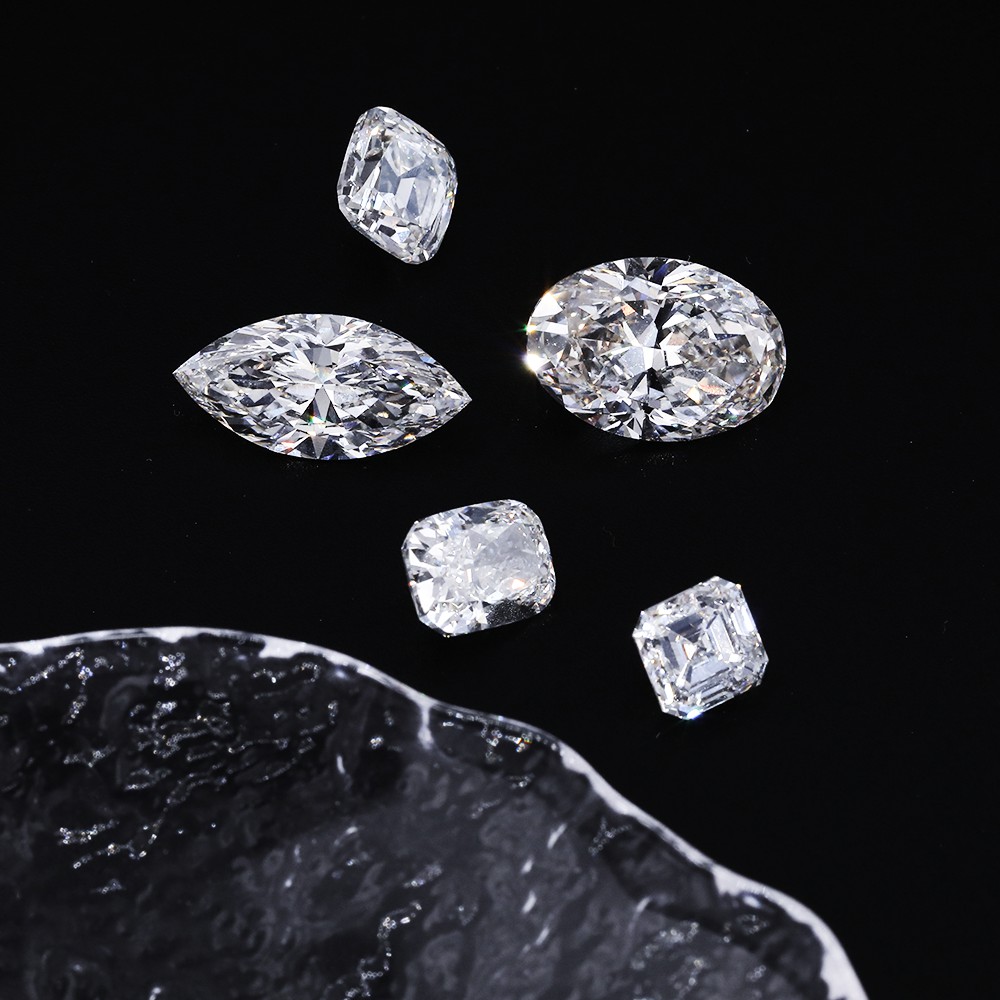
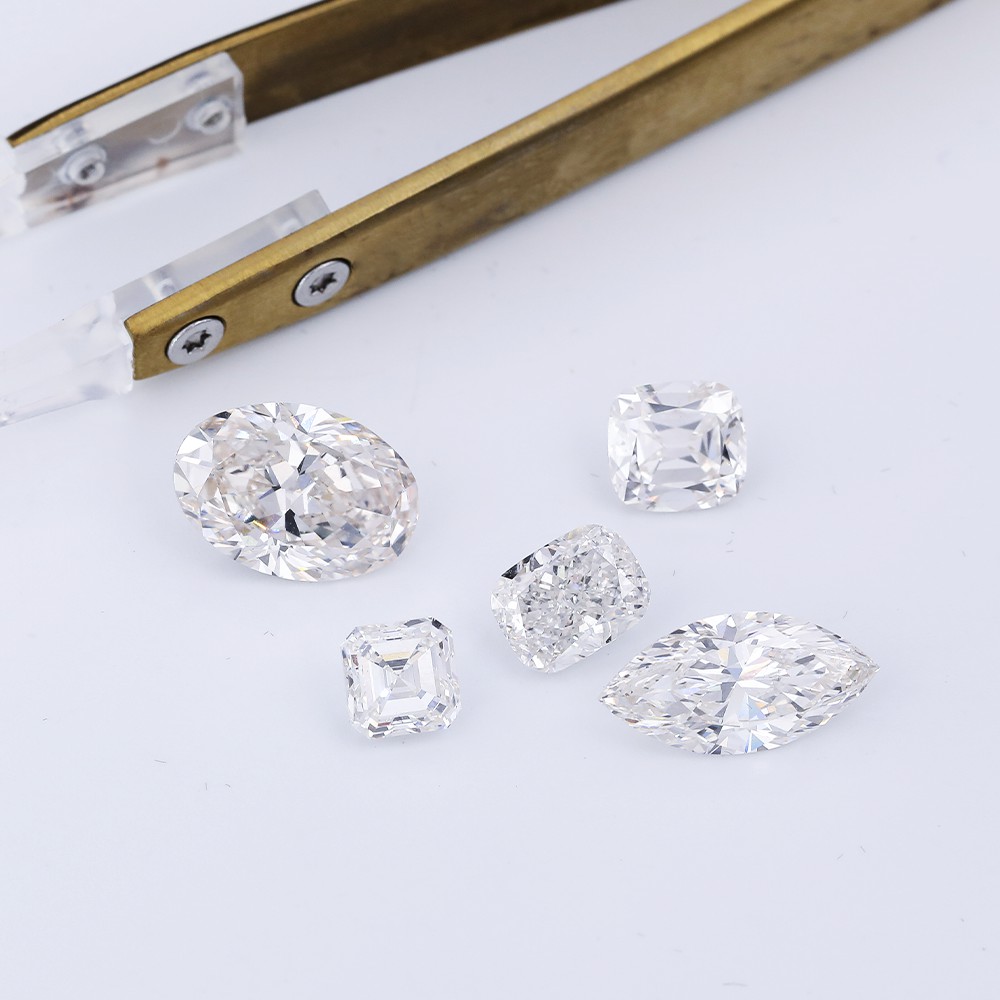
With the popularity of social platforms and the promotion of various marketing activities, consumers’ awareness and recognition of lab-grown diamonds are gradually increasing. Taking Xiaohongshu as an example, the number of notes related to the search keyword "cultured diamonds" is more than 350,000. This has played a great role in promoting the expansion of the lab-grown diamond market and the growth of demand. In addition, as people pay more attention to environmental protection and sustainability, the environmental protection of lab-grown diamonds will attract more consumers. Lab-grown diamond companies can meet consumer demand for high-quality, environmentally friendly and sustainable diamond jewelry by improving product quality and service levels. At the same time, we pay attention to the needs of the new generation of consumers for personalized customization to meet people's personalized needs.
Looking to the future, with the continuous improvement of CVD technology and the continuous growth of market demand, the cultivated diamond industry will usher in a broader development space. From the perspective of environmental protection and sustainable development, cultivated diamonds will also become an important development direction of the jewelry industry. Let us look forward to this day together, witness the beauty and possibilities that CVD diamonds bring to mankind, and realize true diamond freedom.
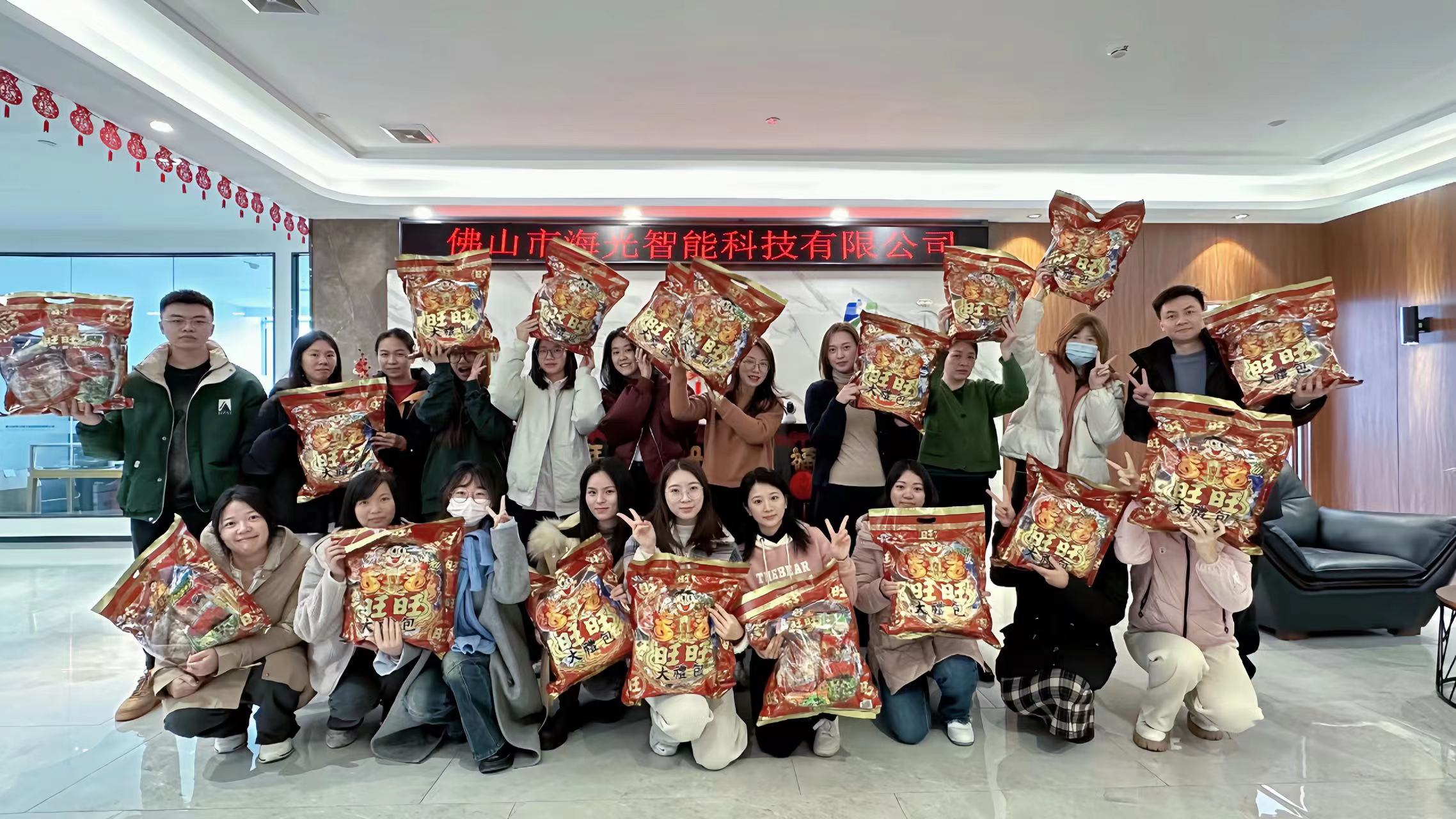
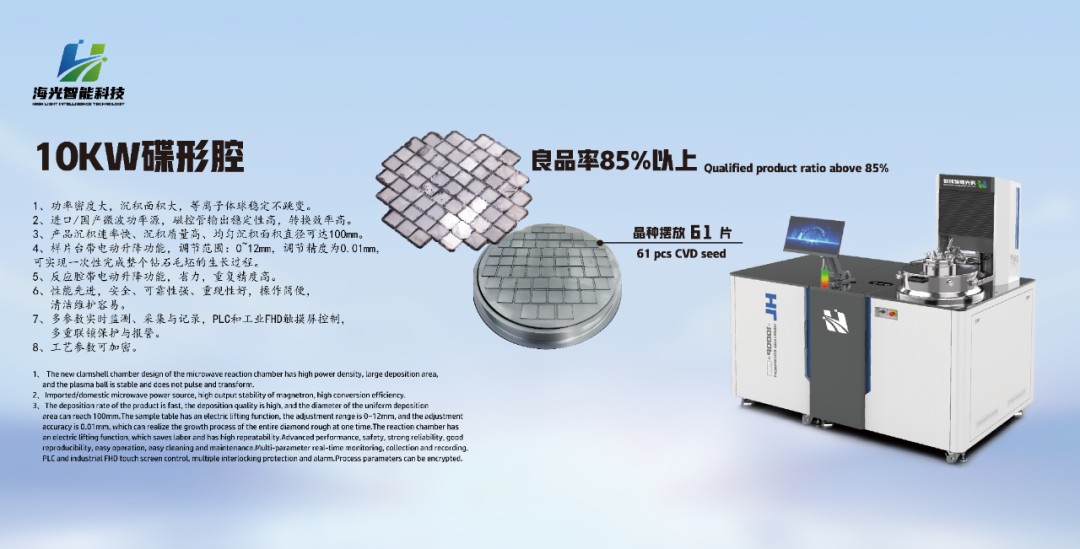
As an MPCVD diamond production supplier, High Light Intelligence Technology is developing rapidly in the cultivated diamond industry. We also provide diamond products to major commercial customers and academic researchers, contributing to industry.









-

CVD Single-Crystal Diamonds: An Analysis of the Complete Processing Workflow from Gas-Phase Deposition to Finished Diamond Chips
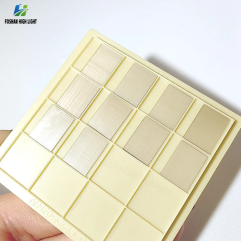
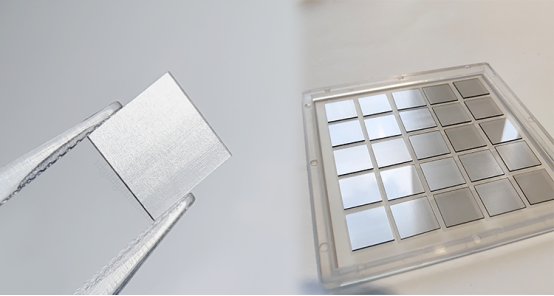
MPCVD (Microwave Plasma Chemical Vapor Deposition) technology is currently the core process for producing high-quality single-crystal diamond s. Thanks to its advantages of low defect rates, high purity, and controllable large dimensions, it is widely used in fields such as semiconductor heat dissipation, precision optics, and high-end sensors. The final quality of single-crystal diamond s depends on comprehensive process control throughout the entire workflow—from vapor deposition growth to pos
-
Single-Crystal or Polycrystalline Diamond — Which Has Greater Potential?
As diamond continues to enter industries such as semiconductors, thermal management, optics, high-power electronics, and precision machining, the requirements for diamond materials are also evolving.
-
Diamond Polishing and Grinding Processes: Core Challenges and Industry Hurdles
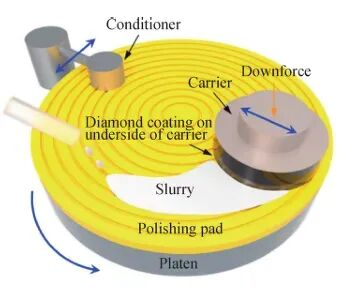
Diamond is often hailed as the “ultimate material” – ranking 10 on the Mohs hardness scale, boasting an ultra‑high thermal conductivity (~2,200 W/(m·K)), excellent chemical stability, and broad optical transparency. These properties make it irreplaceable in cutting‑edge applications such as semiconductor heat dissipation, high‑end optics, and quantum chips. Yet the paradox of “good materials are hard to process” is nowhere more evident than in diamond. From rough grinding for planarization to at
-
Single-Crystal vs Polycrystalline CVD Diamond: Process Difference Lies in Growth Logic, Not Equipment
The process difference between single crystal and polycrystalline CVD diamond lies not in equipment, but in growth logic. Single crystal and polycrystalline CVD diamond are two functional new materials with completely independent growth mechanisms, lattice structures and performance systems. Their process logic, product features and application boundaries diverge fundamentally from the very start of deposition and growth. Comparing or selecting materials without considering their underlying crys