- 中文
- English
- Español
How to perform daily maintenance and maintenance of MPCVD equipment?
2024-02-28 10:00:47
Click:
“
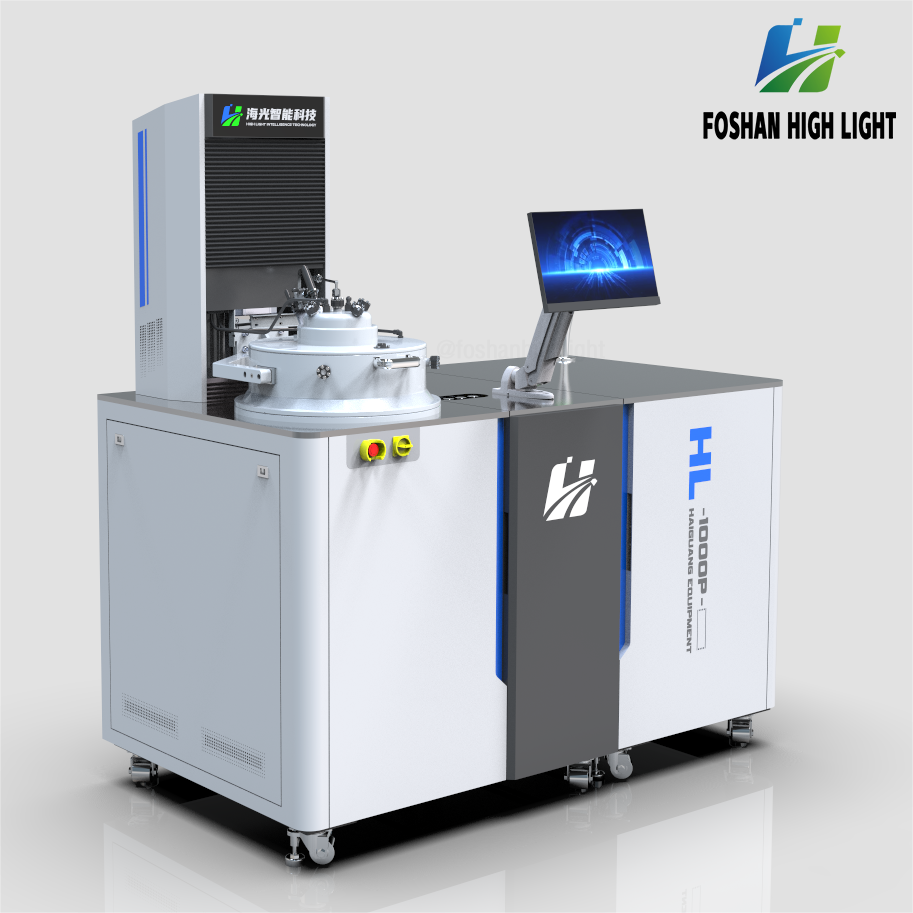
MPCVD (Microwave Plasma Chemical Vapor Deposition) equipment is an important equipment for preparing high-quality, high-purity crystal materials. Maintenance of MPCVD equipment is crucial to ensure normal operation of the equipment, extend equipment life and maintain equipment performance.
”
MPCVD (Microwave Plasma Chemical Vapor Deposition) equipment is an important equipment for preparing high-quality, high-purity crystal materials. Maintenance of MPCVD equipment is crucial to ensure normal operation of the equipment, extend equipment life and maintain equipment performance.
Regular cleaning:
Clean the MPCVD equipment regularly, including the equipment surface, internal cavity, electrodes, gas pipelines, etc. Use appropriate detergents and tools when cleaning, and avoid using cleaners that are too violent or chemically strong to avoid damage to the equipment.
Check equipment components:
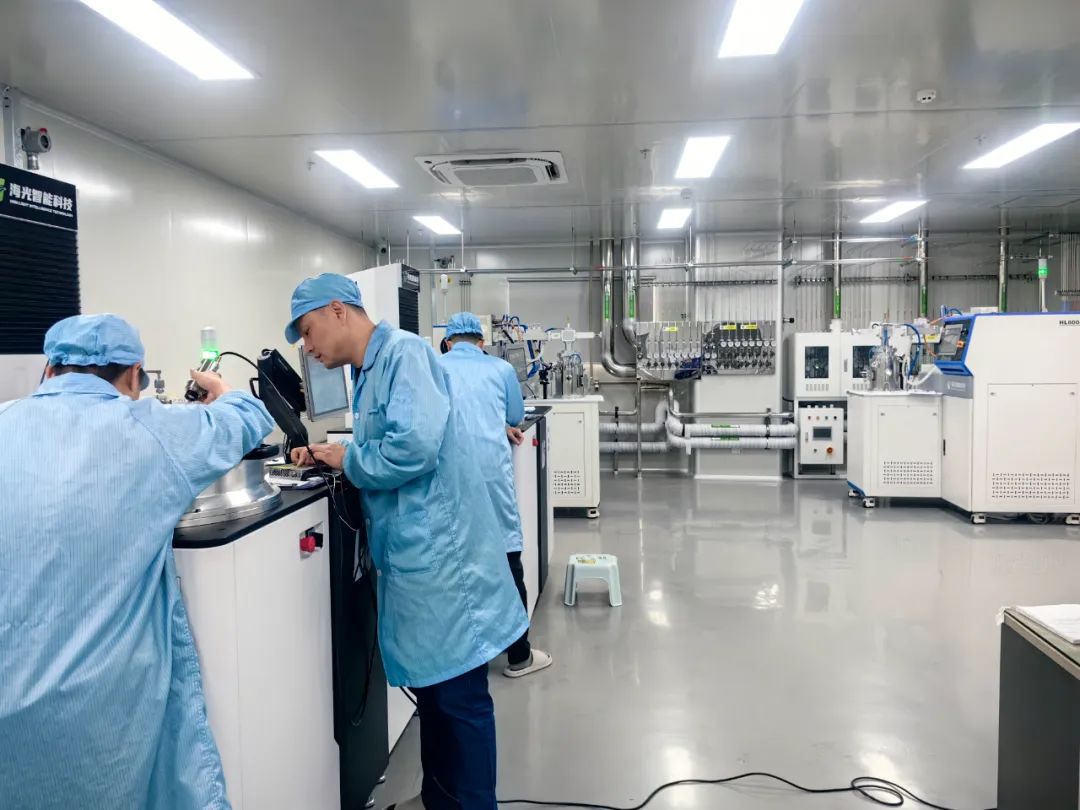
Regularly check various components of the equipment, such as microwave generators, vacuum pumps, gas flow meters, electrodes, etc., to ensure that they are in good working condition. If parts are found to be damaged or worn, they should be replaced or repaired in time.
Check the microwave system:
Check the microwave system regularly, including microwave generators, waveguides, couplers and other components. Ensure that the microwave power is stable and there are no abnormalities. If microwave leakage or power instability is found, stop the machine immediately for inspection and repair.
Maintain gas pipelines:

Check the vacuum system:
Check the vacuum system regularly, including vacuum pumps, vacuum gauges and other components. Ensure that the vacuum degree meets the requirements to avoid air leakage or insufficient vacuum degree from affecting the performance of the equipment.
Check the electrical system:
The electrical system of MPCVD equipment is also a key part to pay attention to. Cables, junction boxes, electrical components, etc. should be checked regularly to ensure their safety and reliability.
Check the cooling water system:
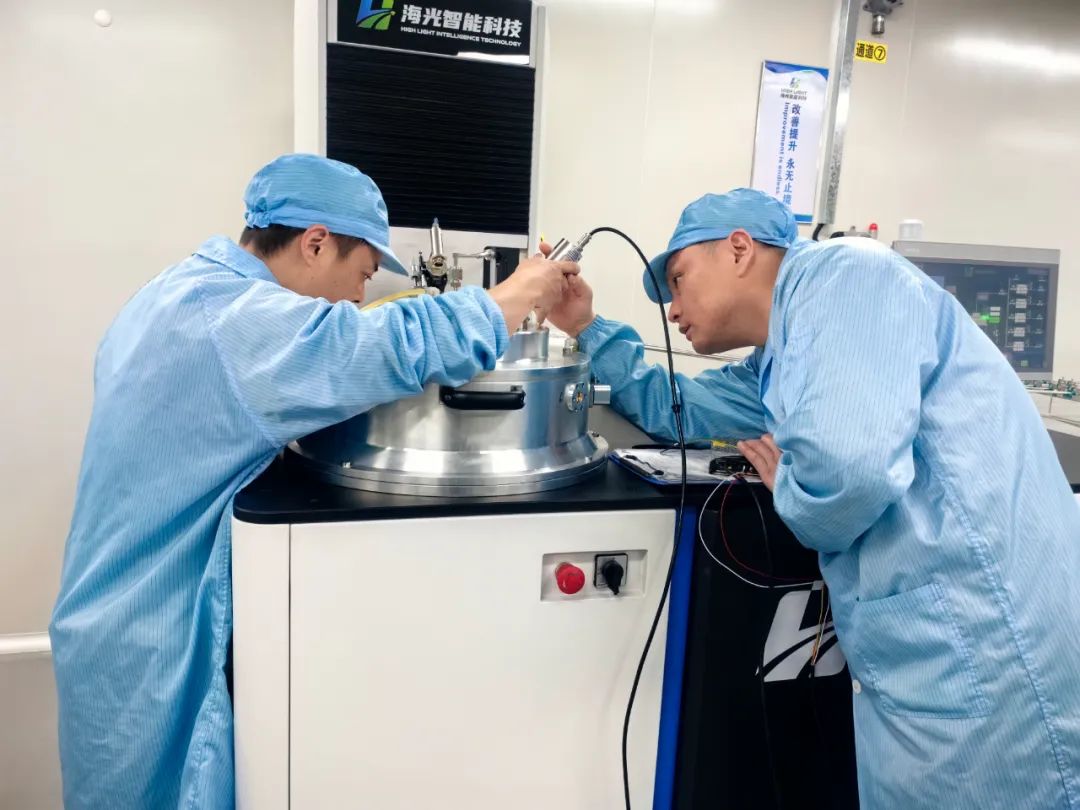
Check the exhaust system:
Clean all parts of the exhaust system regularly to remove dust and dirt to ensure proper operation. Check the operation of the fan to make sure there are no unusual noises or vibrations. Check all interfaces and connections of the exhaust system to ensure there is no air leakage. Clean the exhaust ducts and filters regularly to maintain efficient filtration.
Check the temperature control system:
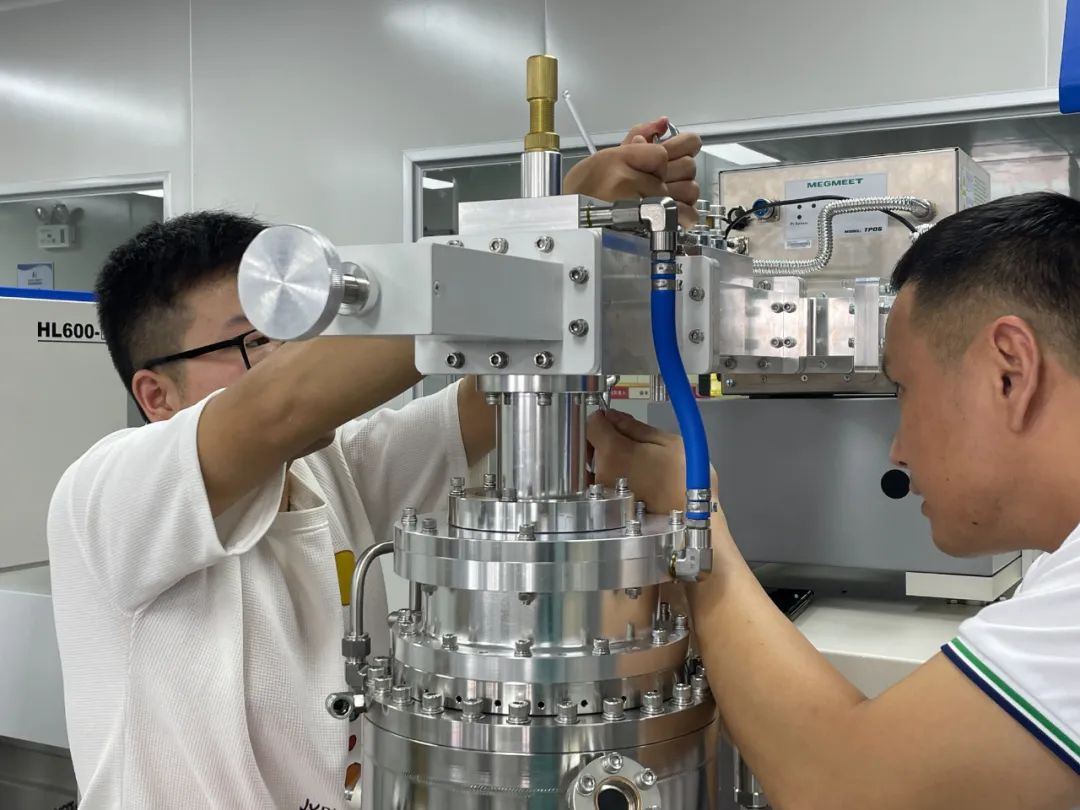
Check mechanical parts:
Regularly check the mechanical components of the equipment, such as lifting drives, transmission mechanisms, seals, etc. Make sure these parts run smoothly and are not abnormally worn or loose. If mechanical failure or abnormal wear is found, stop the machine immediately for inspection and repair.
Maintenance records:
Every time maintenance is performed, records should be kept, including the time and content of maintenance, problems discovered and their handling, etc. This helps track the operating status of the device and identify and resolve problems in a timely manner.
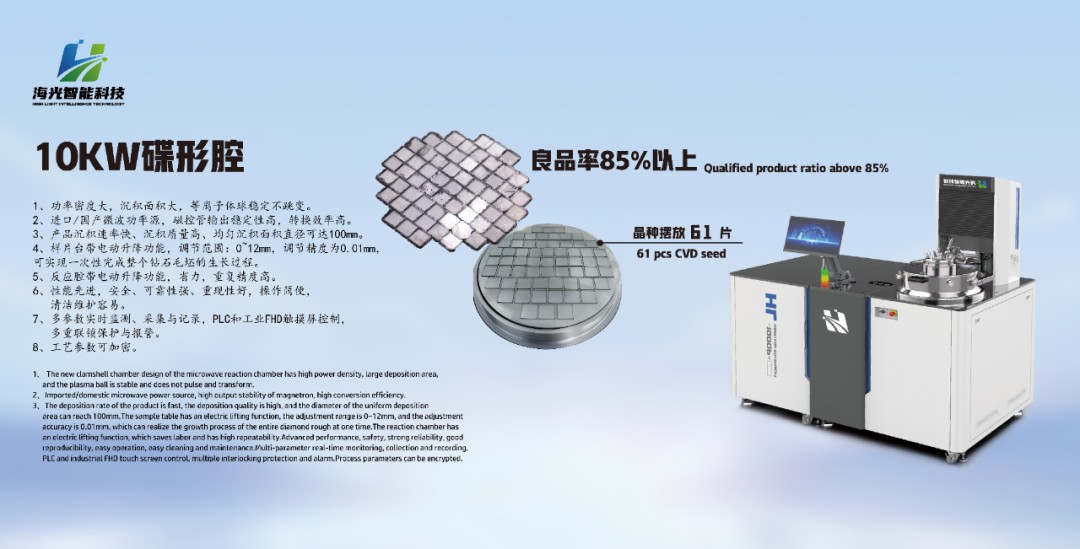
In short, the daily maintenance and upkeep of MPCVD equipment needs to be carried out regularly, comprehensively and meticulously. Through reasonable maintenance and upkeep measures, the normal operation and service life of the equipment can be ensured, thereby providing stable and reliable support for scientific research and production. It should be noted that the maintenance of MPCVD equipment should be carried out by professionals. Non-professionals may not know enough about the structure and working principle of the equipment, which may cause equipment damage or safety hazards. Therefore, it is recommended that equipment users establish a complete maintenance system and perform regular maintenance on equipment to ensure the normal operation and service life of the equipment.










-

CVD Single-Crystal Diamonds: An Analysis of the Complete Processing Workflow from Gas-Phase Deposition to Finished Diamond Chips
MPCVD (Microwave Plasma Chemical Vapor Deposition) technology is currently the core process for producing high-quality single-crystal diamond s. Thanks to its advantages of low defect rates, high purity, and controllable large dimensions, it is widely used in fields such as semiconductor heat dissipation, precision optics, and high-end sensors. The final quality of single-crystal diamond s depends on comprehensive process control throughout the entire workflow—from vapor deposition growth to pos
-
Single-Crystal or Polycrystalline Diamond — Which Has Greater Potential?
As diamond continues to enter industries such as semiconductors, thermal management, optics, high-power electronics, and precision machining, the requirements for diamond materials are also evolving.
-
Diamond Polishing and Grinding Processes: Core Challenges and Industry Hurdles
Diamond is often hailed as the “ultimate material” – ranking 10 on the Mohs hardness scale, boasting an ultra‑high thermal conductivity (~2,200 W/(m·K)), excellent chemical stability, and broad optical transparency. These properties make it irreplaceable in cutting‑edge applications such as semiconductor heat dissipation, high‑end optics, and quantum chips. Yet the paradox of “good materials are hard to process” is nowhere more evident than in diamond. From rough grinding for planarization to at
-
Single-Crystal vs Polycrystalline CVD Diamond: Process Difference Lies in Growth Logic, Not Equipment
The process difference between single crystal and polycrystalline CVD diamond lies not in equipment, but in growth logic. Single crystal and polycrystalline CVD diamond are two functional new materials with completely independent growth mechanisms, lattice structures and performance systems. Their process logic, product features and application boundaries diverge fundamentally from the very start of deposition and growth. Comparing or selecting materials without considering their underlying crys