- 中文
- English
- Español
Warm congratulations to our company for winning multiple national patents
2024-04-16 09:12:30
Click:
“
Recently, exciting news came from High Light Intelligence Technology. The company has successfully obtained a number of national patent certifications, including MPCVD (Microwave Plasma Chemical Vapor Deposition) and diamond deposition equipment patents. This achievement marks High Light Intelligence Technology’s advancement in technology. Major breakthroughs have been made in the field of innovation, demonstrating the company's strong R&D strength and technological innovation level.
”
Recently, exciting news came from High Light Intelligence Technology. The company has successfully obtained a number of national patent certifications, including MPCVD (Microwave Plasma Chemical Vapor Deposition) and diamond deposition equipment patents. This achievement marks High Light Intelligence Technology’s advancement in technology. Major breakthroughs have been made in the field of innovation, demonstrating the company's strong R&D strength and technological innovation level.

Invention Patent:
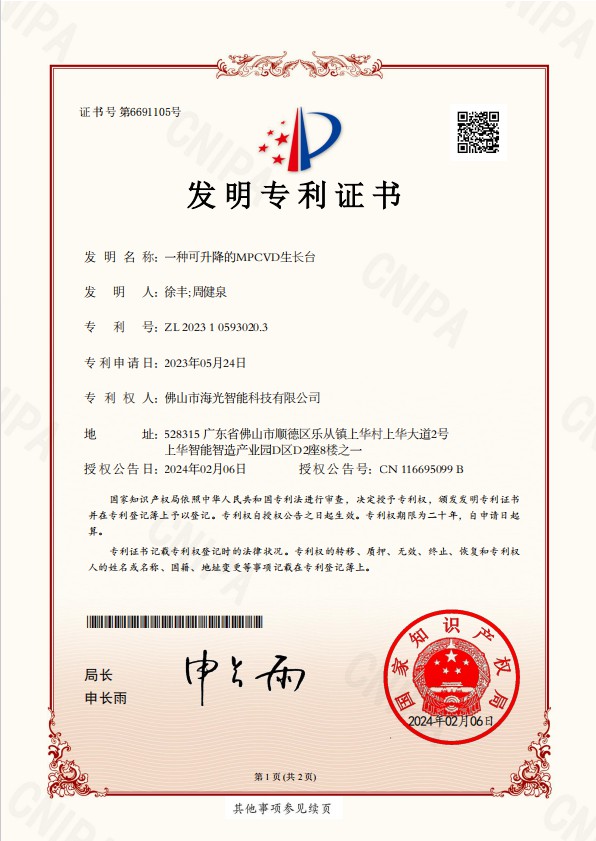
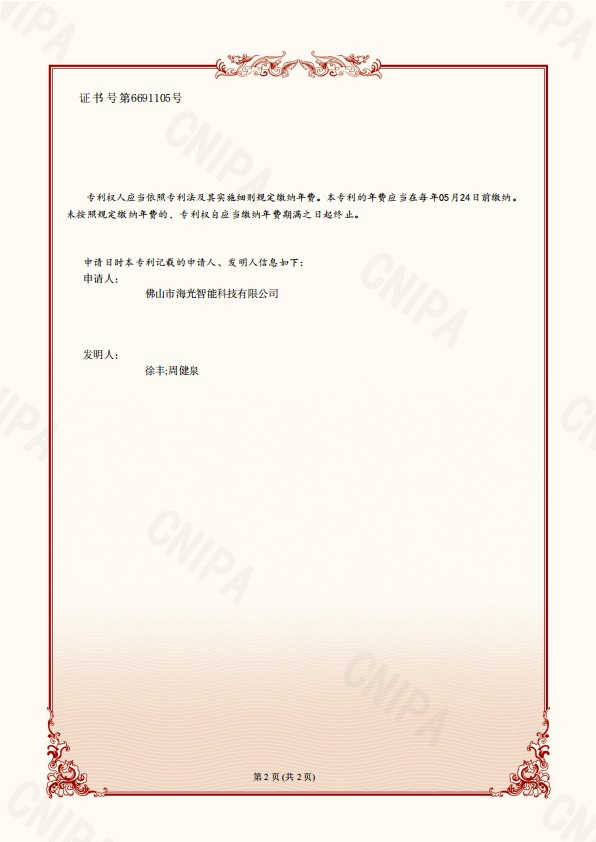
The invention discloses a liftable MPCVD growth platform, which includes a bottom plate, a lifting drive device, a sealing cover and a plate, a water-cooling component and other components. The sealing cover is connected with the driving device and together with the sealing plate forms a reaction chamber. The diamond growth stage is set on the lower sealing plate and is equipped with a lifting slot and a positioning ring. The driving device is connected to the positioning ring, and the water-cooling component cools the positioning ring. During the growth process, the distance between the sample diamond and the plasma can be adjusted through the driving device to avoid overheating and ensure continuous diamond growth and high-quality deposition.
Utility Model Patent Certificate:
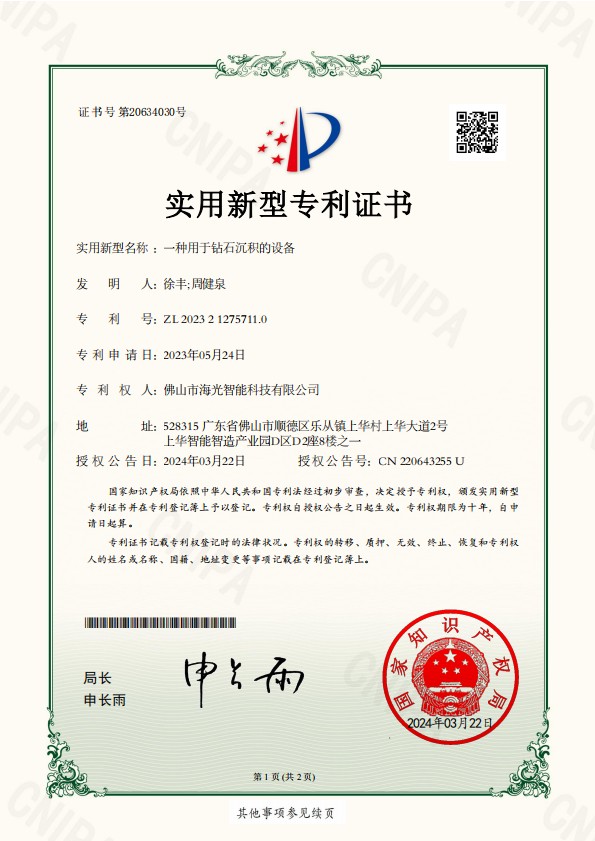
This utility model innovatively designs a special equipment for diamond deposition technology. The equipment includes a mounting base, a base, a top cover and a lifting drive device. The base and driving device are firmly installed on the top of the mounting base. The moving end of the driving device is provided with a clamping piece, and a space is left inside the clamping piece to fix the top cover. The clamping member is located directly above the base, and the top cover and the base are closed and separated through a driving device to form a reaction chamber. This design avoids the problems of uneven force and easy damage to the base caused by the reversible top cover in traditional technology, and ensures the stability and durability of the reaction chamber.
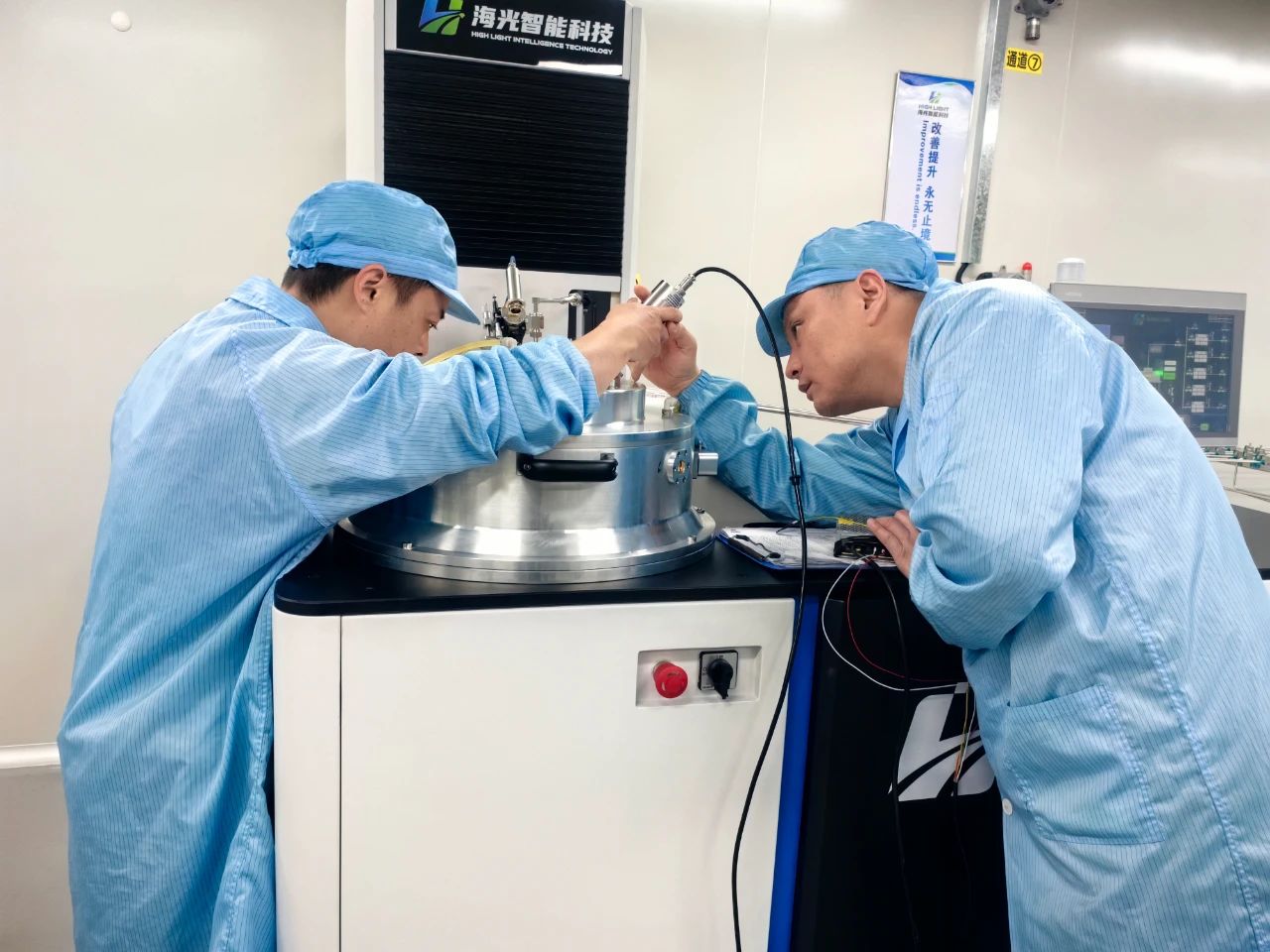
The reason why High Light Intelligence Technology has obtained these national patent certifications is the company's persistence and investment in technological innovation for many years. The company has a high-quality R&D team with strong R&D capabilities and innovation capabilities. At the same time, the company also focuses on cooperation and exchanges with well-known domestic and foreign enterprises and scientific research institutions, and continuously introduces advanced technology and management experience, providing a strong guarantee for the company's innovative development.
More patent certifications from High Light Intelligence Technology:
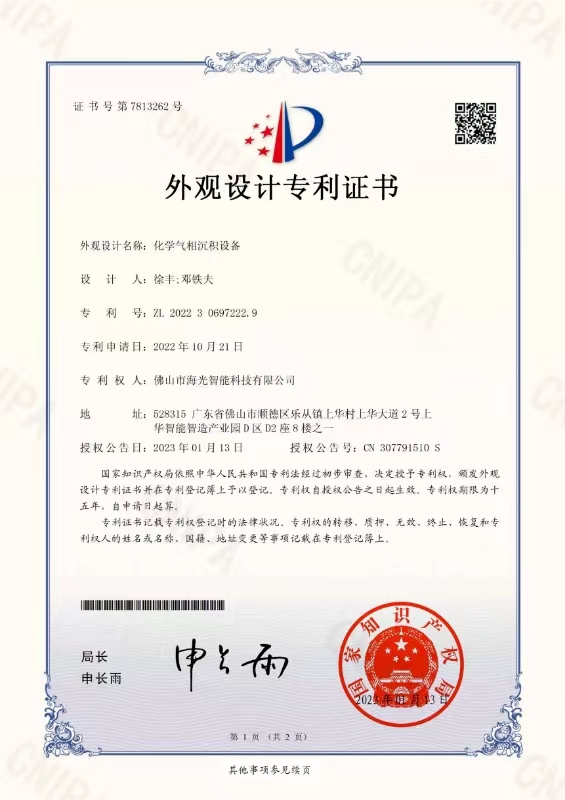
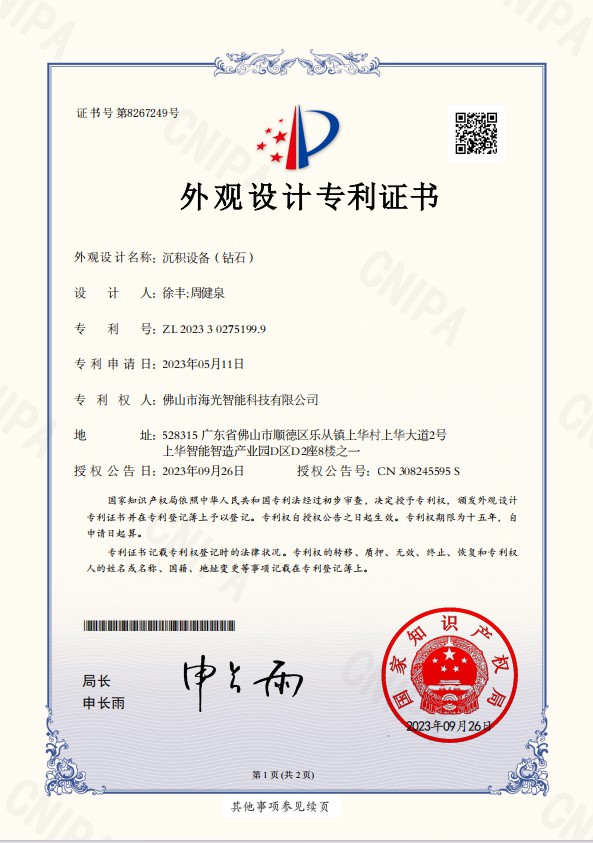
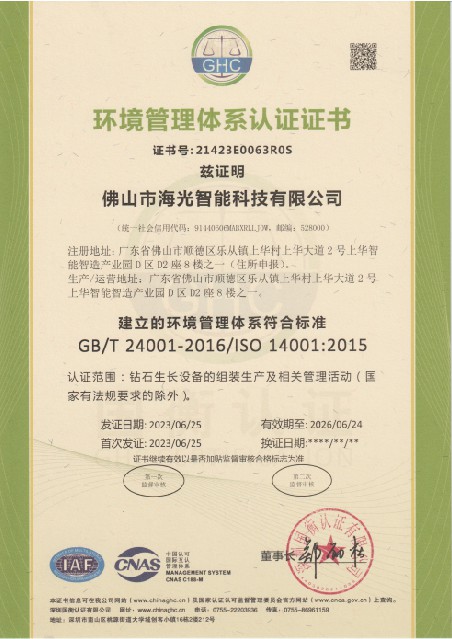
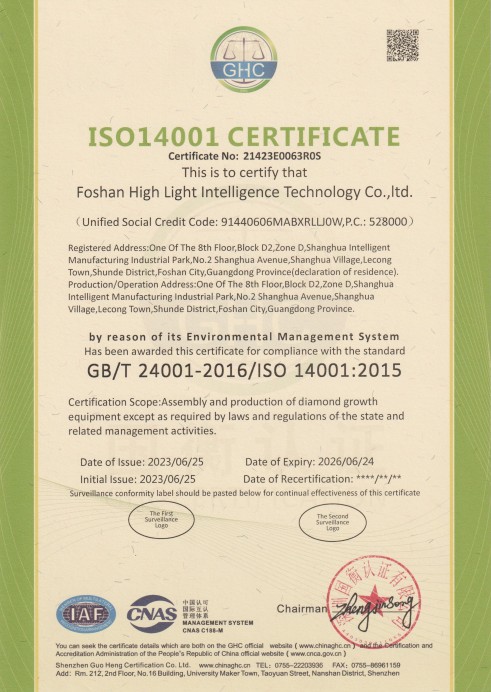
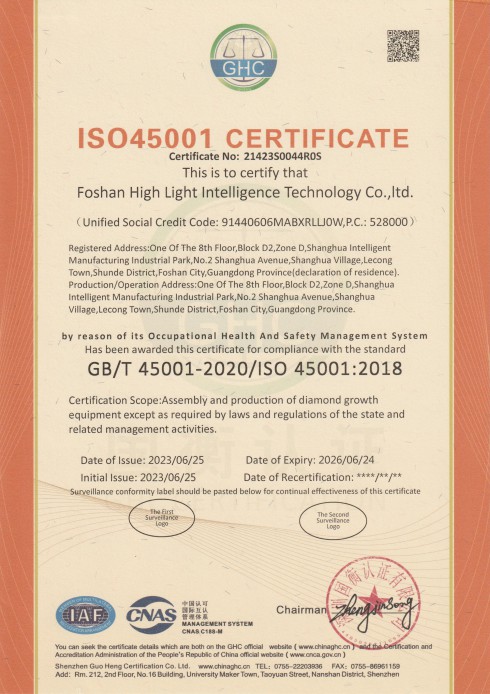
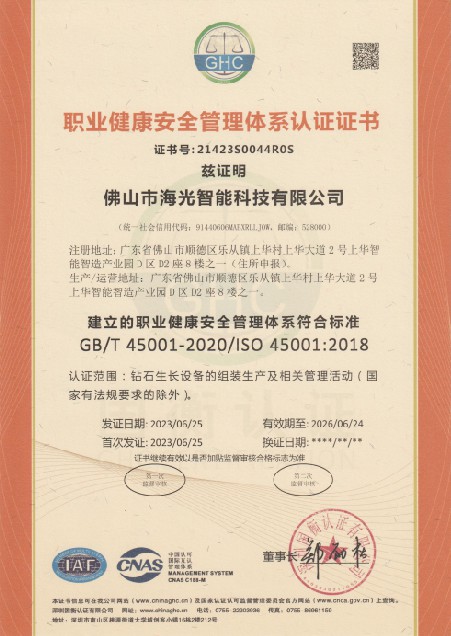
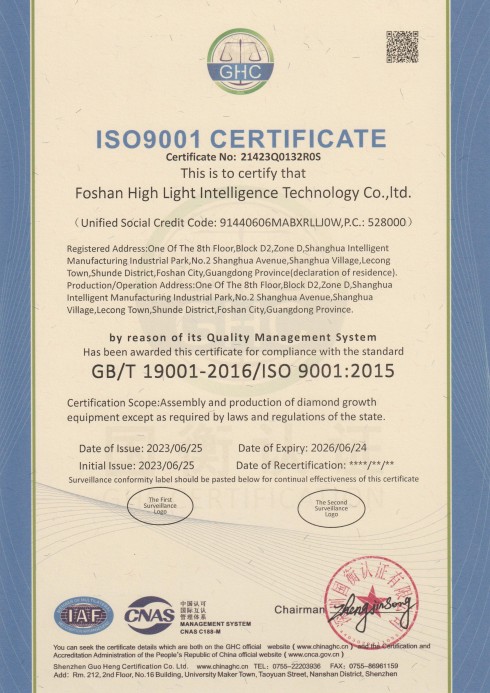
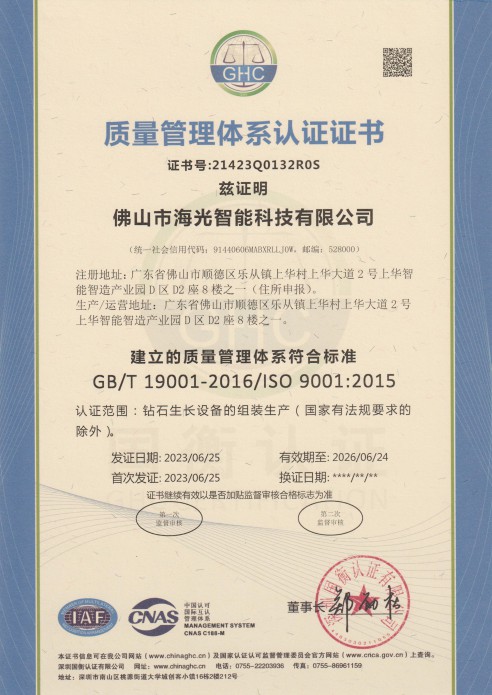
Winning multiple national-level patent certifications this time is not only recognition of High Light Intelligence Technology’s R&D capabilities, but also an affirmation of the company’s future development potential. It is believed that with the company's continuous efforts, High Light Intelligence Technology will continue to achieve more breakthroughs in the field of scientific and technological innovation and make greater contributions to promoting the prosperity and development of my country's scientific and technological undertakings.
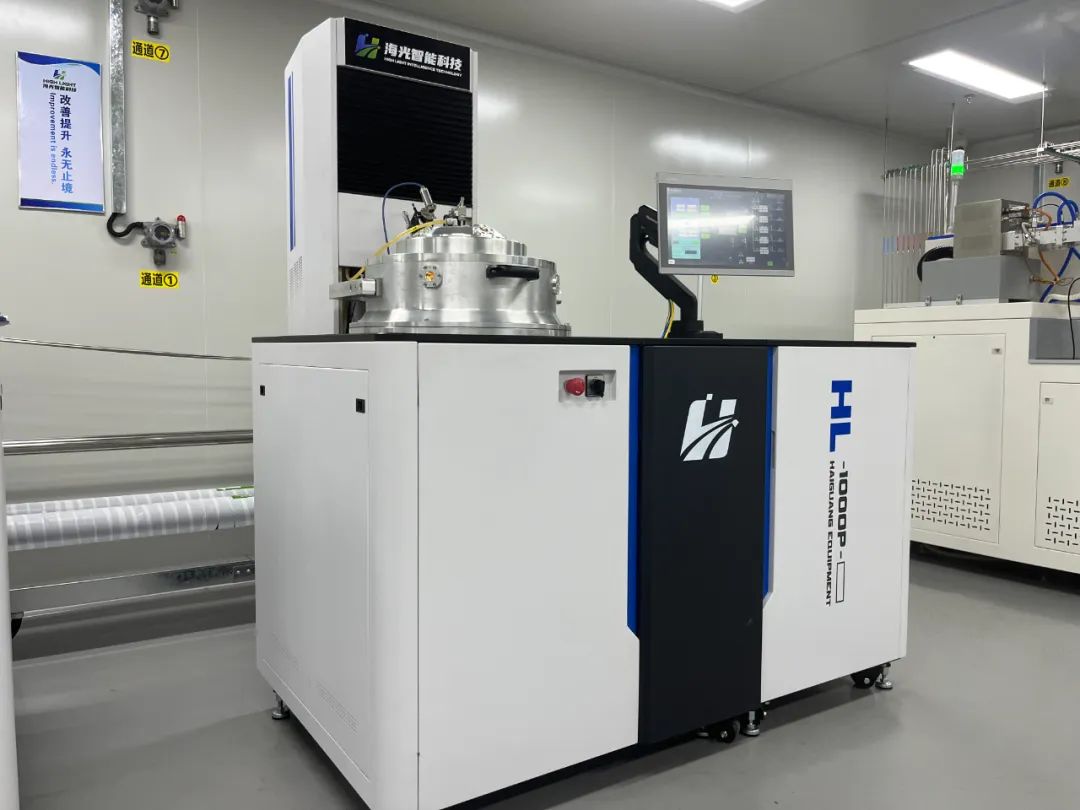
With MPCVD technology as its core, High Light Intelligence Technology has long been committed to the R&D and manufacturing of high-quality diamond materials and related equipment. It has advanced MPCVD equipment, laser processing equipment and precision polishing equipment. High Light Intelligence Technology's MPCVD technology equipment can produce high-quality diamond, thereby helping to improve the performance of integrated circuits. Our products and services are designed to provide customers with the best solutions to meet their needs for high quality diamond and integrated circuit performance.









-

Single-Crystal vs Polycrystalline CVD Diamond: Process Difference Lies in Growth Logic, Not Equipment
The process difference between single crystal and polycrystalline CVD diamond lies not in equipment, but in growth logic. Single crystal and polycrystalline CVD diamond are two functional new materials with completely independent growth mechanisms, lattice structures and performance systems. Their process logic, product features and application boundaries diverge fundamentally from the very start of deposition and growth. Comparing or selecting materials without considering their underlying crys
-
From Lab-Grown Diamonds to Industrial Diamonds: Is It Time to Build an MPCVD Factory?
The lab-grown diamond industry is entering a new stage. Over the these few years, lab-grown diamonds have gradually gained wider acceptance in the jewelry market. With the development of production technology, equipment maturity and supply chain improvement, the industry is becoming more standardized and efficient. But beyond jewelry, another opportunity is attracting more attention:Industrial diamond applications.
-
Diamond‑Copper Composite: A Next‑Generation Solution for High‑Power Electronics Thermal Management
Diamond‑copper composite (DC) is an advanced metal‑matrix composite material consisting of diamond particles as the reinforcement phase and copper as the matrix, fabricated through state‑of‑the‑art composite preparation techniques. Diamond has the highest thermal conductivity of any naturally occurring material, with isotropic values ranging from 1200 to 2300 W/m·K. Copper, with a thermal conductivity of 401 W/m·K, ranks second only to silver among common metals. By combining the two, the compo
-
Mosaic Single‑Crystal Diamond: Breaking Size Limits
With an ultra‑wide bandgap of 5.47 eV, ultra‑high thermal conductivity (>2000 W/m·K), high carrier mobility (electron mobility up to 4500 cm²·V⁻¹·s⁻¹), and ultra‑high theoretical breakdown field strength (>10 MV/cm), Single‑Crystal Diamond (SCD) is an ideal candidate for next‑generation high‑power, high‑frequency and extreme‑environment electronic devices. However, both natural diamond and HPHT‑synthesized single‑crystal diamond are limited in lateral size, which greatly hinders large‑scal