- 中文
- English
- Español
The price reduction of lab-grown diamonds does not mean that the market demand has weakened
2024-07-12 09:34:52
Click:
“
Amid the price fluctuations in the lab-grown diamond market, a striking phenomenon is the continuous decline in wholesale prices. This change has set off a wave of heated discussions within and outside the industry. The price decline is not a warning of market weakness, but rather a sign that the market may be experiencing a positive expansion and the industry is moving towards a healthier development stage.
”
Amid the turbulence of the brilliant lab-grown diamond market, a particularly striking phenomenon has quietly emerged: wholesale prices are experiencing a continuous and steady decline. This extraordinary change, like a boulder thrown into a calm lake, has not only aroused ripples of discussion within the industry, but has also crossed boundaries and aroused widespread heated discussions and attention from all walks of life. This mild price correction is not a sign of market weakness, but rather, like the dawn, indicating that the market is entering a period of expansion full of vitality and opportunities.
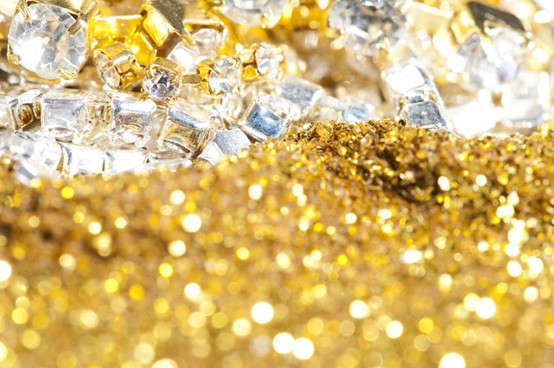
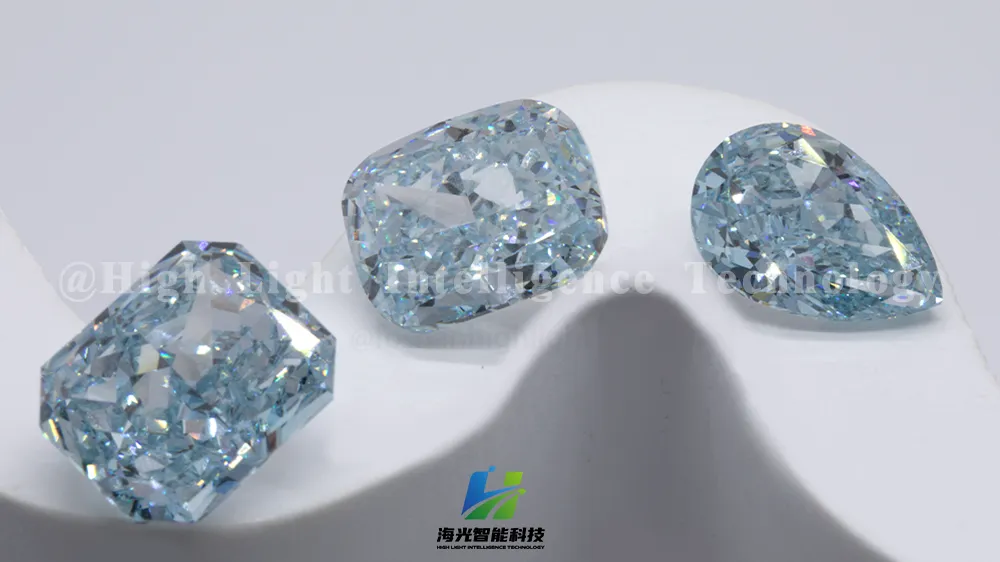
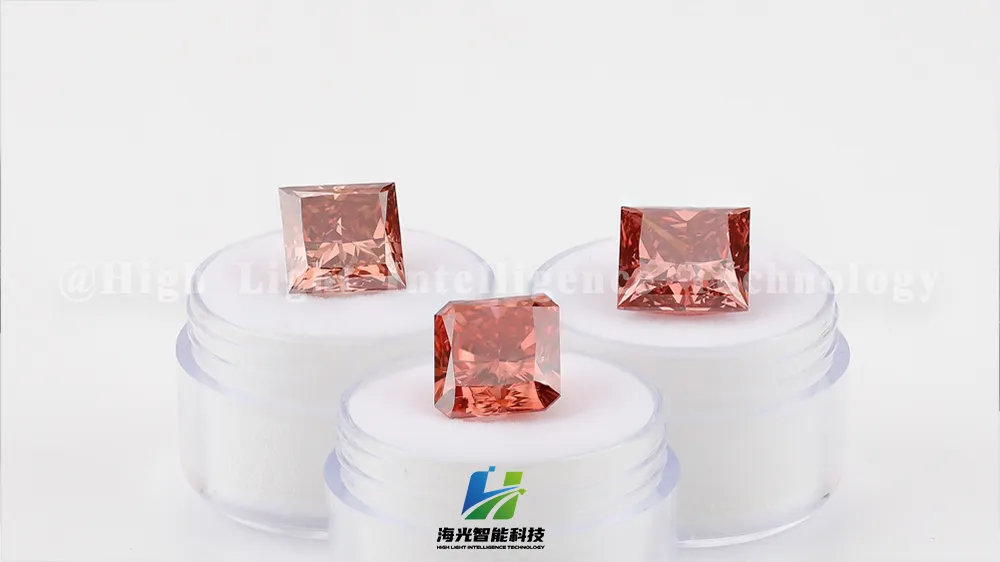
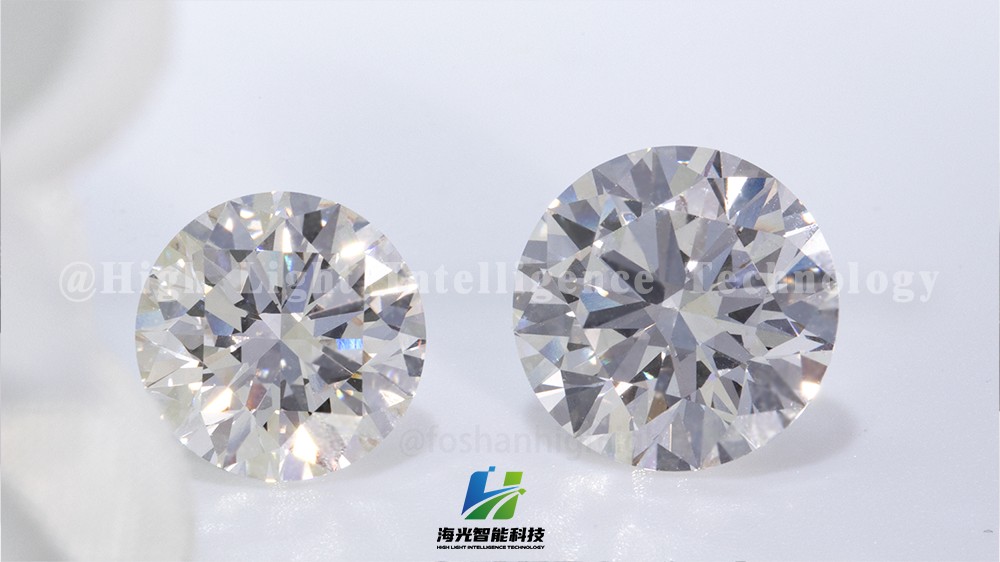
Price cuts have not led to a shrinkage of the lab-grown diamond market, but rather to further expansion. Through price adjustments, lab-grown diamonds, an emerging jewelry, have been able to reach a wider range of consumer groups, allowing them to personally experience its superiority in quality, appearance and price compared to traditional natural diamonds. As consumers gain a deeper understanding of lab-grown diamonds and become more accepting of them, market demand will grow, thereby driving the entire market forward.
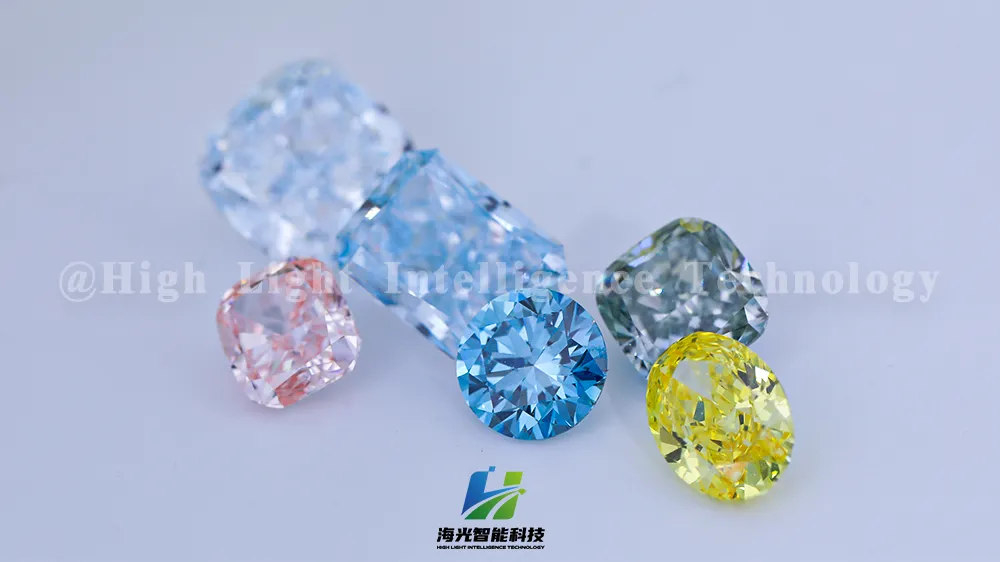
Companies should strengthen their quality and services to win the trust and loyalty of consumers, and consolidate and expand their market share. At the same time, they need to be keenly aware of market trends and changes in consumer demand, and respond flexibly to ensure market adaptability. At the industry level, they need to strengthen self-discipline, establish and implement high standards and regulations, curb unfair competition, and increase investment in technology research and development to promote innovation in lab-grown diamond technology to meet the growing market demand.









-

Single-Crystal vs Polycrystalline CVD Diamond: Process Difference Lies in Growth Logic, Not Equipment
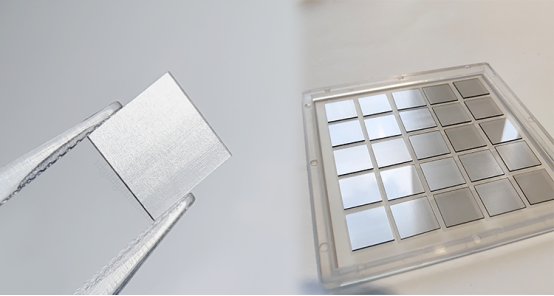
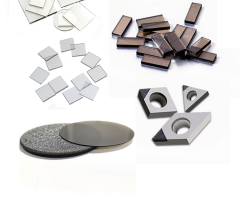
The process difference between single crystal and polycrystalline CVD diamond lies not in equipment, but in growth logic. Single crystal and polycrystalline CVD diamond are two functional new materials with completely independent growth mechanisms, lattice structures and performance systems. Their process logic, product features and application boundaries diverge fundamentally from the very start of deposition and growth. Comparing or selecting materials without considering their underlying crys
-
From Lab-Grown Diamonds to Industrial Diamonds: Is It Time to Build an MPCVD Factory?
The lab-grown diamond industry is entering a new stage. Over the these few years, lab-grown diamonds have gradually gained wider acceptance in the jewelry market. With the development of production technology, equipment maturity and supply chain improvement, the industry is becoming more standardized and efficient. But beyond jewelry, another opportunity is attracting more attention:Industrial diamond applications.
-
Diamond‑Copper Composite: A Next‑Generation Solution for High‑Power Electronics Thermal Management
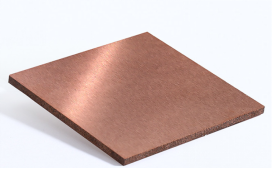
Diamond‑copper composite (DC) is an advanced metal‑matrix composite material consisting of diamond particles as the reinforcement phase and copper as the matrix, fabricated through state‑of‑the‑art composite preparation techniques. Diamond has the highest thermal conductivity of any naturally occurring material, with isotropic values ranging from 1200 to 2300 W/m·K. Copper, with a thermal conductivity of 401 W/m·K, ranks second only to silver among common metals. By combining the two, the compo
-
Mosaic Single‑Crystal Diamond: Breaking Size Limits
With an ultra‑wide bandgap of 5.47 eV, ultra‑high thermal conductivity (>2000 W/m·K), high carrier mobility (electron mobility up to 4500 cm²·V⁻¹·s⁻¹), and ultra‑high theoretical breakdown field strength (>10 MV/cm), Single‑Crystal Diamond (SCD) is an ideal candidate for next‑generation high‑power, high‑frequency and extreme‑environment electronic devices. However, both natural diamond and HPHT‑synthesized single‑crystal diamond are limited in lateral size, which greatly hinders large‑scal