- 中文
- English
- Español
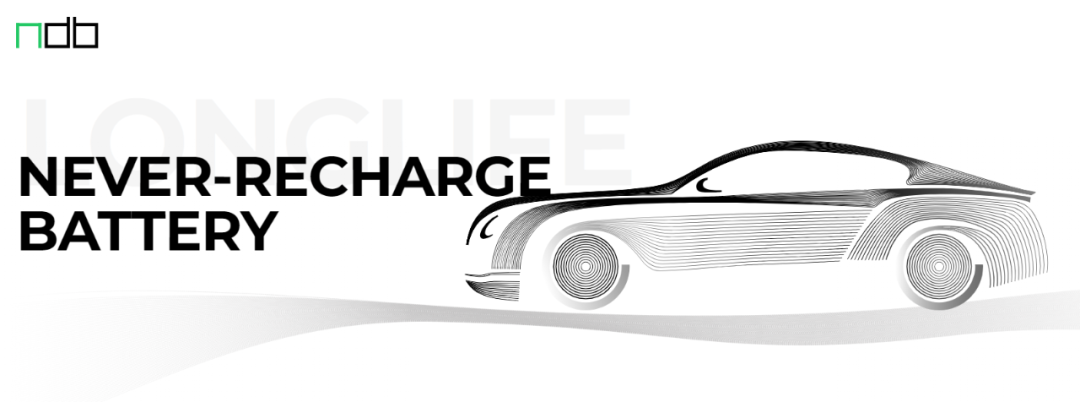
Can diamond batteries make it possible for cars to stop charging forever?
2024-07-10 09:34:12
Click:
“
In the 1990s, lithium-ion batteries began to be used on a commercial scale, triggering a revolution in our relationship with portable electronic products. After the emergence of smartphones, the impact of insufficient battery life on mobile phones has become increasingly obvious. In order to ensure the normal user experience, battery manufacturers have also been improving the lithium battery process, but the speed of battery material improvement is much lower than the speed of power consumption
”
The popularity of lithium-ion batteries in the 1990s promoted the revolution of portable electronic products, but the problem of battery life persists. In recent years, graphene batteries have shown potential as an improved version of traditional lithium batteries, while diamond batteries proposed by the US NDB company have completely overturned battery technology, using radiation energy in nuclear waste to achieve continuous power supply for up to 28,000 years, suitable for space exploration, medical implants and other fields. Despite the high production costs and public concerns about the safety of radioactive materials, its ultra-long life, high-efficiency energy conversion and safety make it an important candidate for the future energy market, and it is expected to completely change the battery industry landscape.
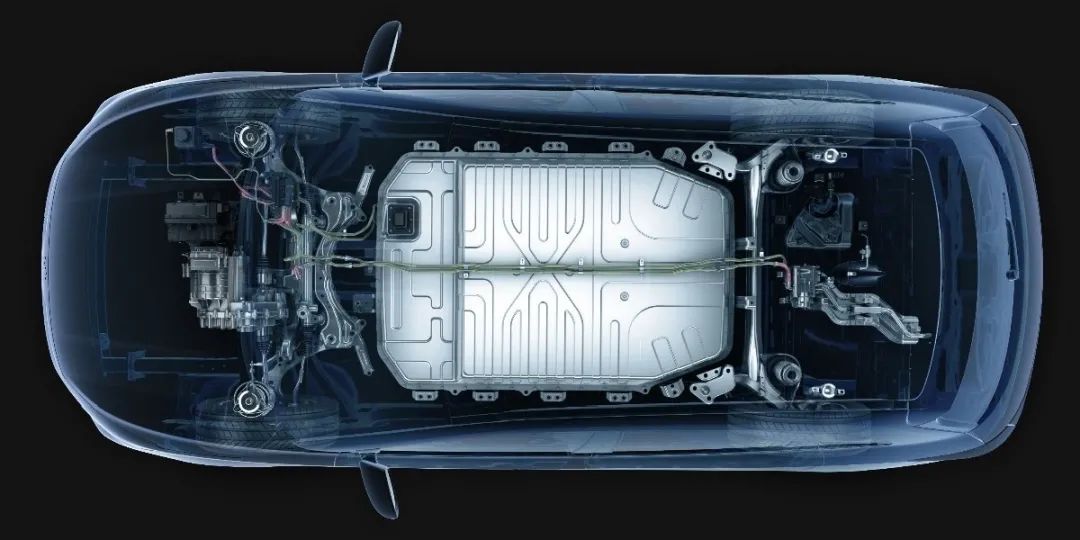
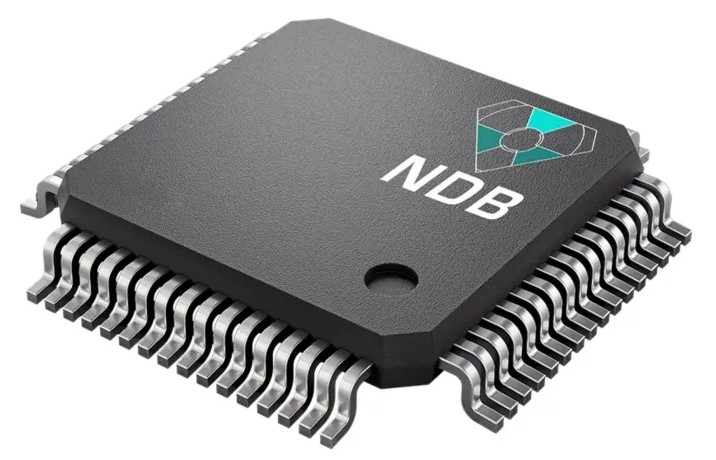
Nano Diamond Battery, an American startup, has launched a prototype diamond battery made from nuclear waste, the "Diamond Nuclear Voltaic". It uses single crystal diamond to absorb the energy of long-half-life radioactive isotopes (such as carbon-14) in nuclear waste, and releases electrons through decay to convert them into electrical energy. It can provide sustainable power for 28,000 years without replacement or charging. This technology has revolutionized long-term power demand scenarios such as space exploration, remote monitoring, and medical implants. The high thermal conductivity of diamond ensures efficient energy conversion while avoiding overheating, and its durability far exceeds that of stainless steel. The radiation safety level is lower than the natural radiation of the human body, achieving a double breakthrough in technical safety and performance.
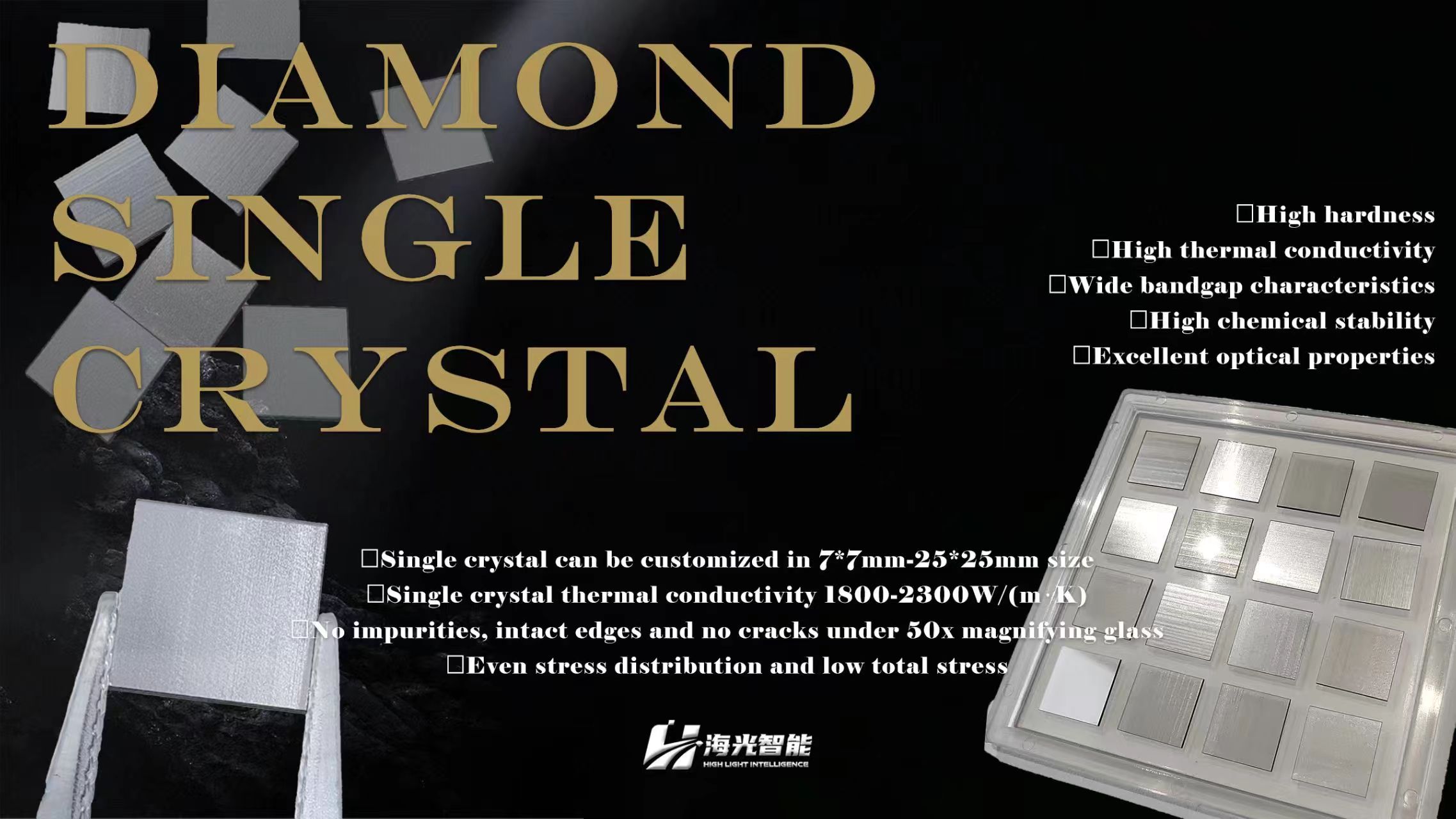
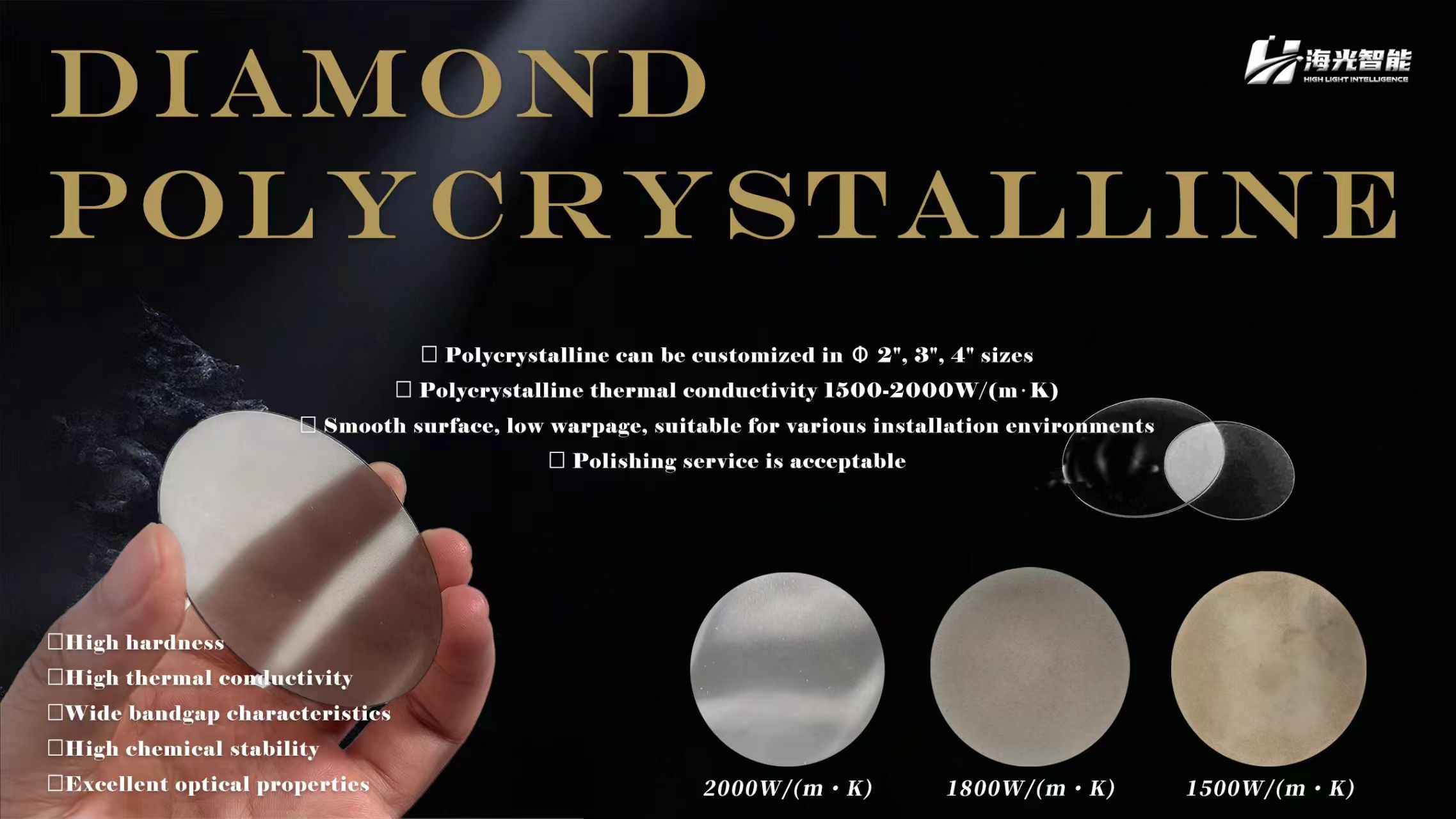
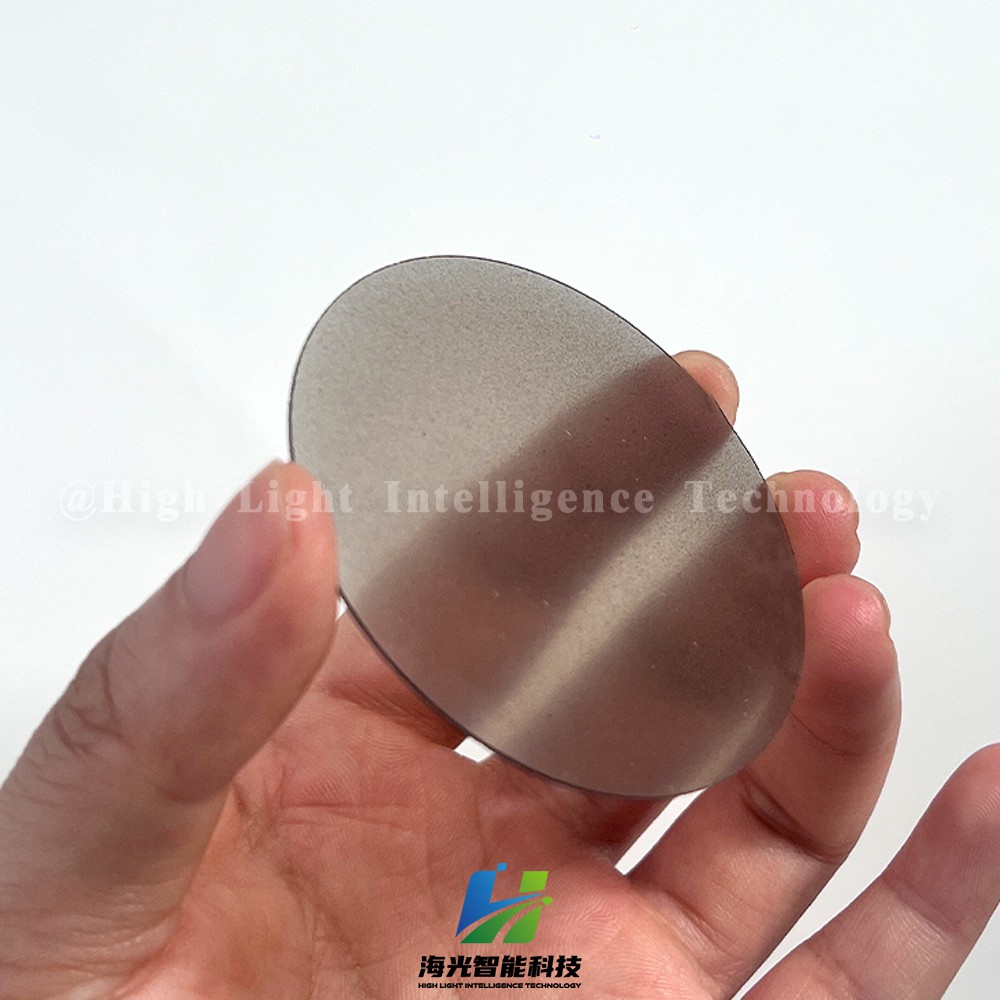
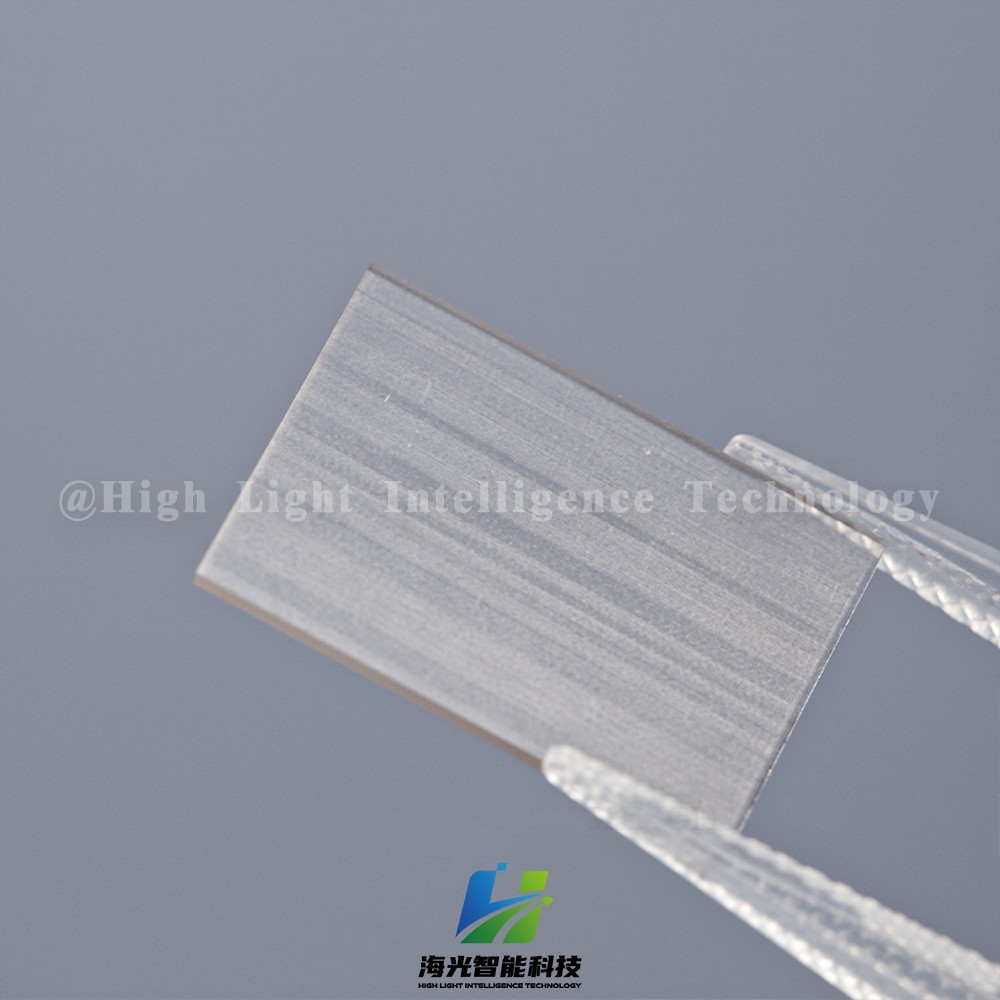
Despite the extraordinary potential of diamond batteries, the road to large-scale commercialization is still thorny, mainly due to high production costs and public concerns about the safety of radioactive materials. NDB is actively responding by optimizing production processes to reduce costs and strictly implementing testing and certification processes to ensure the safety and reliability of its products. At present, the company has successfully brought this battery to the market and is working with commercial partners including space agencies to explore its potential for application in long-term missions. As for the price, it is still a trade secret and has not been announced to the public. Looking to the future, with the continuous innovation of technology and the effective control of costs, diamond batteries are expected to become a new star in the energy field, completely subverting our traditional understanding of battery technology.
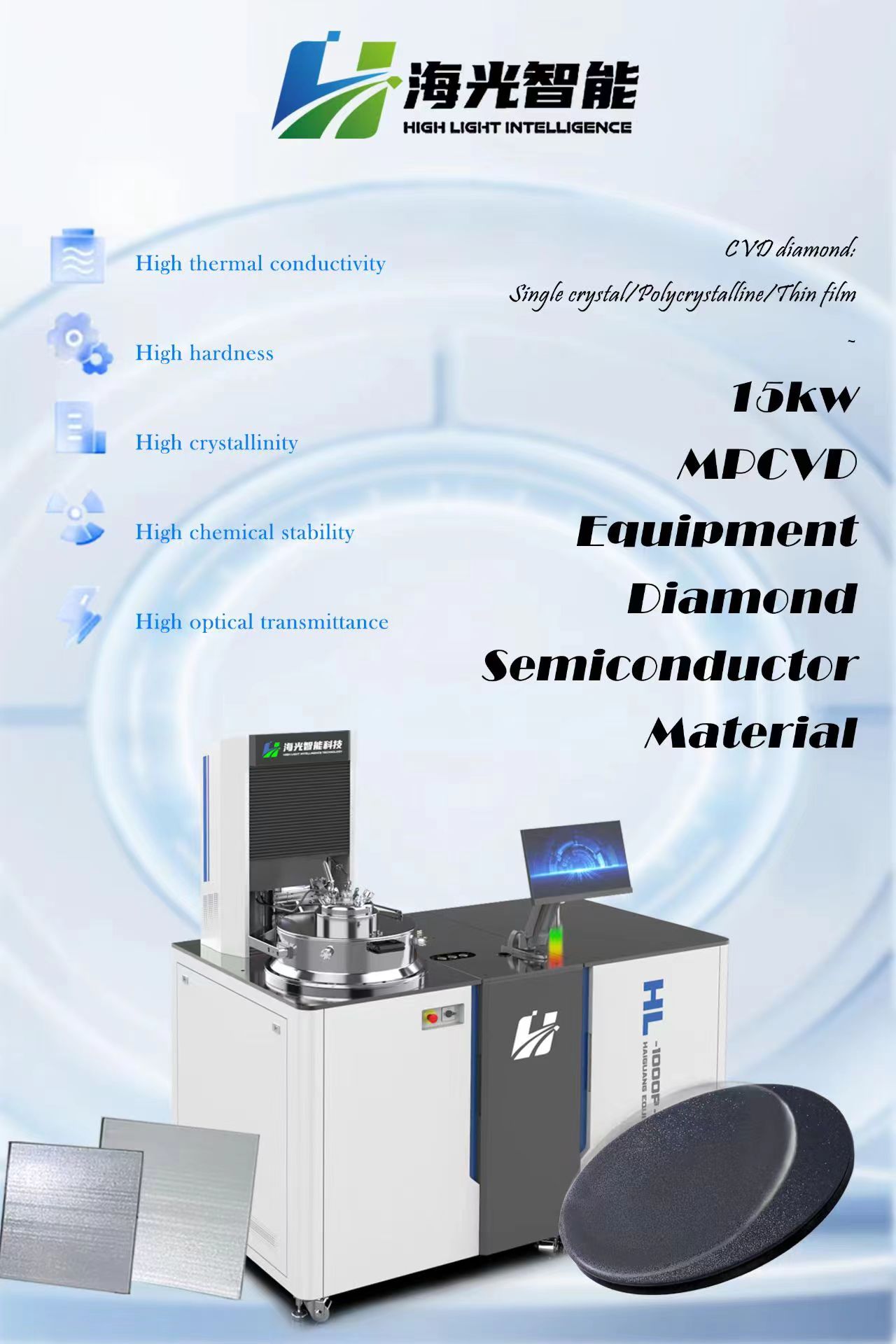









-

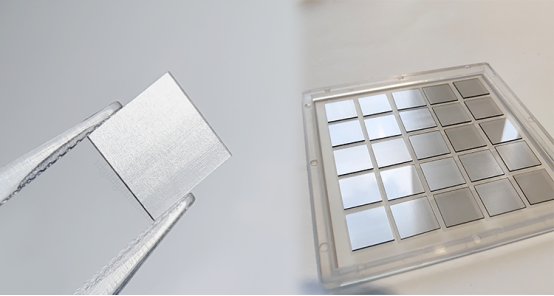
Single-Crystal vs Polycrystalline CVD Diamond: Process Difference Lies in Growth Logic, Not Equipment
The process difference between single crystal and polycrystalline CVD diamond lies not in equipment, but in growth logic. Single crystal and polycrystalline CVD diamond are two functional new materials with completely independent growth mechanisms, lattice structures and performance systems. Their process logic, product features and application boundaries diverge fundamentally from the very start of deposition and growth. Comparing or selecting materials without considering their underlying crys
-
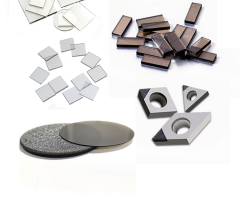
From Lab-Grown Diamonds to Industrial Diamonds: Is It Time to Build an MPCVD Factory?
The lab-grown diamond industry is entering a new stage. Over the these few years, lab-grown diamonds have gradually gained wider acceptance in the jewelry market. With the development of production technology, equipment maturity and supply chain improvement, the industry is becoming more standardized and efficient. But beyond jewelry, another opportunity is attracting more attention:Industrial diamond applications.
-
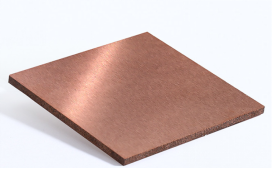
Diamond‑Copper Composite: A Next‑Generation Solution for High‑Power Electronics Thermal Management
Diamond‑copper composite (DC) is an advanced metal‑matrix composite material consisting of diamond particles as the reinforcement phase and copper as the matrix, fabricated through state‑of‑the‑art composite preparation techniques. Diamond has the highest thermal conductivity of any naturally occurring material, with isotropic values ranging from 1200 to 2300 W/m·K. Copper, with a thermal conductivity of 401 W/m·K, ranks second only to silver among common metals. By combining the two, the compo
-
Mosaic Single‑Crystal Diamond: Breaking Size Limits
With an ultra‑wide bandgap of 5.47 eV, ultra‑high thermal conductivity (>2000 W/m·K), high carrier mobility (electron mobility up to 4500 cm²·V⁻¹·s⁻¹), and ultra‑high theoretical breakdown field strength (>10 MV/cm), Single‑Crystal Diamond (SCD) is an ideal candidate for next‑generation high‑power, high‑frequency and extreme‑environment electronic devices. However, both natural diamond and HPHT‑synthesized single‑crystal diamond are limited in lateral size, which greatly hinders large‑scal