- 中文
- English
- Español
High Light Intelligence Techunology invites you to attend the China International Lab-grown Diamond Industry Innovation and Development Conference on August 8-9
2024-08-06 09:27:20
Click:
“
High Light Intelligence Technology sincerely invites you to attend the China International Lab-grown Diamond Innovation and Development Conference in Guangzhou on August 8-9, 2024. As leaders, we gather together for the grand event and look forward to the glory of the industry. The conference is themed "Technology Leads, Brilliant Bloom", bringing together upstream and downstream of the industry chain, experts and leaders.
”

In this era full of innovation and opportunities, High Light Intelligence Technology sincerely invites you to participate in the China International Cultured Diamond Industry Innovation and Development Conference to be held in Guangzhou from August 8 to 9, 2024. As a leader in the industry, we look forward to working with you to jointly explore the brilliant future of the lab-grown diamond industry. With the theme of "Technology Leading, Brilliant Bloom", this conference brings together upstream and downstream enterprises, well-known experts and scholars, and industry leaders in the lab-grown diamond industry chain at home and abroad. The conference will showcase the latest achievements and future trends of the lab-grown diamond industry through a series of exciting activities, including industry exhibitions and exchanges, trade fairs, industry awards selection, lab-grown diamond jewelry design competitions, etc.
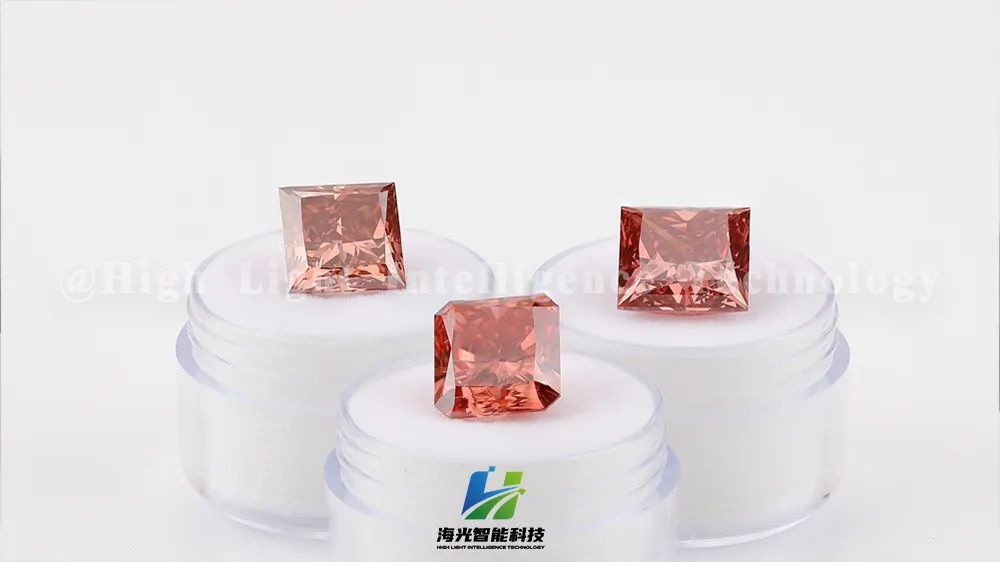
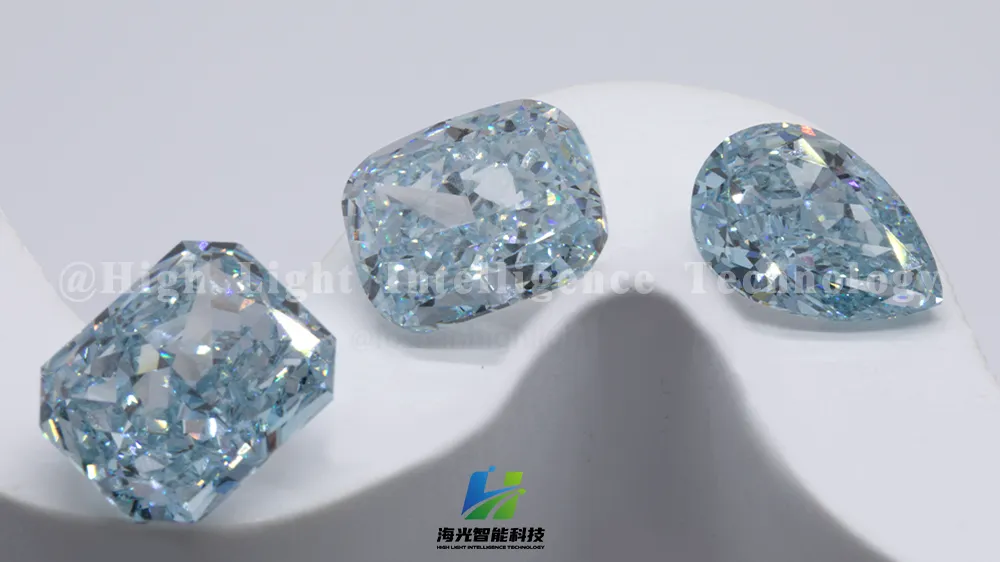
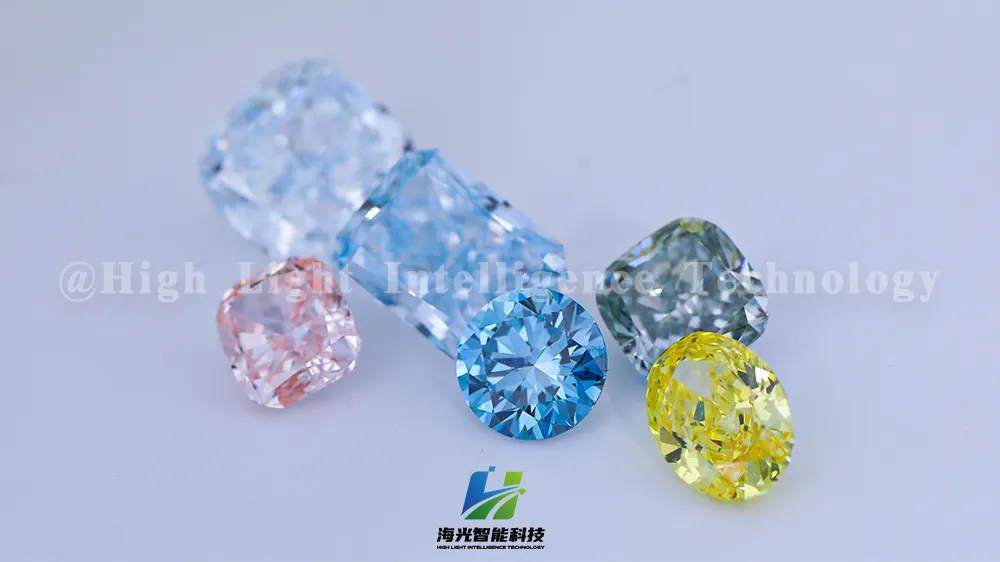
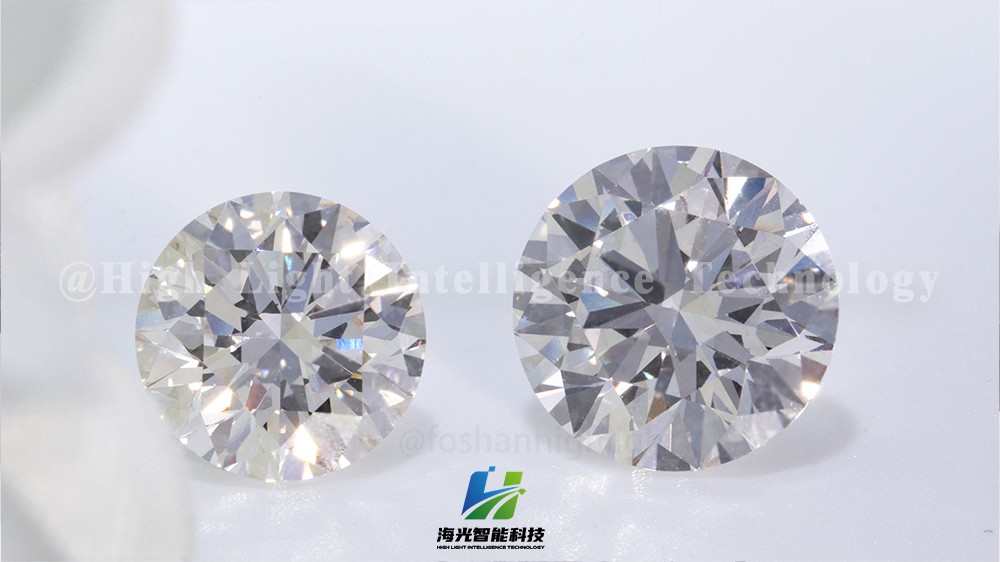
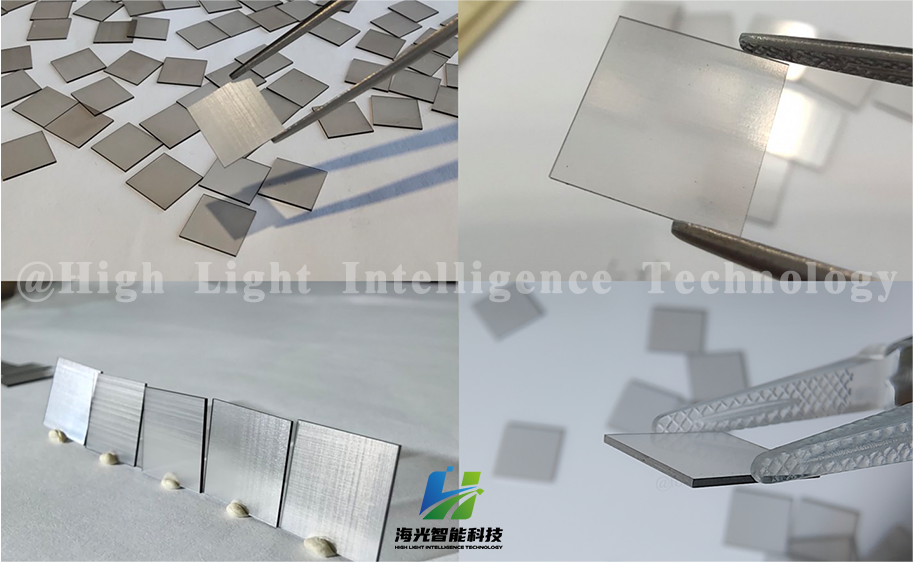
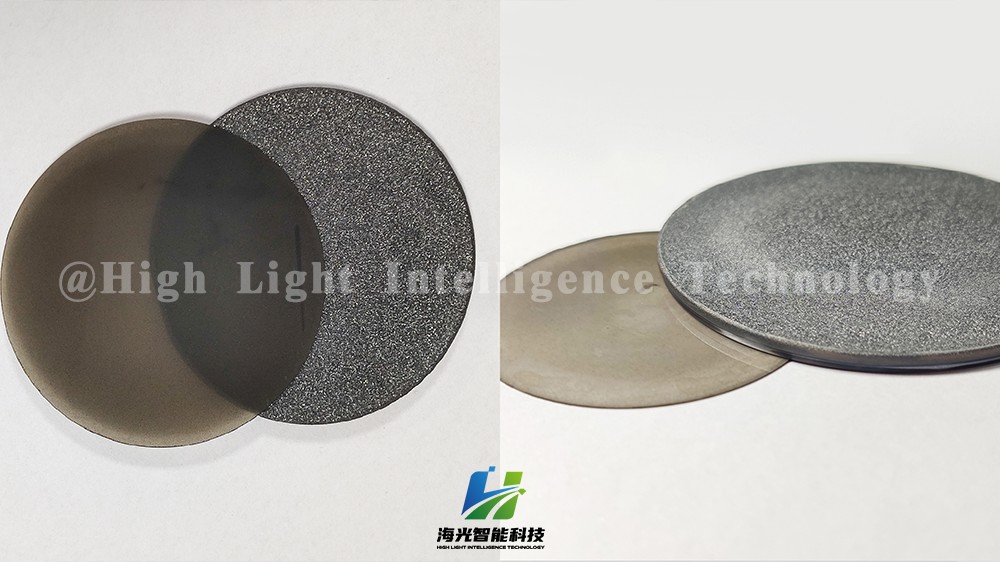
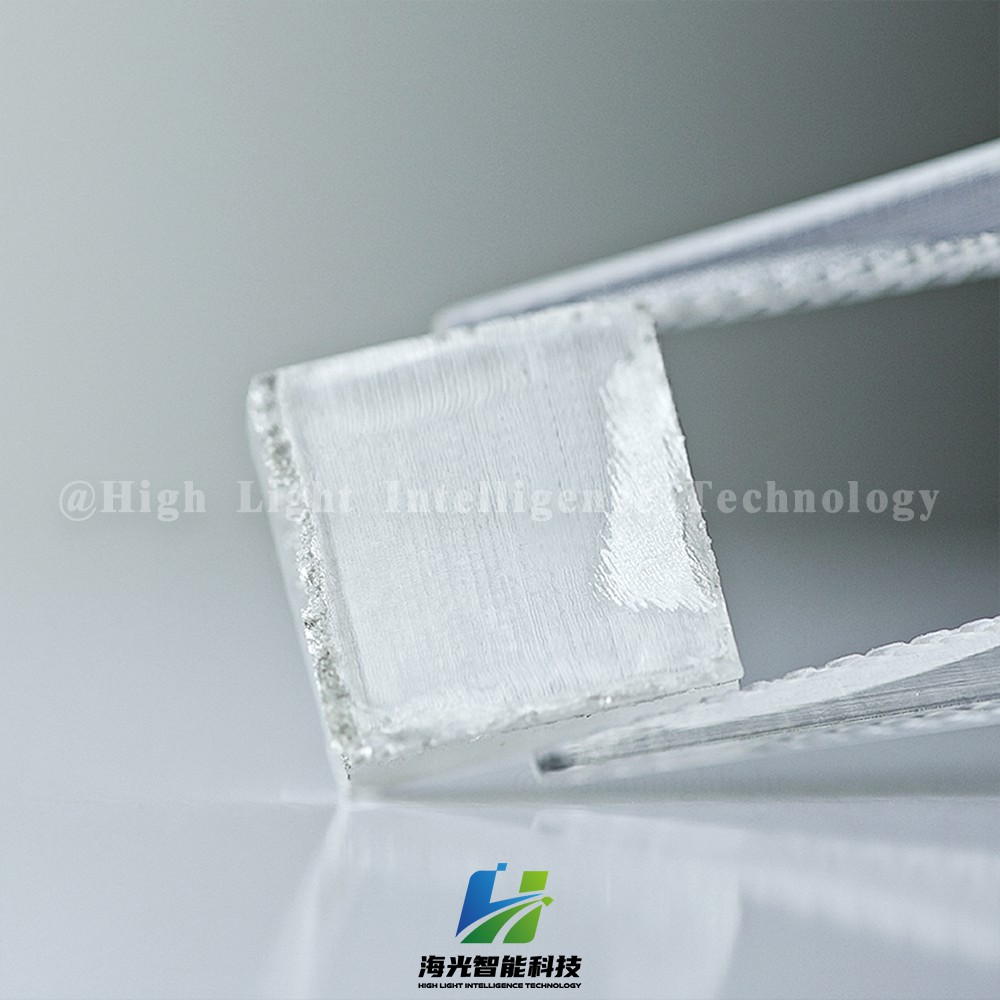
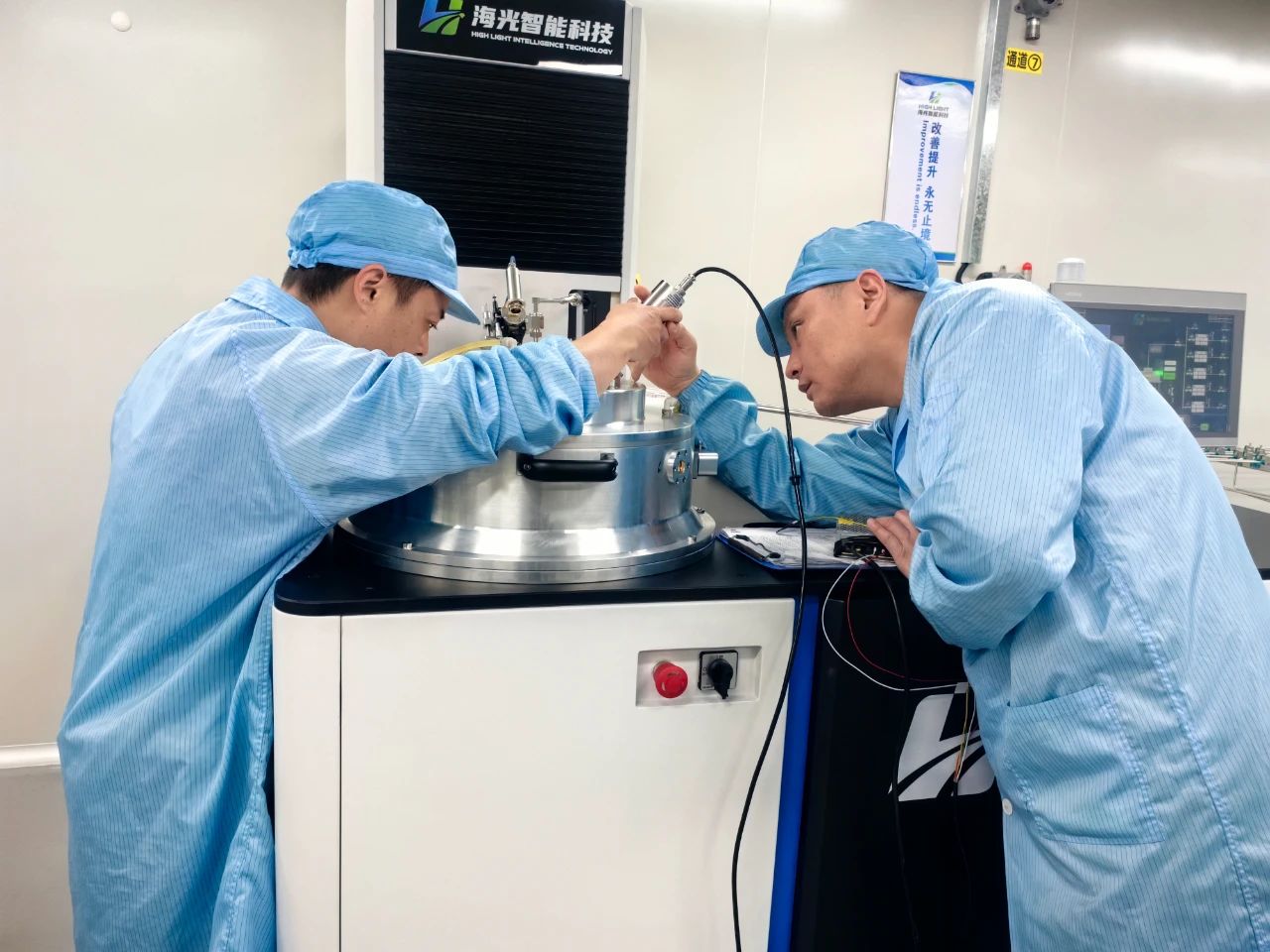
High Light Intelligence Technology uses technological innovation as an engine to drive the lab-grown diamond industry forward. We focus on quality, appearance and technological innovation and upgrade equipment. In the future, we will increase the research and development of CVD seed chip applications, empower domestic chip technology, and inject new momentum into the lab-grown diamond industry. On August 8-9, we sincerely invite you to participate in the China International Lab-grown Diamond Industry Innovation and Development Conference held in Guangzhou to explore the future and work together to create a brilliant industry.










-

Single-Crystal vs Polycrystalline CVD Diamond: Process Difference Lies in Growth Logic, Not Equipment
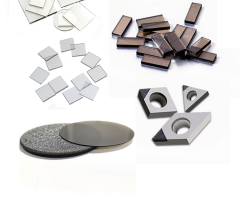
The process difference between single crystal and polycrystalline CVD diamond lies not in equipment, but in growth logic. Single crystal and polycrystalline CVD diamond are two functional new materials with completely independent growth mechanisms, lattice structures and performance systems. Their process logic, product features and application boundaries diverge fundamentally from the very start of deposition and growth. Comparing or selecting materials without considering their underlying crys
-
From Lab-Grown Diamonds to Industrial Diamonds: Is It Time to Build an MPCVD Factory?
The lab-grown diamond industry is entering a new stage. Over the these few years, lab-grown diamonds have gradually gained wider acceptance in the jewelry market. With the development of production technology, equipment maturity and supply chain improvement, the industry is becoming more standardized and efficient. But beyond jewelry, another opportunity is attracting more attention:Industrial diamond applications.
-
Diamond‑Copper Composite: A Next‑Generation Solution for High‑Power Electronics Thermal Management
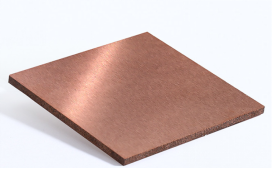
Diamond‑copper composite (DC) is an advanced metal‑matrix composite material consisting of diamond particles as the reinforcement phase and copper as the matrix, fabricated through state‑of‑the‑art composite preparation techniques. Diamond has the highest thermal conductivity of any naturally occurring material, with isotropic values ranging from 1200 to 2300 W/m·K. Copper, with a thermal conductivity of 401 W/m·K, ranks second only to silver among common metals. By combining the two, the compo
-
Mosaic Single‑Crystal Diamond: Breaking Size Limits
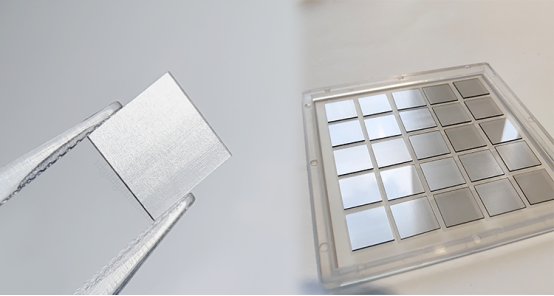
With an ultra‑wide bandgap of 5.47 eV, ultra‑high thermal conductivity (>2000 W/m·K), high carrier mobility (electron mobility up to 4500 cm²·V⁻¹·s⁻¹), and ultra‑high theoretical breakdown field strength (>10 MV/cm), Single‑Crystal Diamond (SCD) is an ideal candidate for next‑generation high‑power, high‑frequency and extreme‑environment electronic devices. However, both natural diamond and HPHT‑synthesized single‑crystal diamond are limited in lateral size, which greatly hinders large‑scal