- 中文
- English
- Español
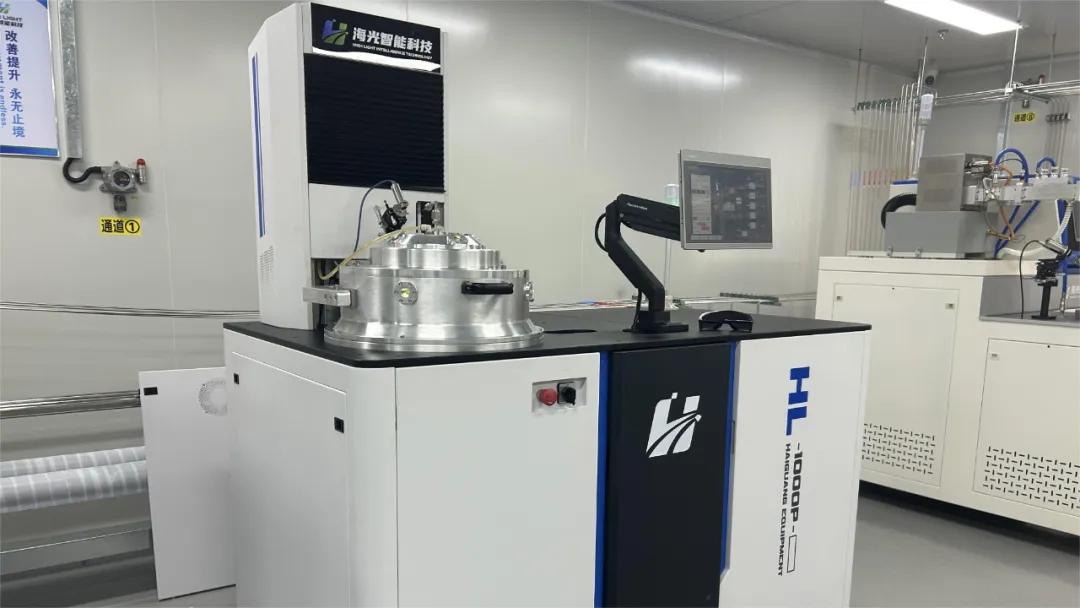
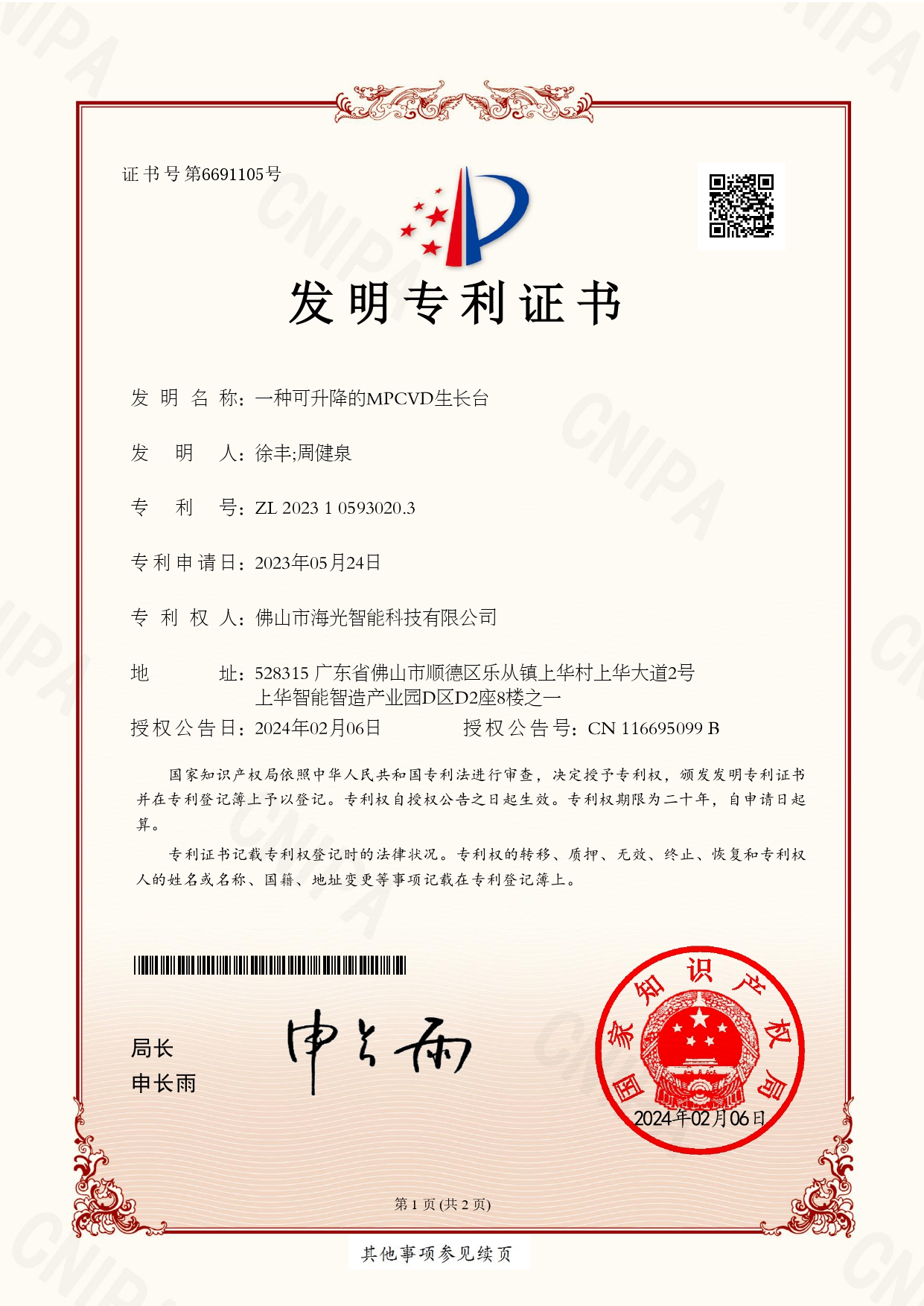
High Light 10/15kw MPCVD equipment national patent Z-axis automatic lifting platform to help diamond grow stably
2024-10-12 13:51:01
Click:
“
Technological progress and demand growth have driven the demand for large-size, high-quality diamonds. Diamonds have great potential in many fields and require high production requirements. MPCVD technology has become the preferred production method due to its pollution-free and pure raw materials.
”
Precise temperature control:
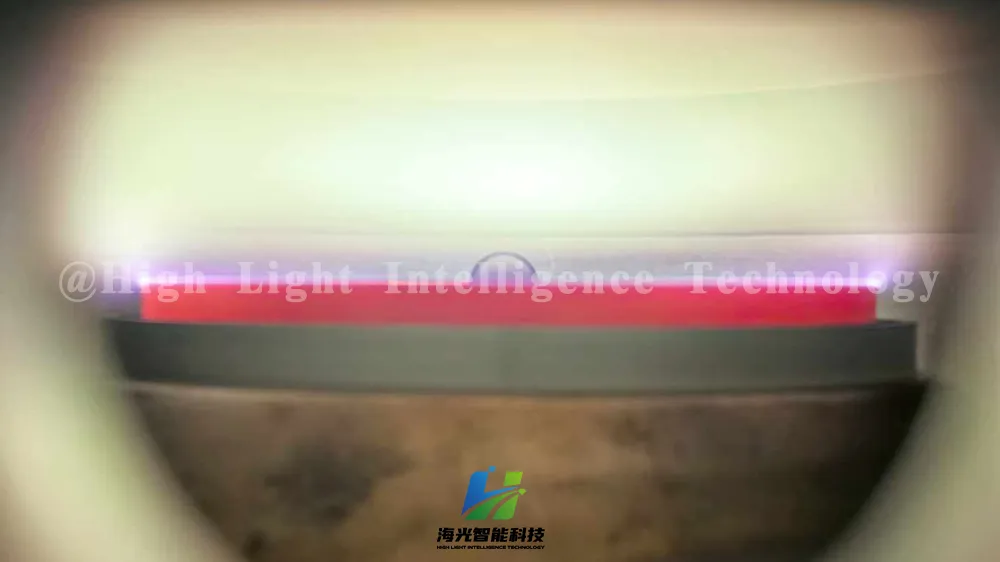
In MPCVD, temperature is critical to the quality of diamond growth. The Z-axis lift can automatically adjust the height according to the temperature curve, accurately control the temperature, promote high-quality diamond growth, and ensure thermal management applications.
Optimization of gas flow and pressure:
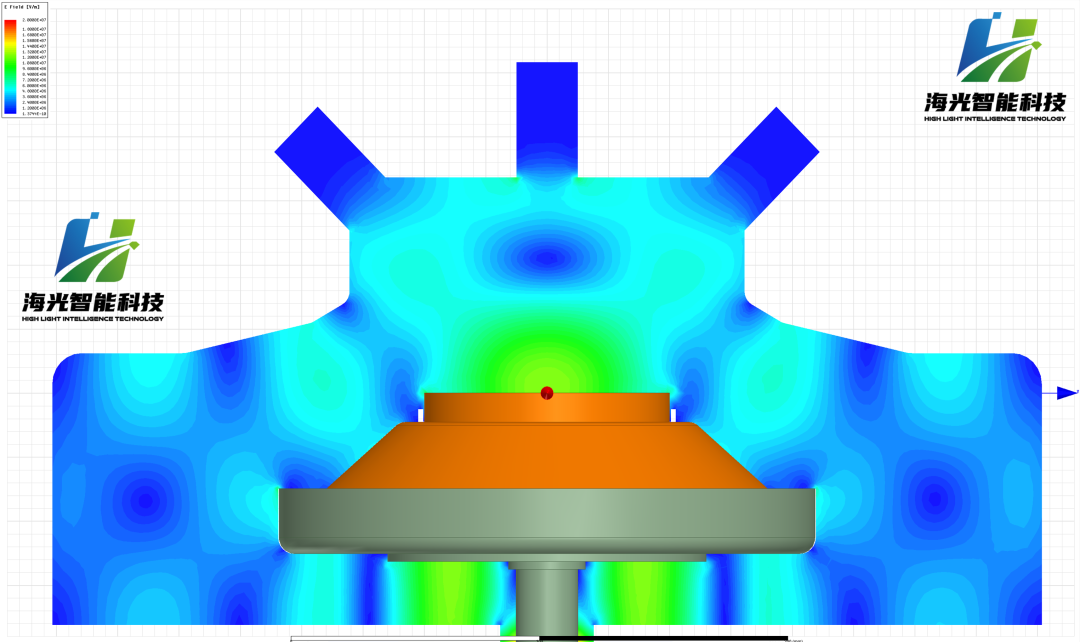
In MPCVD, gas flow and ratio affect diamond growth and thermal performance. The Z-axis lift table adjusts the height to optimize gas flow, enhance plasma stability, ensure sufficient reaction, and improve diamond quality.
Improve the bonding quality between diamond and other materials:
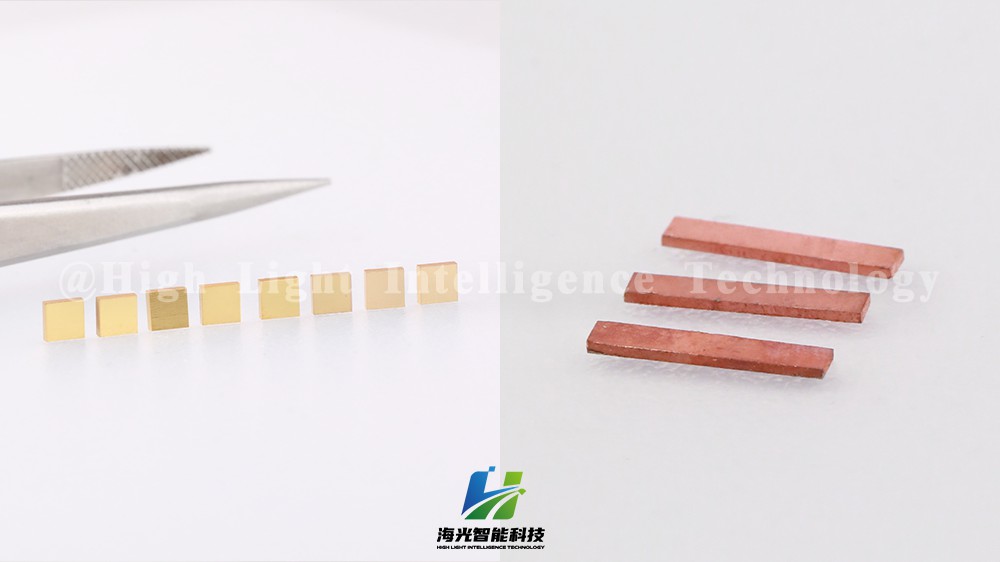
MPCVD technology optimizes the thermal interface bonding between diamond and other materials. The Z-axis lifting platform makes this process more controllable and stable, reduces the interface thermal resistance, and improves the heat transfer efficiency.
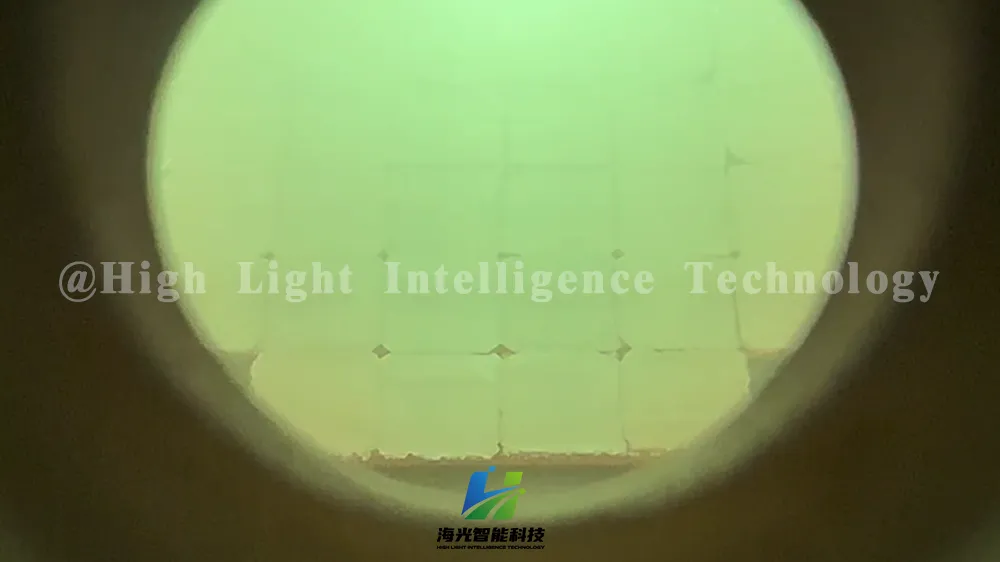
Achieve large-area, uniform diamond film growth:
MPCVD prepares large-area uniform diamond films, and precise control of the Z-axis lift ensures uniform heat distribution, avoids uneven thermal resistance, and improves heat dissipation efficiency in thermal management applications.
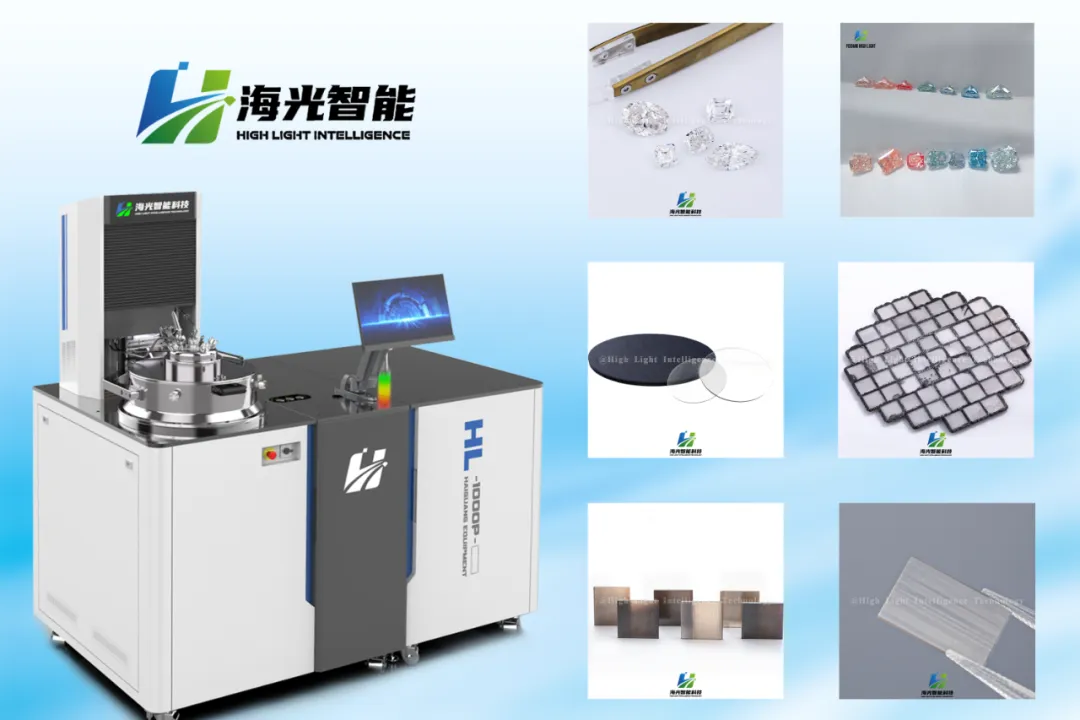
High Light Intelligence Technology's 10/15kw MPCVD equipment and national patented Z-axis lifting table have significantly improved the quality and stability of diamond growth, laying a solid foundation for the application of diamond in high-tech fields. These innovative achievements not only demonstrate High Light's outstanding strength in the research and development of diamond materials and related equipment, but also open up broad prospects for the future development of the diamond industry. Looking forward to the future, we will continue to delve into the diamond field, devote itself to technological innovation and breakthroughs, and contribute to the prosperity and development of my country's diamond industry.
High Light Intelligence Technology, a pioneer in the CVD diamond industry, has advanced MPCVD technology and CVD diamond production workshops. We focus on producing high-purity lab-grown diamonds for the jewelry industry, and at the same time create industrial-grade CVD diamond products, covering single crystals, polycrystalline, films and diamond surface metallization. We also provide 6kw/10kw/15kw MPCVD equipment to help customers in all aspects, from equipment to products, and then to all-round services, to create brilliance together.









-

Foshan Highlight Intelligent Technology invites you to the 140th Canton Fair—join us at Booth 21.2A23-24 in the Friendship Hall to share in the brilliance.
Foshan Highlight Intelligent Technology invites you to the 140th Canton Fair—join us at Booth 21.2A23-24 in the Friendship Hall to share in the brilliance.
-
CVD Single-Crystal Diamonds: An Analysis of the Complete Processing Workflow from Gas-Phase Deposition to Finished Diamond Chips
MPCVD (Microwave Plasma Chemical Vapor Deposition) technology is currently the core process for producing high-quality single-crystal diamond s. Thanks to its advantages of low defect rates, high purity, and controllable large dimensions, it is widely used in fields such as semiconductor heat dissipation, precision optics, and high-end sensors. The final quality of single-crystal diamond s depends on comprehensive process control throughout the entire workflow—from vapor deposition growth to pos
-
Single-Crystal or Polycrystalline Diamond — Which Has Greater Potential?
As diamond continues to enter industries such as semiconductors, thermal management, optics, high-power electronics, and precision machining, the requirements for diamond materials are also evolving.
-
Diamond Polishing and Grinding Processes: Core Challenges and Industry Hurdles
Diamond is often hailed as the “ultimate material” – ranking 10 on the Mohs hardness scale, boasting an ultra‑high thermal conductivity (~2,200 W/(m·K)), excellent chemical stability, and broad optical transparency. These properties make it irreplaceable in cutting‑edge applications such as semiconductor heat dissipation, high‑end optics, and quantum chips. Yet the paradox of “good materials are hard to process” is nowhere more evident than in diamond. From rough grinding for planarization to at