- 中文
- English
- Español
How Are Lab-Grown Diamonds Graded?
2025-12-10 17:28:36
Click:
“
Lab-grown diamonds go through the same grading process as natural diamonds. The key factors assessed are identical: color, clarity, cut, and carat weight. Once a synthetic diamond is fully developed, it is sent to an independent gemological laboratory for thorough evaluation. The main purpose is to gauge its overall quality and issue a grading report, which offers buyers clarity and confidence in their purchase.
”
Lab-grown diamonds go through the same grading process as natural diamonds. The key factors assessed are identical: color, clarity, cut, and carat weight. Once a synthetic diamond is fully developed, it is sent to an independent gemological laboratory for thorough evaluation. The main purpose is to gauge its overall quality and issue a grading report, which offers buyers clarity and confidence in their purchase.
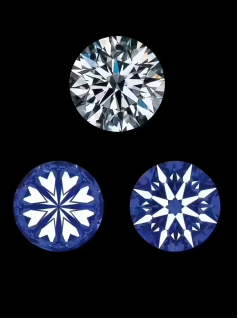
(The 'Hearts and Arrows' diamond cut, also known as the 'Cupid Cut'.)
The most prominent laboratories for grading synthetic diamond are IGI (International Gemological Institute) and GIA (Gemological Institute of America). Both are well-regarded in the industry, but their approaches to handling laboratory-grown diamond differ somewhat.
GIA was relatively slow to enter the laboratory-grown diamond market. For many years, the institute released less comprehensive reports for these stones and did not include specific cut grades. Founded in 1931, GIA is often viewed as the traditional authority on diamond grading, and it failed to anticipate the rapid rise of laboratory-grown diamonds—some suggest this hesitation stemmed from principle or institutional pride. It’s likely a disappointment for GIA that IGI, once considered more commercially focused, has now become the preferred grading lab for lab-created diamonds sold by major retailers such as James Allen and Blue Nile.
In a significant shift, GIA has scaled back its involvement in lab-created diamond grading. Starting October 1, 2025, GIA will no longer provide full 4Cs grading for lab-created diamonds—a decision that sent ripples through the jewelry industry. Retailers, gemologists, and consumers were all caught off guard by this change, as GIA now only issues simplified reports that exclude grades for cut, clarity, and color. For many, this move indicates GIA’s complete withdrawal from the lab-created diamond sector.
Therefore, if you come across a GIA grading report for a lab-grown diamond that includes full 4Cs information, it must have been issued before October 1, 2025.
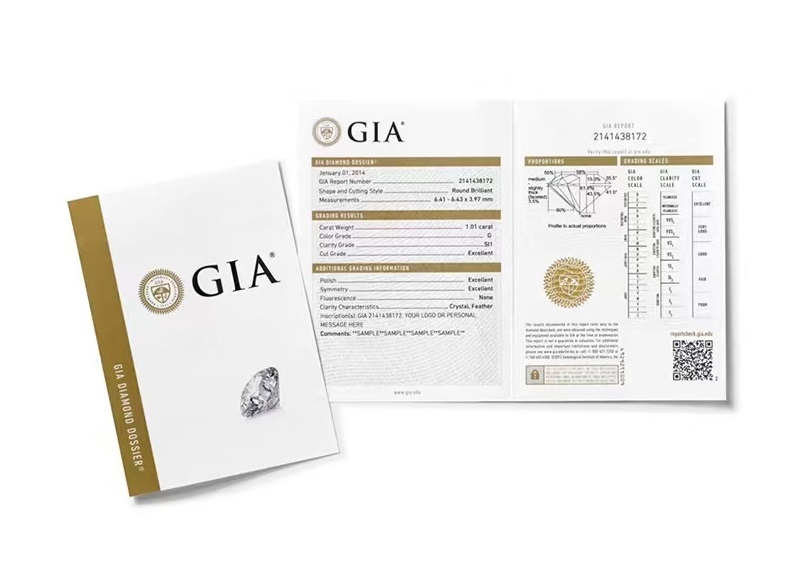
(GIA certificate)
IGI grading reports are known for their reliability and consistent standards. They include grades for color and clarity, along with detailed assessments of cut, polish, symmetry, and fluorescence. Similar to GIA’s practice for natural diamonds, IGI uses a D-to-Z color scale to grade cultured diamonds. While some perceive IGI as slightly more lenient in color and clarity grading, IGI-graded stones often appear cleaner and come at more competitive prices. In fact, IGI is also making steady progress in the natural diamond market. It’s not an overstatement to say that IGI has been the biggest winner in the diamond grading industry in recent years, and its clarity grading standards are much closer to GIA’s than most people think.
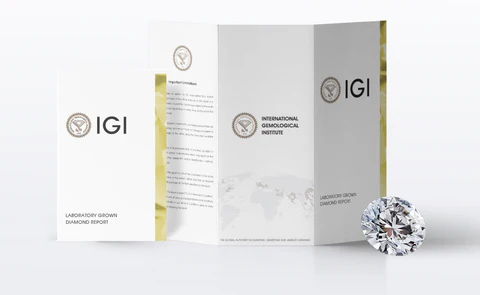
(IGI certificate)
.
The most important thing for buyers is to ensure that their cultured diamond comes with a grading report from a recognized gemological laboratory. This guarantees that you know exactly what you’re purchasing and allows for accurate price comparisons between similar diamonds.
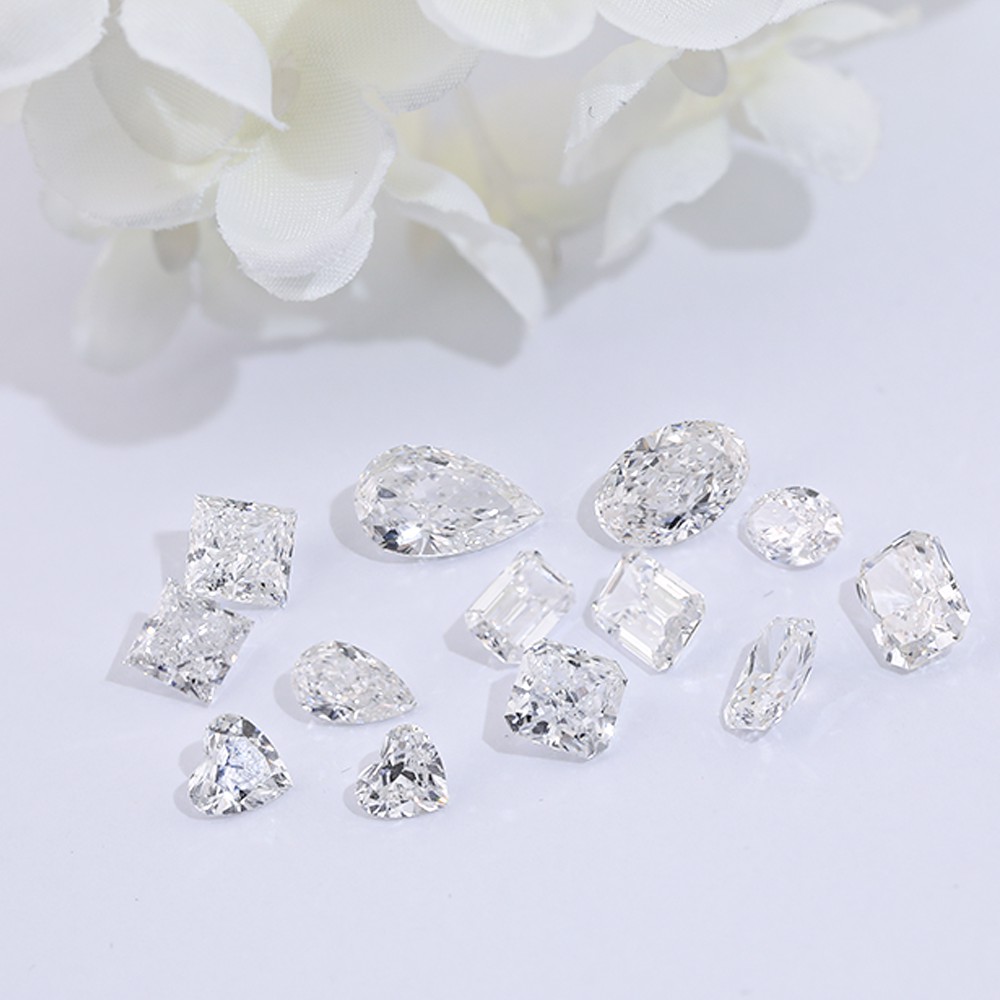
As a leading supplier in the lab-grown diamond industry, Foshan HightLight Intelligent Technology Co., Ltd. has always adhered to the business philosophy of 'quality first', providing global customers with products and services that combine cost-effectiveness and reliability. Currently, we have over 10,000 IGI-certified lab-grown diamonds in stock, covering all mainstream weight ranges from 0.5 to 5 carats, which can fully meet the procurement needs of various scenarios such as retail, customization, and brand OEM.
The company carefully selects high-grade loose diamond resources. The clarity grades are concentrated in the core range of VS1-VVS2, with some scarce sources reaching the IF (Internally Flawless) standard. The color grades are mainly D-H (high color grades), maximizing the diamond's pure and transparent texture. All cuts achieve the Excellent grade, among which a variety of Hearts and Arrows (Cupid Cut) products deliver perfect fire through precise proportional cutting. Every diamond is accompanied by a complete IGI grading report, with 4C parameters clearly verifiable and quality traceable throughout the entire process.
With stable inventory support, strict quality control, and efficient supply chain services, Foshan Highlight Intelligent Technology has become a preferred partner for numerous jewelry brands and retailers. We will continue to deepen our presence in the lab-grown diamond sector, empowering your jewelry business with richer product options, stricter quality standards, and more thoughtful customization services, as we jointly embrace a new future for the industry.
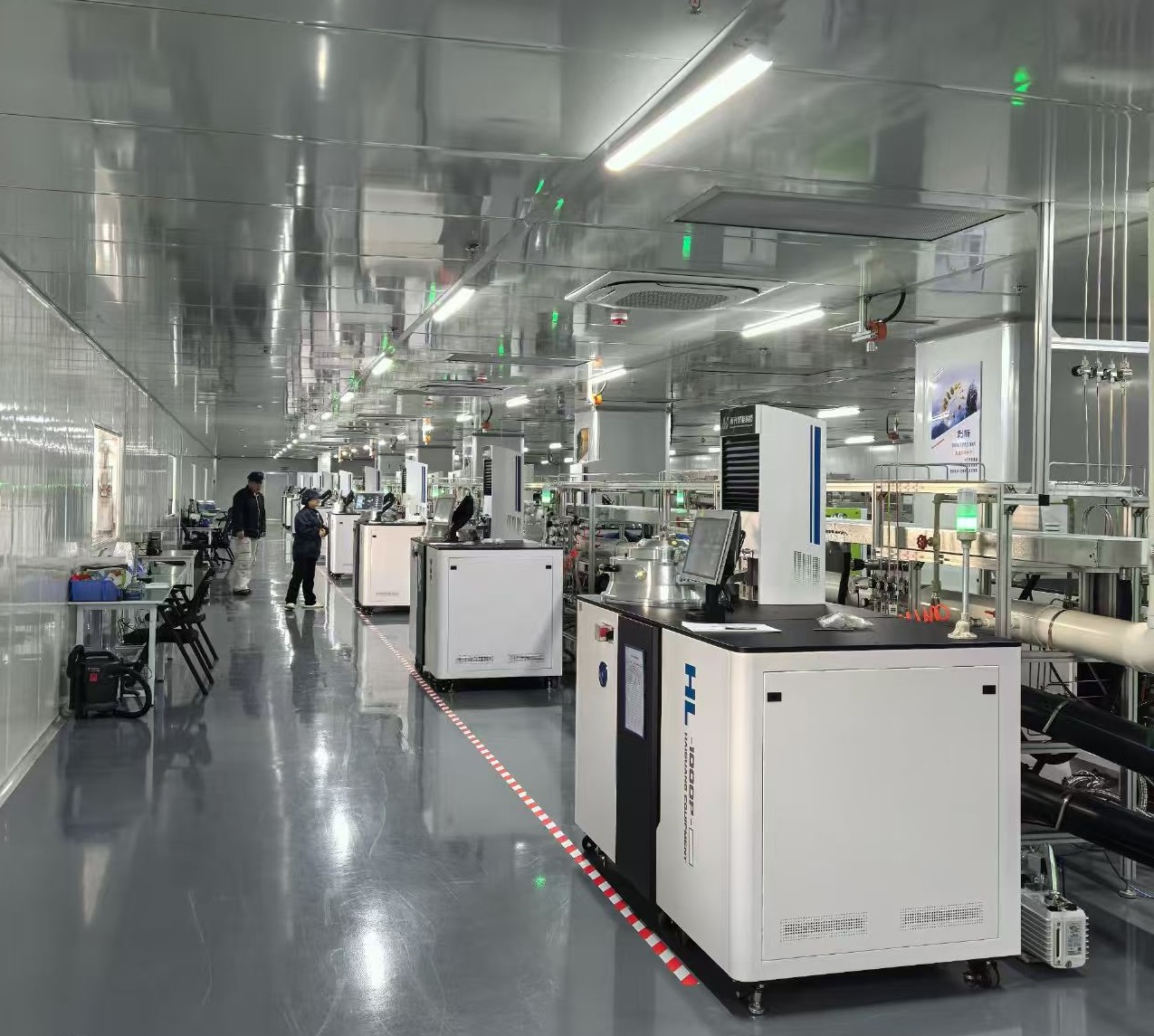
*The articles and pictures are only for industry communication and sharing. If there is any infringement, please contact us to delete them.









-

CVD Single-Crystal Diamonds: An Analysis of the Complete Processing Workflow from Gas-Phase Deposition to Finished Diamond Chips
MPCVD (Microwave Plasma Chemical Vapor Deposition) technology is currently the core process for producing high-quality single-crystal diamond s. Thanks to its advantages of low defect rates, high purity, and controllable large dimensions, it is widely used in fields such as semiconductor heat dissipation, precision optics, and high-end sensors. The final quality of single-crystal diamond s depends on comprehensive process control throughout the entire workflow—from vapor deposition growth to pos
-
Single-Crystal or Polycrystalline Diamond — Which Has Greater Potential?
As diamond continues to enter industries such as semiconductors, thermal management, optics, high-power electronics, and precision machining, the requirements for diamond materials are also evolving.
-
Diamond Polishing and Grinding Processes: Core Challenges and Industry Hurdles
Diamond is often hailed as the “ultimate material” – ranking 10 on the Mohs hardness scale, boasting an ultra‑high thermal conductivity (~2,200 W/(m·K)), excellent chemical stability, and broad optical transparency. These properties make it irreplaceable in cutting‑edge applications such as semiconductor heat dissipation, high‑end optics, and quantum chips. Yet the paradox of “good materials are hard to process” is nowhere more evident than in diamond. From rough grinding for planarization to at
-
Single-Crystal vs Polycrystalline CVD Diamond: Process Difference Lies in Growth Logic, Not Equipment
The process difference between single crystal and polycrystalline CVD diamond lies not in equipment, but in growth logic. Single crystal and polycrystalline CVD diamond are two functional new materials with completely independent growth mechanisms, lattice structures and performance systems. Their process logic, product features and application boundaries diverge fundamentally from the very start of deposition and growth. Comparing or selecting materials without considering their underlying crys