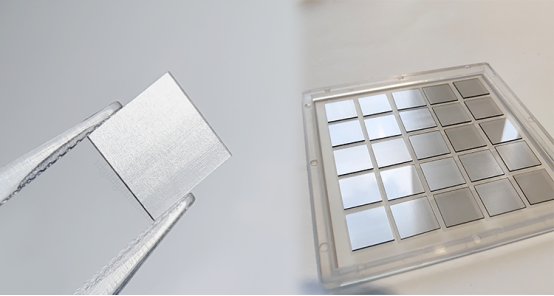
- 中文
- English
- Español
Analysis of the diverse application areas of diamond
2024-10-23 09:39:23
Click:
“
Diamond has excellent electrical properties, wide bandgap, high breakdown, and high mobility, making it suitable as the ultimate semiconductor; acoustically, it has the fastest sound wave speed and a high Young's modulus; it is optically transparent to the far infrared and ultraviolet; its thermal conductivity exceeds that of copper, and it has broad application potential.
”
Diamond has excellent electrical properties, a wide bandgap, high breakdown field strength and high mobility, and is expected to become the ultimate semiconductor. Acoustically, it has the fastest surface acoustic wave speed and an extremely high Young's modulus. Its optical transparency range is as wide as far infrared to ultraviolet. Its thermal conductivity exceeds that of copper, and it has cross-field application potential.

Synthesis of functional diamond:
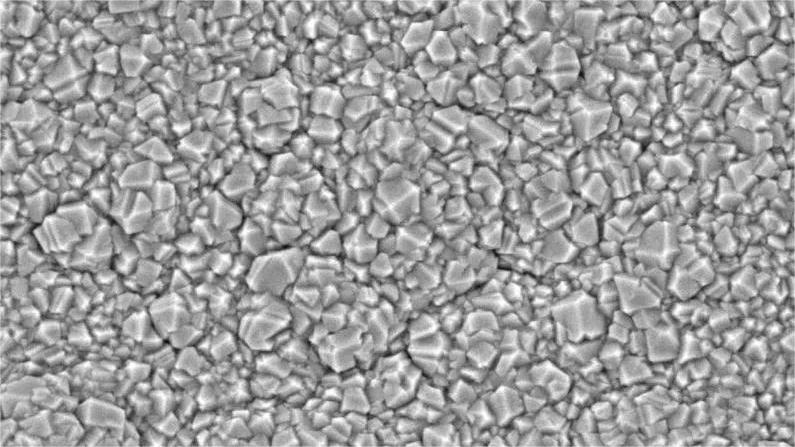
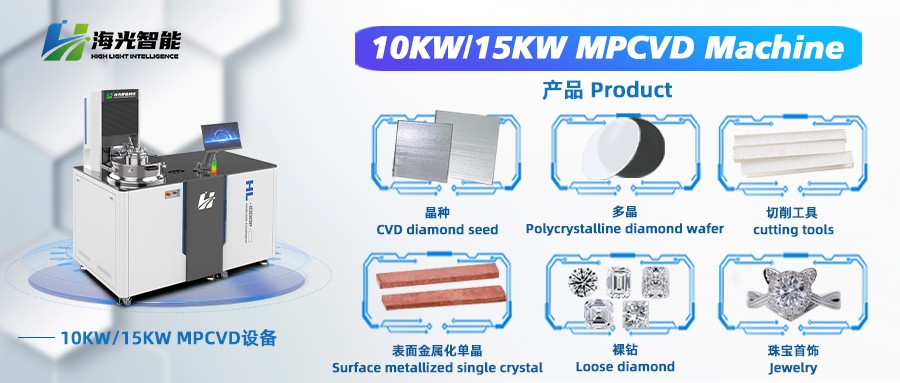
Compared with traditional HPHT diamond synthesis, functional diamond mainly adopts atmospheric pressure CVD method. CVD diamond is divided into thin film (<50μm, including conventional and nanofilm) and self-supporting thick film (single crystal, polycrystalline). According to the synthesis technology, it is divided into microwave assisted (MPCVD), hot wire and DC type, among which MPCVD is the mainstream high-quality synthesis method.
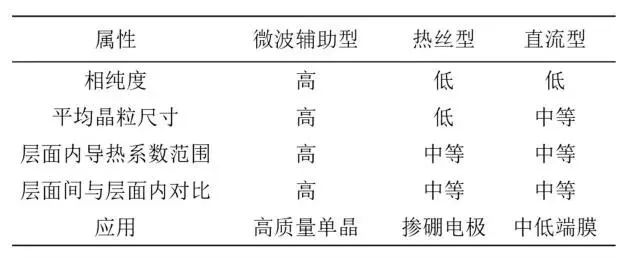
Application of Functional Diamond
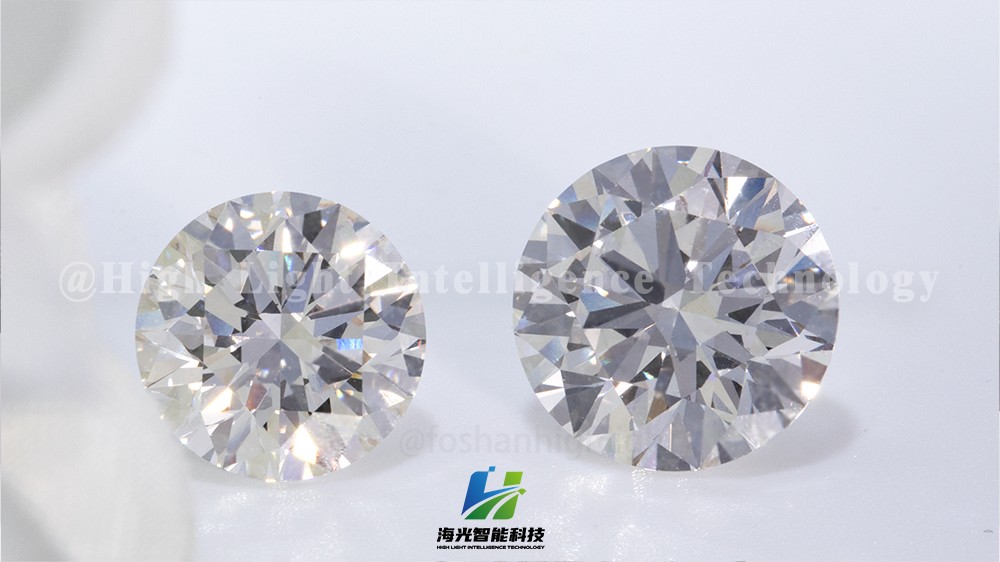
Jewelry Grade Applications
High temperature and high pressure (HTHP) is the main method for producing lab-grown diamonds. The chemical vapor deposition (CVD) method for producing lab-grown diamonds has made rapid progress in the past three years, with a significant reduction in costs and significant progress in process stability. It has been mass-produced and put on the market in industrial batches.
Semiconductor Applications
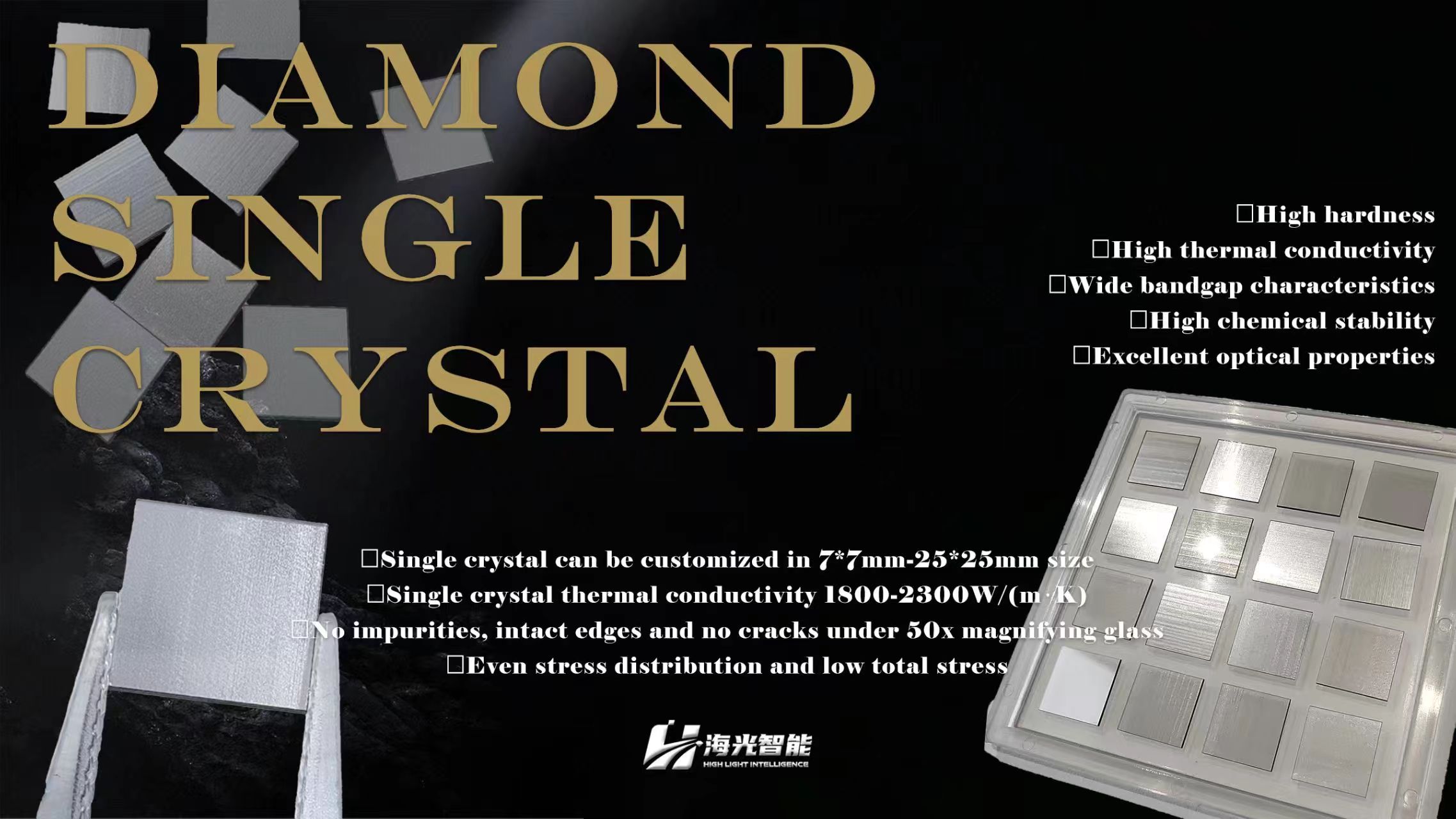
As the "ultimate semiconductor", diamond is suitable for manufacturing high-performance electronic devices, with properties far exceeding those of GaN and SiC. It can emit high-intensity free excitons, which helps deep ultraviolet technology. Single crystal growth and doping technology are key. In the future, it is expected to break through technical bottlenecks and achieve better performance. Diamond semiconductor devices may become industry standards, with a wide range of impacts, including computers, automobiles, aerospace, etc.
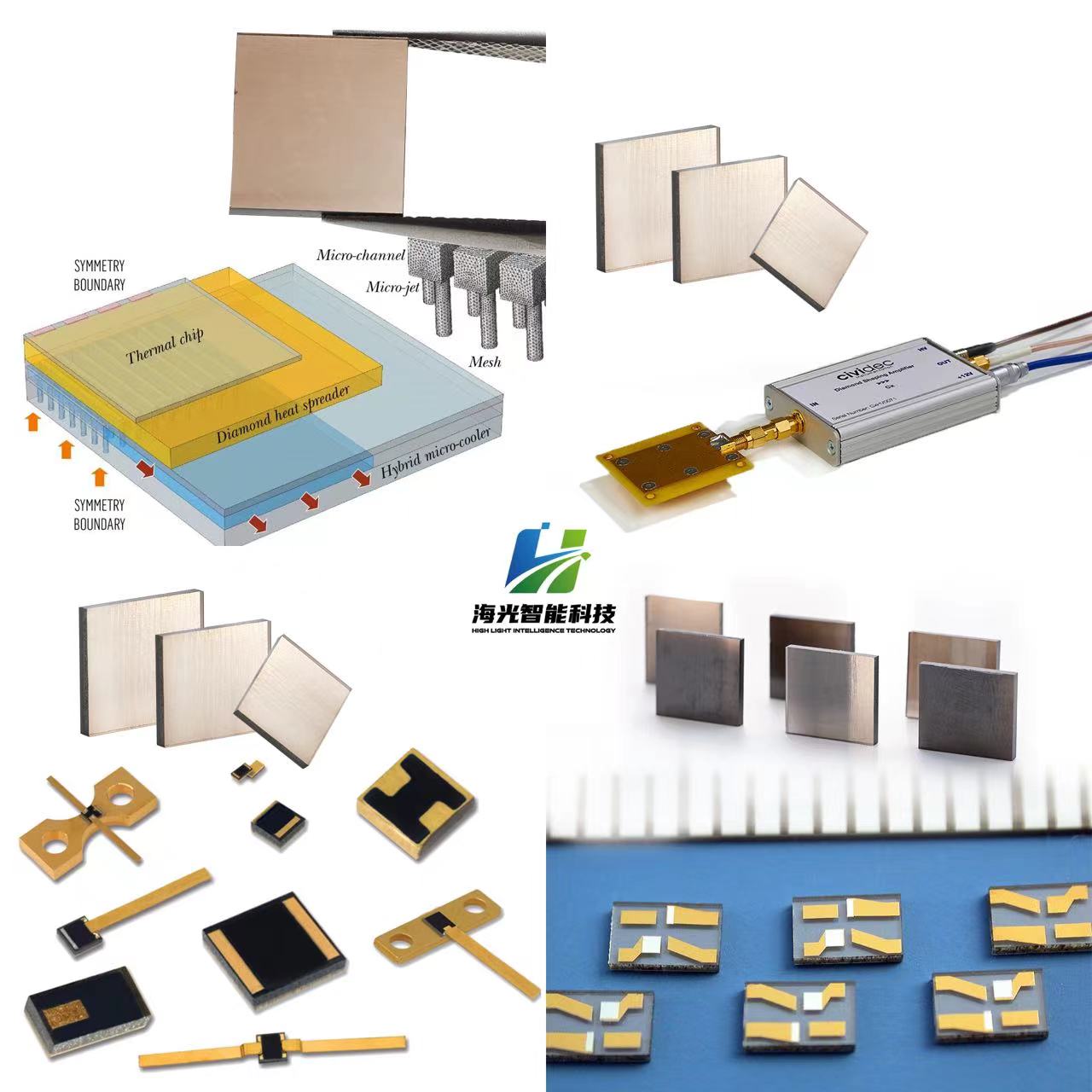
Thermal Applications
Diamond has an extremely high thermal conductivity (2200W/(m·K)), far exceeding SiC, Si, GaAs and metals, and has a low thermal expansion coefficient and high elastic modulus, making it a high-quality electronic packaging material. It has been used in diamond-enhanced metal packaging and heat sink-diamond substrate GaN devices, etc., with commercial thermal conductivity of 350~600W/(m·K). The price of artificial diamond has dropped, which is conducive to large-scale production. Its high thermal conductivity and electrical insulation make it an optimal heat sink for high-power devices, such as laser diodes. CVD diamond and GaN integration has been achieved to improve RF power density.
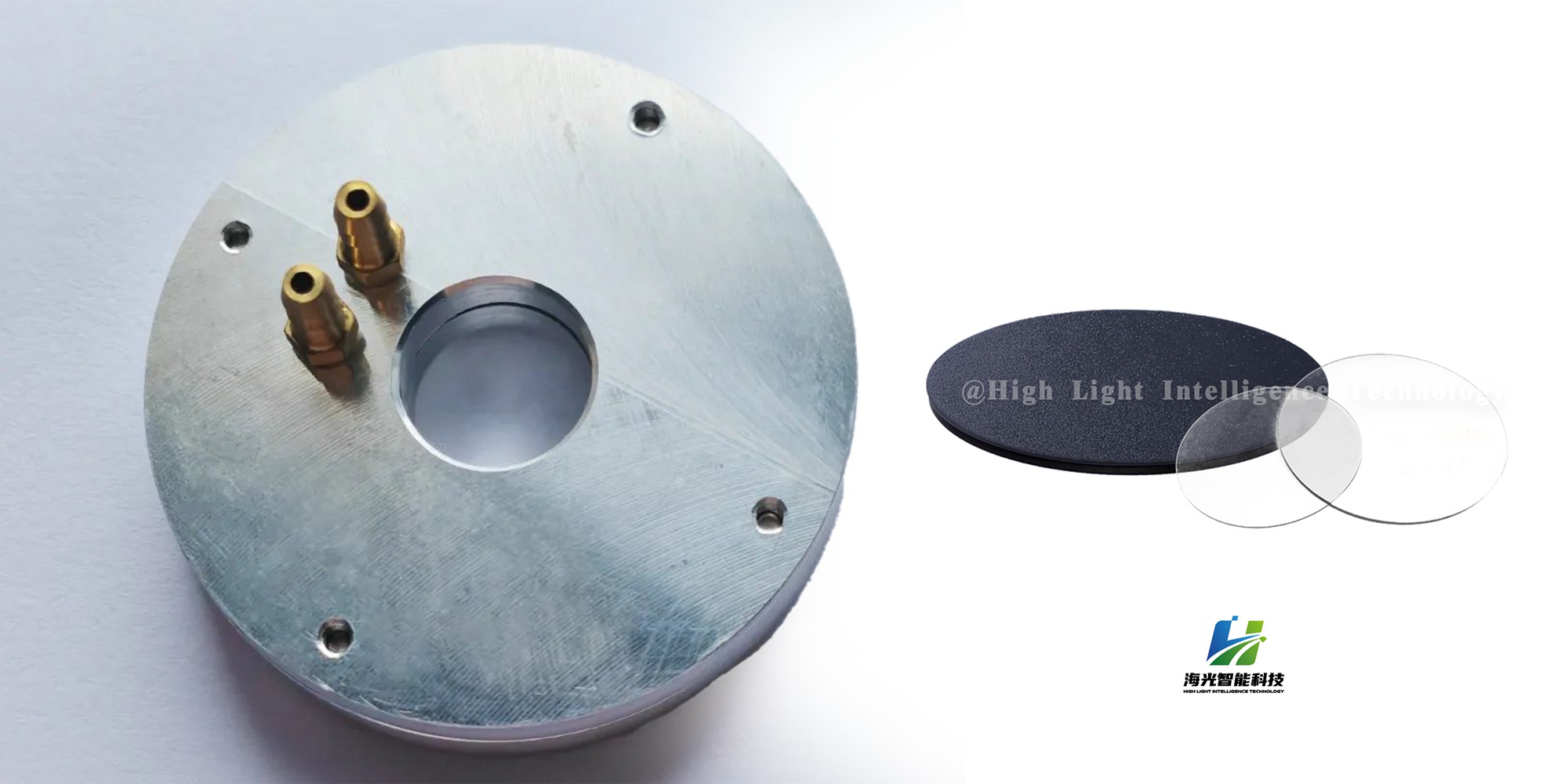
Optical Applications
An ideal power transmission window must have: low total absorption, low thermal expansion coefficient, high thermal conductivity, high strength and Young's modulus, and small temperature change of refractive index. Diamond meets almost all of these requirements. Polycrystalline diamond has been industrialized in the fields of optical windows and is also used for decoration, such as high-end watches, luxury coatings and fashion products. Its strength and hardness far exceed Corning glass, and it is also used in mobile phone screens and camera lenses.
Acoustic Devices
Diamond has low density and high strength, and is a high-performance high-frequency acoustic material that can vibrate perfectly at 70kHz to achieve excellent sound reproduction. It has the highest surface acoustic wave velocity and is the preferred material for surface acoustic wave filters, improving filtering frequency and power handling capacity.

Boron-doped diamond (BDD) electrode
Research shows that BDD is an environmentally friendly new electrode material. The electrochemical method has a remarkable effect on treating refractory organic matter and can almost completely mineralize it, which has attracted much attention. The BDD electrode generates strong oxidizing hydroxyl radicals and efficiently degrades wastewater organic matter. It has a wide electrochemical window, high oxygen evolution potential, and strong chemical stability. It is suitable for harsh environments and is expected to become a top organic wastewater treatment technology.
Applications of Quantum Technology
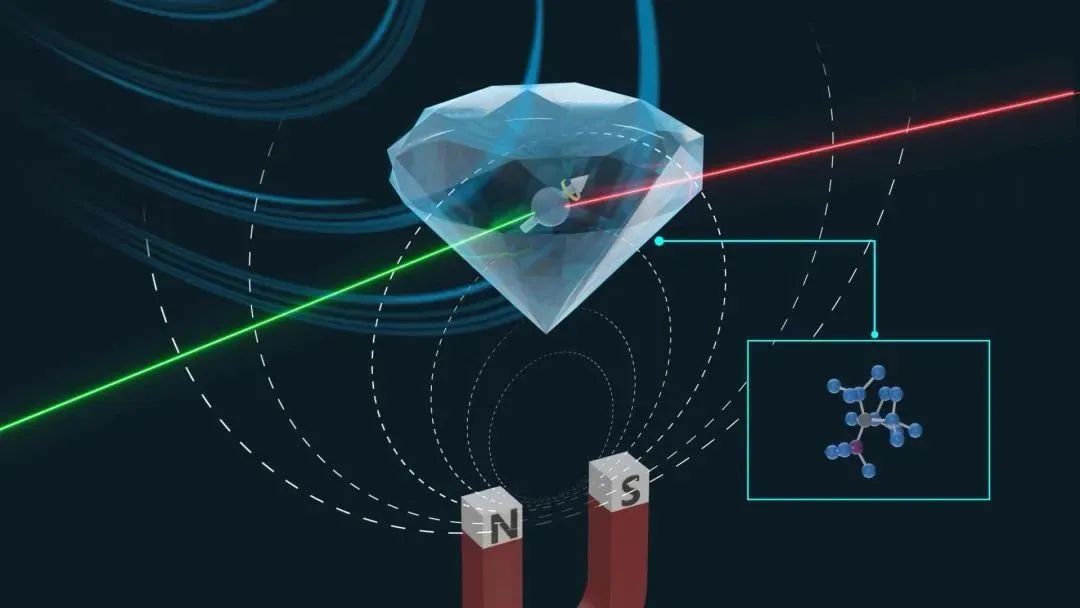
Diamond quantum technology helps solve biomedical and information economy problems. Diamond nitrogen vacancy defects are transformed into quantum resources and controlled by light at room temperature. Artificial diamonds are used as traps, impurities can be controlled, and photons can read information. Diamonds are developed into medical interfaces due to their characteristics, coatings are used for equipment, large-size blades are made, and nanoscale drug delivery labels can be used.
Applications of Quantum Technology
Nanodiamond has a large surface area, rich functional groups, easy adsorption reaction, and good dispersion after treatment. Experiments have proven that adding one thousandth of a spherical nanodiamond to lubricating oil can significantly improve the anti-wear and shock-absorbing effect and is widely suitable for mechanical structures.









-

Single-Crystal vs Polycrystalline CVD Diamond: Process Difference Lies in Growth Logic, Not Equipment
The process difference between single crystal and polycrystalline CVD diamond lies not in equipment, but in growth logic. Single crystal and polycrystalline CVD diamond are two functional new materials with completely independent growth mechanisms, lattice structures and performance systems. Their process logic, product features and application boundaries diverge fundamentally from the very start of deposition and growth. Comparing or selecting materials without considering their underlying crys
-
From Lab-Grown Diamonds to Industrial Diamonds: Is It Time to Build an MPCVD Factory?
The lab-grown diamond industry is entering a new stage. Over the these few years, lab-grown diamonds have gradually gained wider acceptance in the jewelry market. With the development of production technology, equipment maturity and supply chain improvement, the industry is becoming more standardized and efficient. But beyond jewelry, another opportunity is attracting more attention:Industrial diamond applications.
-
Diamond‑Copper Composite: A Next‑Generation Solution for High‑Power Electronics Thermal Management
Diamond‑copper composite (DC) is an advanced metal‑matrix composite material consisting of diamond particles as the reinforcement phase and copper as the matrix, fabricated through state‑of‑the‑art composite preparation techniques. Diamond has the highest thermal conductivity of any naturally occurring material, with isotropic values ranging from 1200 to 2300 W/m·K. Copper, with a thermal conductivity of 401 W/m·K, ranks second only to silver among common metals. By combining the two, the compo
-
Mosaic Single‑Crystal Diamond: Breaking Size Limits
With an ultra‑wide bandgap of 5.47 eV, ultra‑high thermal conductivity (>2000 W/m·K), high carrier mobility (electron mobility up to 4500 cm²·V⁻¹·s⁻¹), and ultra‑high theoretical breakdown field strength (>10 MV/cm), Single‑Crystal Diamond (SCD) is an ideal candidate for next‑generation high‑power, high‑frequency and extreme‑environment electronic devices. However, both natural diamond and HPHT‑synthesized single‑crystal diamond are limited in lateral size, which greatly hinders large‑scal