- 中文
- English
- Español
High Light large carat lab-grown diamonds, sufficient stock!
2025-03-21 10:36:56
Click:
“
Diamonds symbolize eternal love, achievement and style, but the scarcity and high price of natural diamonds often make them out of reach. High Light lab-grown Diamonds breaks through the bottleneck with technological innovation and launches the large carat series.
”
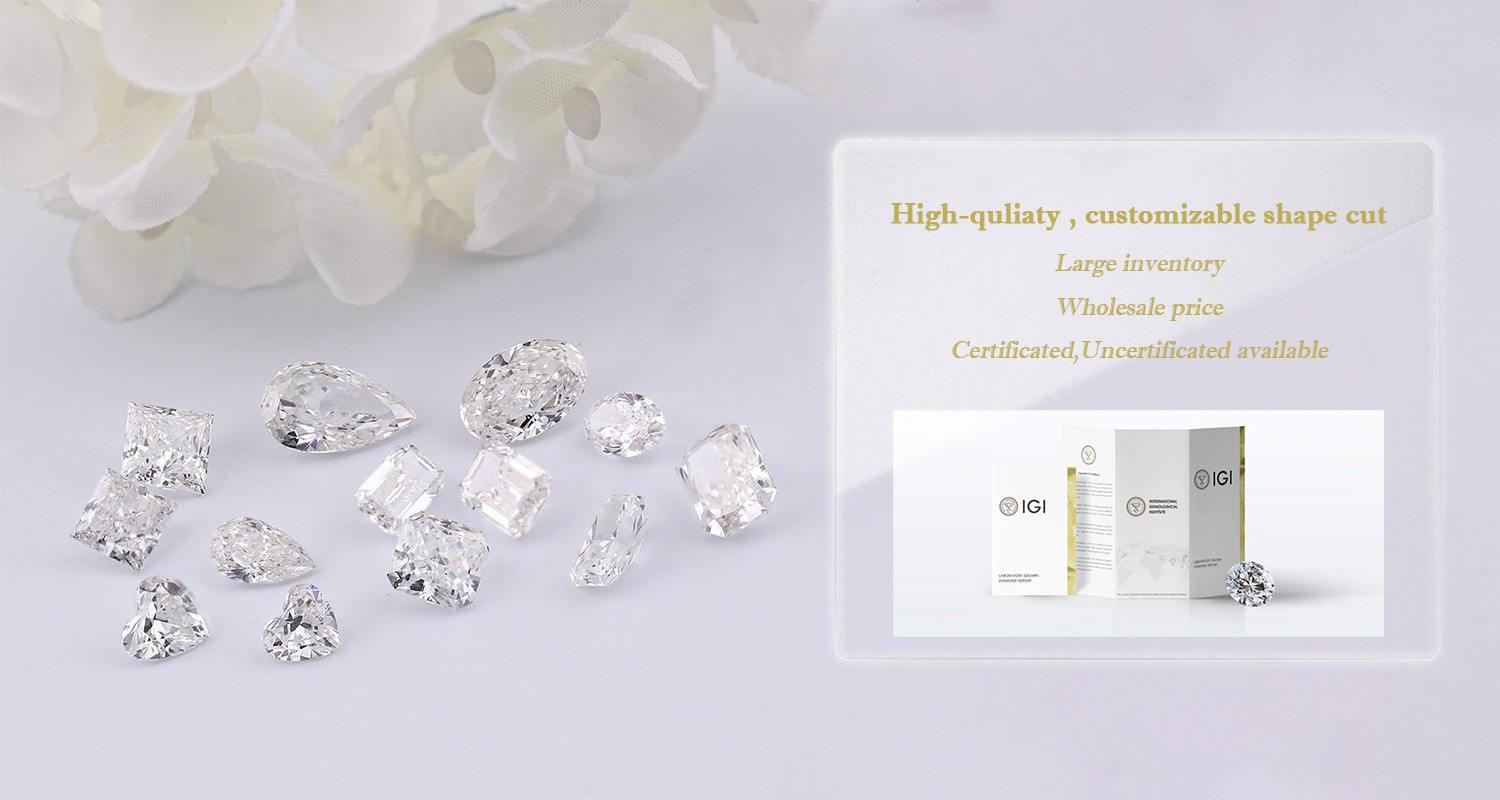
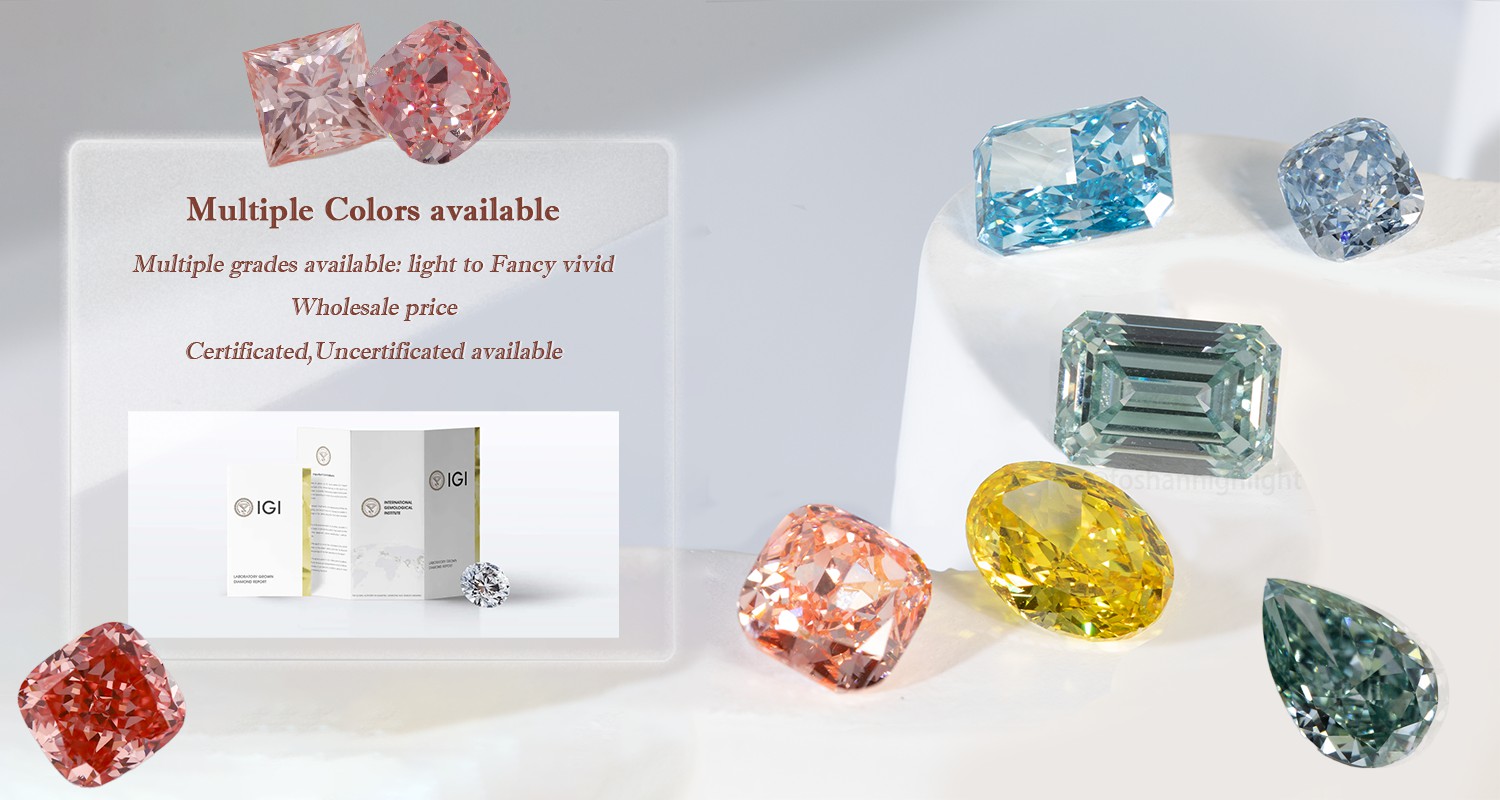
Natural large diamonds are scarce and expensive. High Light lab-grown diamonds use MPCVD technology to break through the carat bottleneck, and large diamonds over 10 carats are available. Comparable to the natural 4C standard, it is suitable for wedding rings, commemorative gifts, and collection-level artworks, allowing top-level brilliance without compromise.
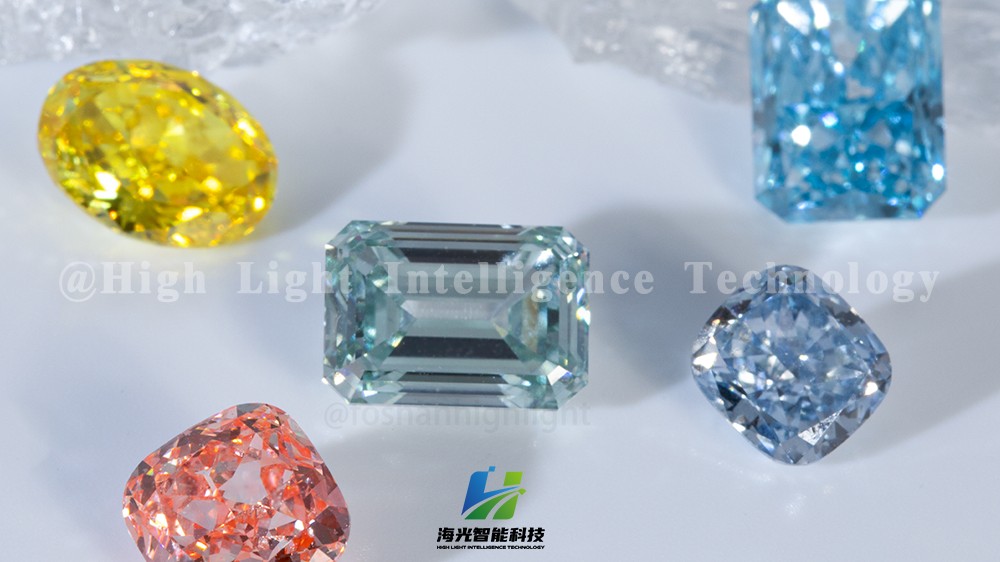
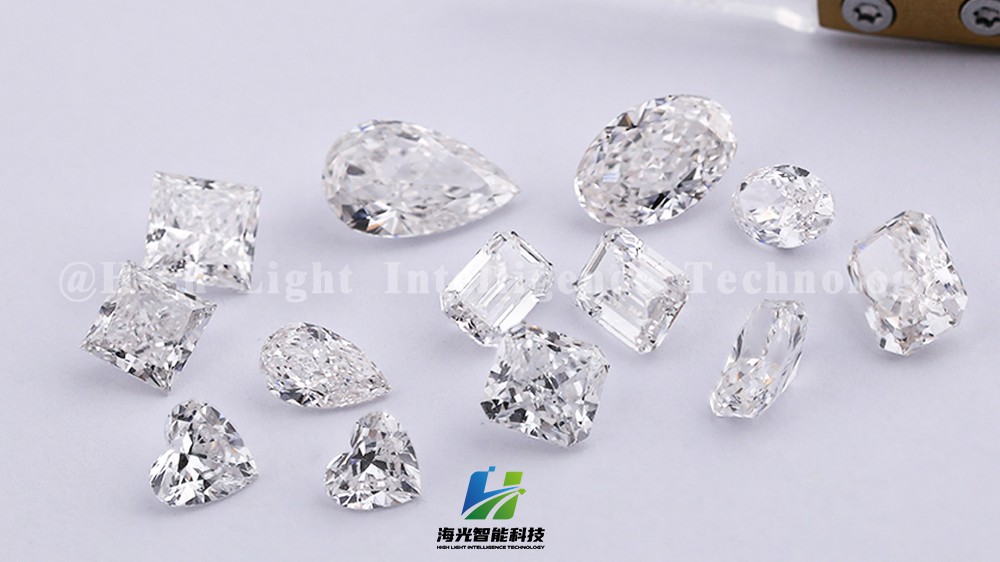
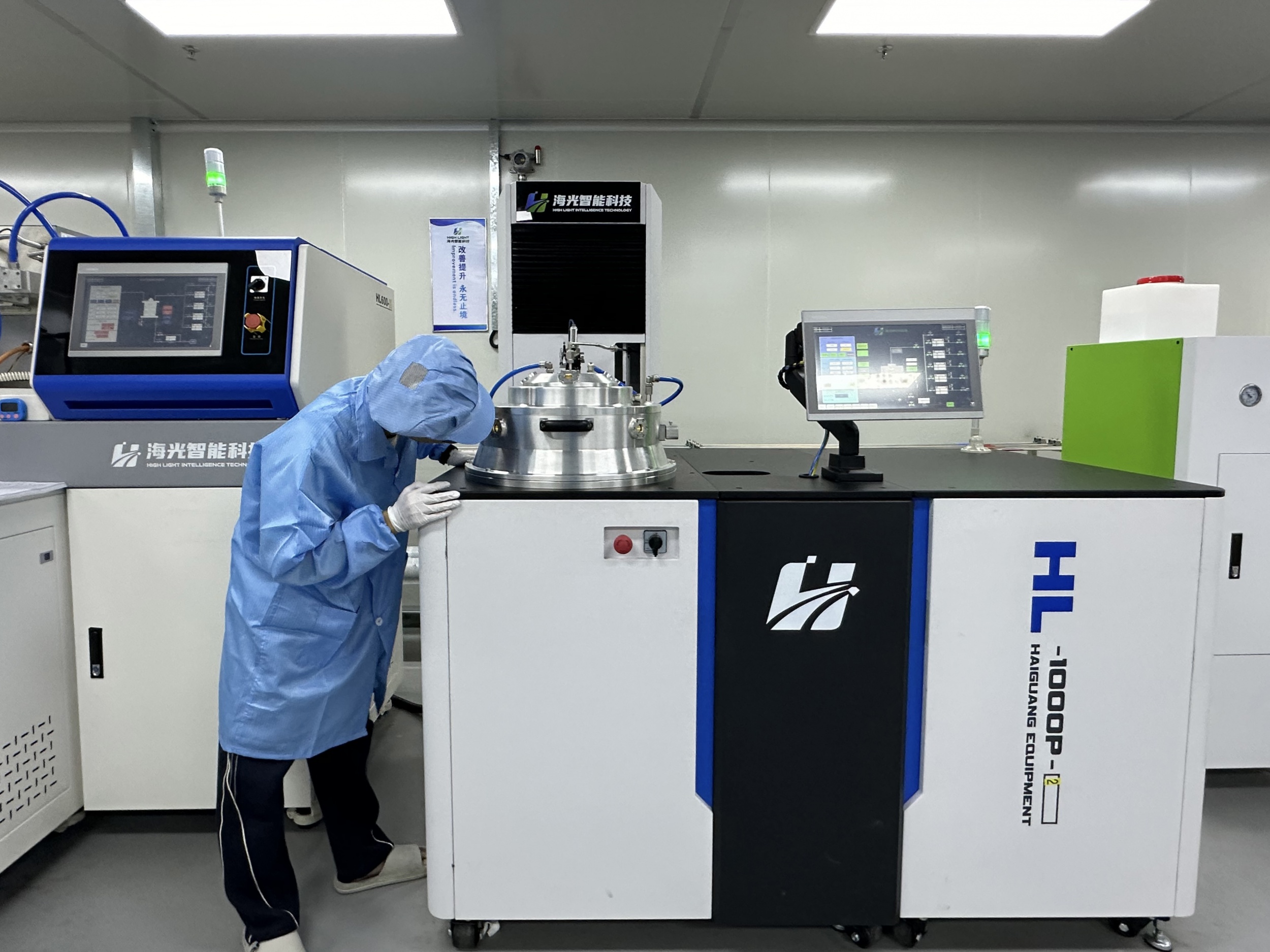
High Light lab-grown diamonds rely on its own growth and R&D center advantages, with sufficient inventory of large carat diamonds, classic round diamonds, special-shaped diamonds, colored diamonds, etc. If you want a more unique expression, we fully open private customization services.

Compared with the ecological damage risk of natural diamond mining, High Light's lab-grown diamonds can reduce the environmental footprint by 99%, making them dazzling and sustainable. With 1/3 the price of natural diamonds and the same fire and hardness, they reshape luxury with technology and art.
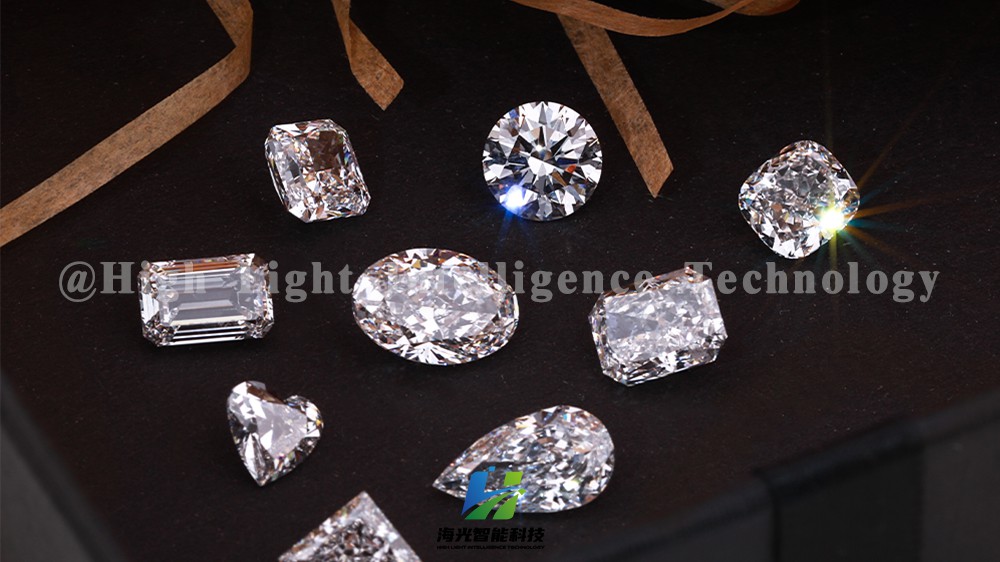
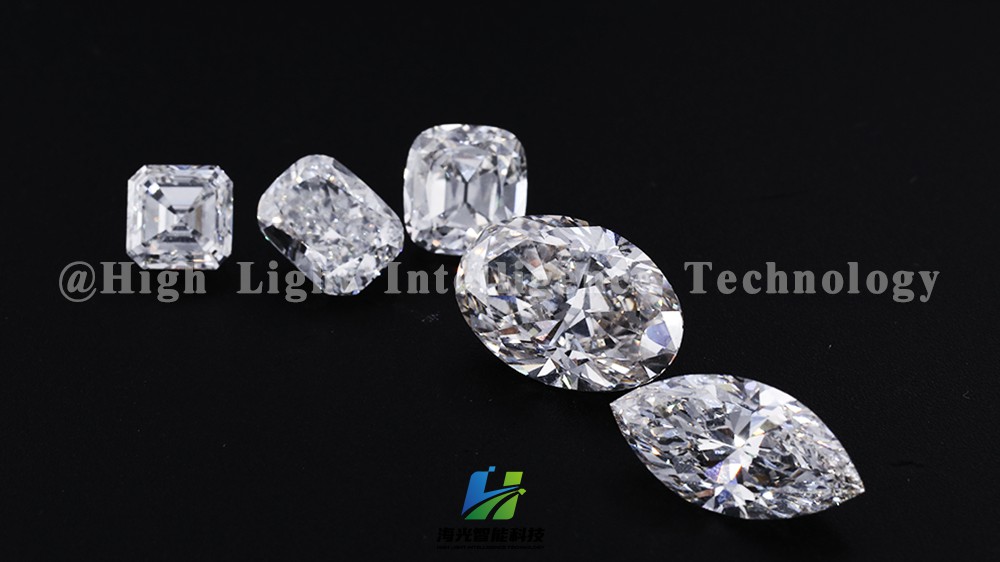
Applicable scenarios, light up your life
Wedding Ring Upgrade
Witness your eternal vows with a large carat diamond and pair it with a custom-made ring setting to brighten up your everyday look.

Self-reward
Reward yourself for your hard work with brilliance and record the milestones in your career and life.

Gift Giving
To commemorate surprises, holiday blessings, and expressions of gratitude, large carat diamonds condense silent affection and engrave eternal moments.
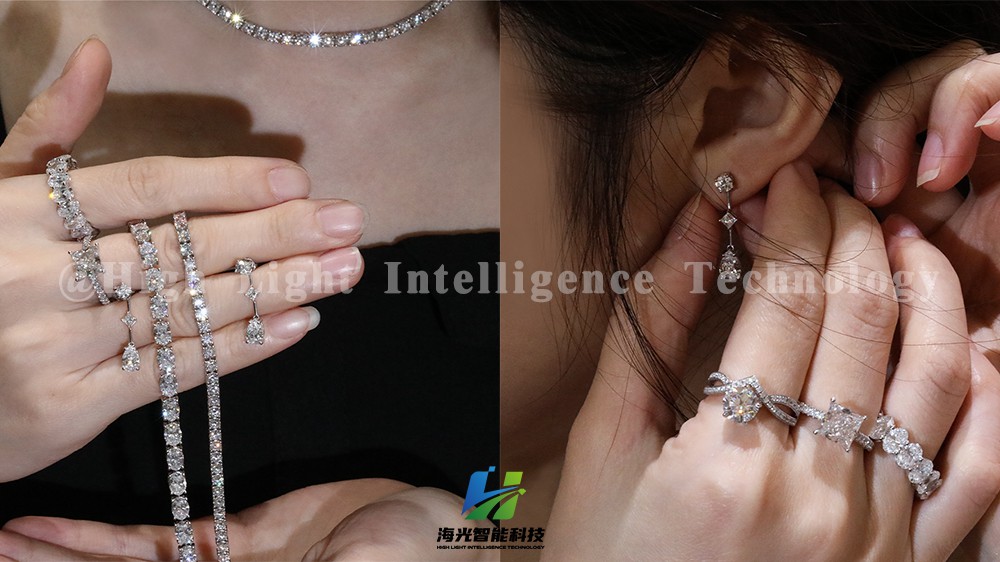
Accepting Reservations
✦









-

CVD Single-Crystal Diamonds: An Analysis of the Complete Processing Workflow from Gas-Phase Deposition to Finished Diamond Chips
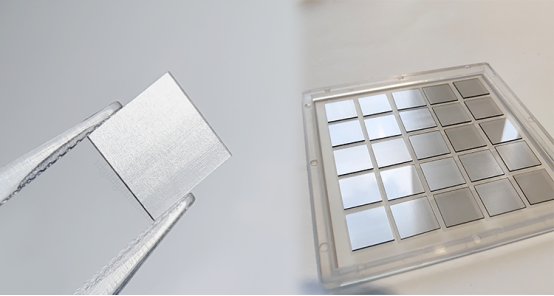
MPCVD (Microwave Plasma Chemical Vapor Deposition) technology is currently the core process for producing high-quality single-crystal diamond s. Thanks to its advantages of low defect rates, high purity, and controllable large dimensions, it is widely used in fields such as semiconductor heat dissipation, precision optics, and high-end sensors. The final quality of single-crystal diamond s depends on comprehensive process control throughout the entire workflow—from vapor deposition growth to pos
-
Single-Crystal or Polycrystalline Diamond — Which Has Greater Potential?
As diamond continues to enter industries such as semiconductors, thermal management, optics, high-power electronics, and precision machining, the requirements for diamond materials are also evolving.
-
Diamond Polishing and Grinding Processes: Core Challenges and Industry Hurdles
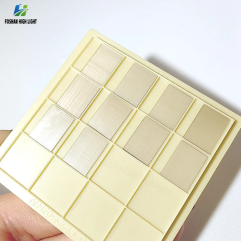
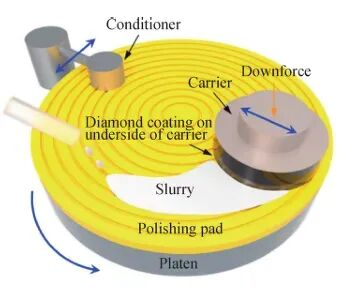
Diamond is often hailed as the “ultimate material” – ranking 10 on the Mohs hardness scale, boasting an ultra‑high thermal conductivity (~2,200 W/(m·K)), excellent chemical stability, and broad optical transparency. These properties make it irreplaceable in cutting‑edge applications such as semiconductor heat dissipation, high‑end optics, and quantum chips. Yet the paradox of “good materials are hard to process” is nowhere more evident than in diamond. From rough grinding for planarization to at
-
Single-Crystal vs Polycrystalline CVD Diamond: Process Difference Lies in Growth Logic, Not Equipment
The process difference between single crystal and polycrystalline CVD diamond lies not in equipment, but in growth logic. Single crystal and polycrystalline CVD diamond are two functional new materials with completely independent growth mechanisms, lattice structures and performance systems. Their process logic, product features and application boundaries diverge fundamentally from the very start of deposition and growth. Comparing or selecting materials without considering their underlying crys