- 中文
- English
- Español
Diamond: The "superhero" behind surgical robots
2025-03-26 10:36:45
Click:
“
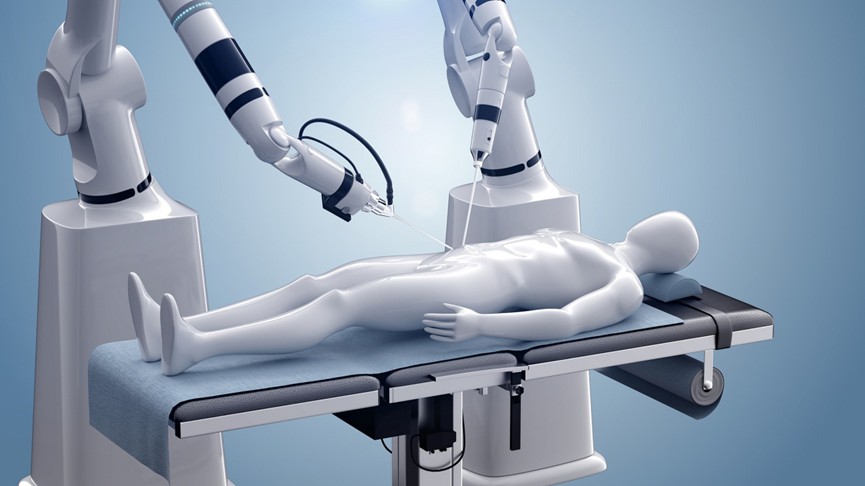
Surgical robots, which once existed only in science fiction, can accurately perform difficult surgeries, but now they have become a reality. They improve the quality of medical services with ultra-high precision, and with the integration of material science and AI technology, they are evolving from primary tools to highly intelligent and precise equipment. Medical robots are widely used around the world. Surgical instruments continue to innovate, with less trauma and higher precision. Surgical r
”
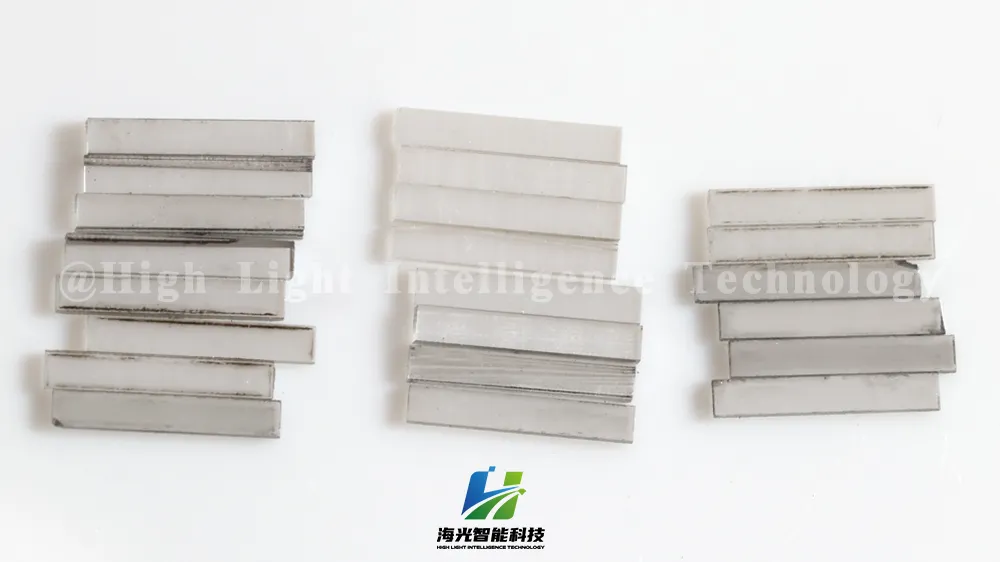
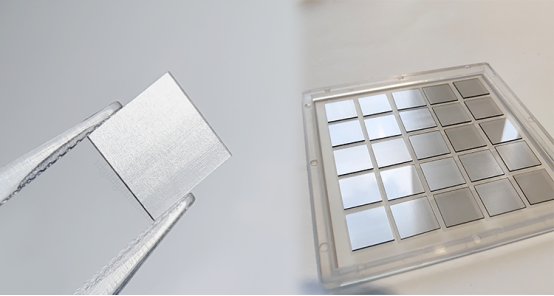
Diamond performs well in surgical robots due to its unique physical and chemical properties: high hardness and strong wear resistance ensure the accuracy and durability of instruments, good biocompatibility protects patient safety, high thermal conductivity prevents tissue thermal damage, and stable crystal structure ensures the accuracy and stability of robots.
So, what are the specific applications of diamond in surgical robots?
Surgical instrument coating: a new anti-slip tool
The surface of surgical instruments is processed by electrodepositing diamonds with an electrolyte containing carbon nanotubes, which has excellent anti-slip effect and can be easily held by doctors. When this technology is integrated into the surgical robot system, it will improve the precision and stability of the operation and reduce the risk of the instrument slipping.
Enhance surface strength and friction resistance
Diamond coating can improve the surface hardness of surgical instruments and prevent wear and deformation. After the coating is applied to robot tweezers and forceps, the gripping parts are more wear-resistant and pressure-resistant, extending their service life and maintaining good operating performance.
Manufacturing key parts: Robotic arm joint parts
Diamond is an ideal material for manufacturing key moving parts such as joints of surgical robot arms, due to its high hardness, wear resistance and strength. During long-term surgery, these parts can maintain high-precision movement, reduce wear errors, improve surgical accuracy, and not deform or damage when subjected to large loads.
Drills and cutting components: your best friend in bone surgery
During bone tissue cutting or drilling operations, diamond drill bits or tools can be operated quickly and accurately, and are hard enough to cut hard bones, reduce soft tissue damage, and improve surgical safety and efficiency.
Thermal management: the 'guardian' of electronic components
The electronic components inside the surgical robot generate a lot of heat when running for a long time. Diamond has high thermal conductivity and is an ideal material for manufacturing heat dissipation components, such as heat sinks and catheters. It can quickly conduct heat, reduce the temperature of the equipment, and ensure the stable and reliable performance of the electronic components.
Ultra-precision machining: creating the ultimate surgical tool
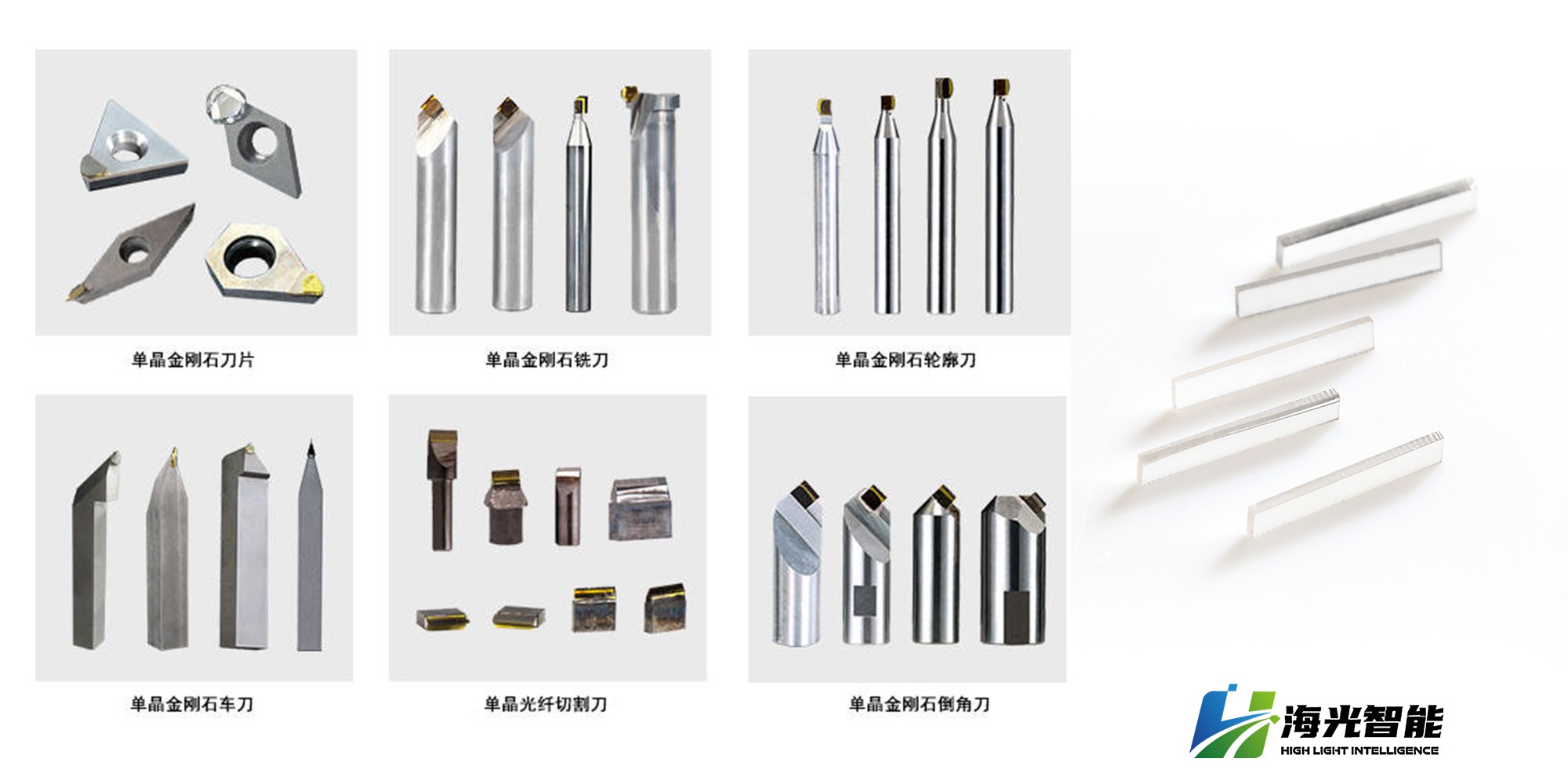
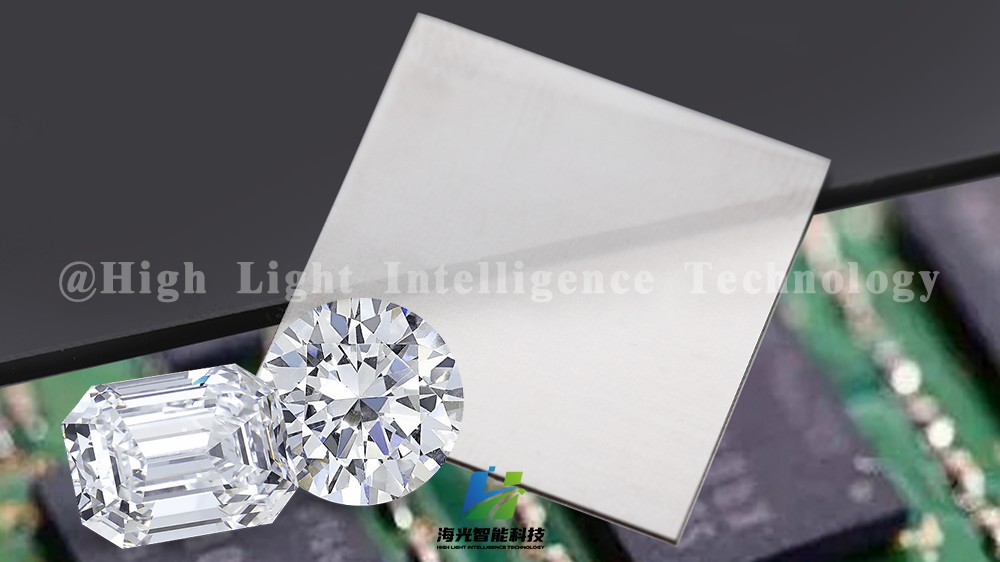
Diamond is the hardest substance in nature and can be processed with high precision. In the manufacture of surgical robots, its tools can be used to process surgical instruments with ultra-precision, ensuring that the details meet the design requirements. This precision is crucial for surgical robots, as even the slightest error may affect the surgical results. Diamond tools make surgical instruments more accurate and reliable, providing a strong guarantee for the success of the operation.
Sensor components: Improving the perception capabilities of surgical robots
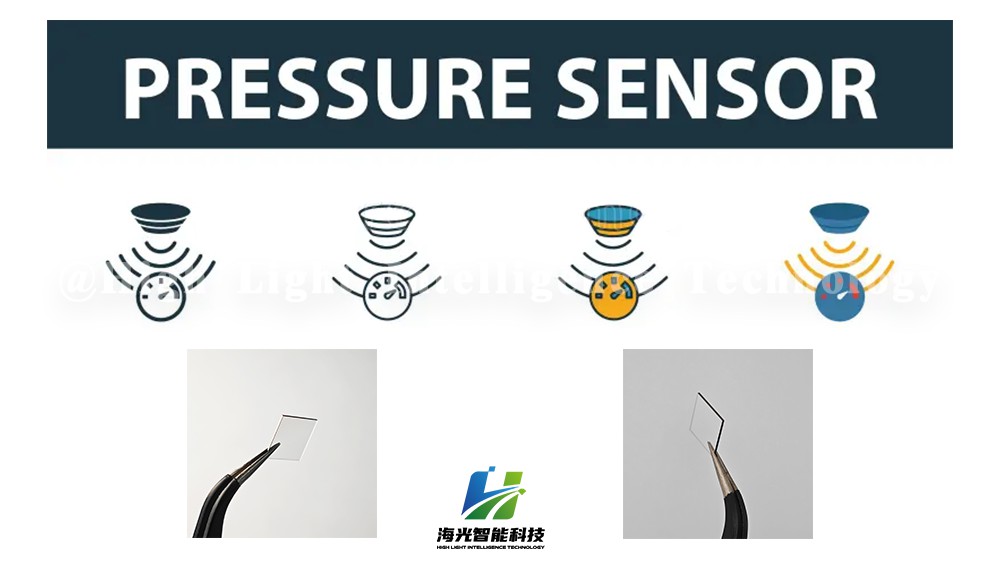
Surgical robots need to sense changes in the surgical environment in real time to respond accurately. Due to its unique physical properties, diamond can be used to manufacture highly sensitive sensor components that can sense force, temperature, pressure and other parameters to provide accurate feedback to the robot. This enables the robot to more accurately judge the progress and effect of the surgery and achieve precise operation.
Optical components: facilitating minimally invasive surgery
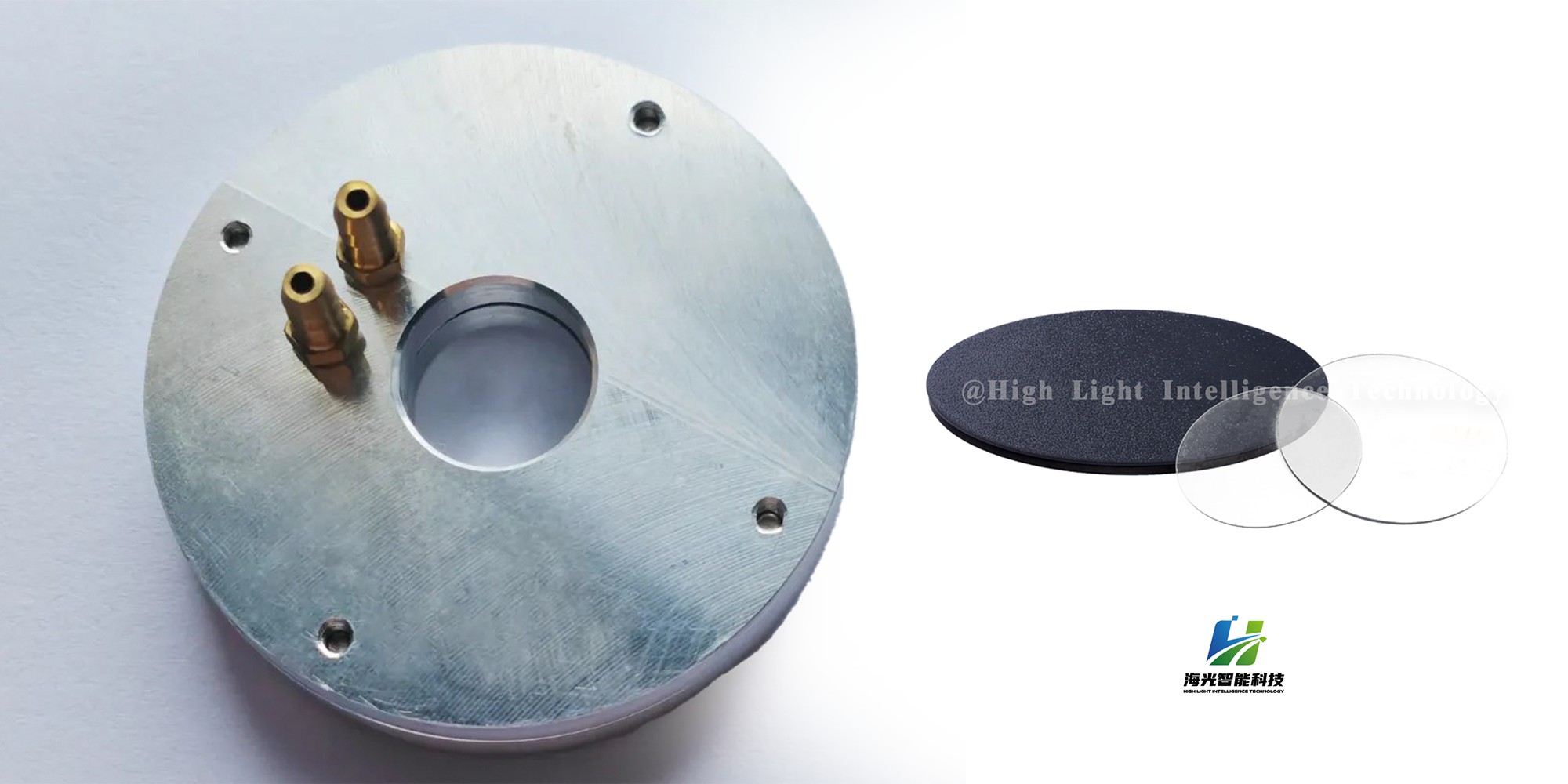
In minimally invasive surgery, surgical robots operate through tiny incisions, which requires high precision and stability of instruments and optical components. Diamonds can be used to manufacture optical components such as lenses and reflectors due to their high hardness and high thermal stability, ensuring clear and stable images, providing accurate visual feedback to doctors, and improving surgical accuracy and safety.
Future Outlook
High Light Intelligence Technology, a pioneer in the CVD diamond industry, has advanced MPCVD technology and CVD diamond production workshops. We focus on producing high-purity lab-grown diamonds for the jewelry industry, and at the same time create industrial-grade CVD diamond products, covering single crystals, polycrystalline, films and diamond surface metallization. We also provide 6kw/10kw/15kw MPCVD equipment to help customers in all aspects, from equipment to products, and then to all-round services, to create brilliance together.
*The articles and pictures are only for industry communication and sharing. If there is any infringement, please contact us to delete them.









-

Single-Crystal vs Polycrystalline CVD Diamond: Process Difference Lies in Growth Logic, Not Equipment
The process difference between single crystal and polycrystalline CVD diamond lies not in equipment, but in growth logic. Single crystal and polycrystalline CVD diamond are two functional new materials with completely independent growth mechanisms, lattice structures and performance systems. Their process logic, product features and application boundaries diverge fundamentally from the very start of deposition and growth. Comparing or selecting materials without considering their underlying crys
-
From Lab-Grown Diamonds to Industrial Diamonds: Is It Time to Build an MPCVD Factory?
The lab-grown diamond industry is entering a new stage. Over the these few years, lab-grown diamonds have gradually gained wider acceptance in the jewelry market. With the development of production technology, equipment maturity and supply chain improvement, the industry is becoming more standardized and efficient. But beyond jewelry, another opportunity is attracting more attention:Industrial diamond applications.
-
Diamond‑Copper Composite: A Next‑Generation Solution for High‑Power Electronics Thermal Management
Diamond‑copper composite (DC) is an advanced metal‑matrix composite material consisting of diamond particles as the reinforcement phase and copper as the matrix, fabricated through state‑of‑the‑art composite preparation techniques. Diamond has the highest thermal conductivity of any naturally occurring material, with isotropic values ranging from 1200 to 2300 W/m·K. Copper, with a thermal conductivity of 401 W/m·K, ranks second only to silver among common metals. By combining the two, the compo
-
Mosaic Single‑Crystal Diamond: Breaking Size Limits
With an ultra‑wide bandgap of 5.47 eV, ultra‑high thermal conductivity (>2000 W/m·K), high carrier mobility (electron mobility up to 4500 cm²·V⁻¹·s⁻¹), and ultra‑high theoretical breakdown field strength (>10 MV/cm), Single‑Crystal Diamond (SCD) is an ideal candidate for next‑generation high‑power, high‑frequency and extreme‑environment electronic devices. However, both natural diamond and HPHT‑synthesized single‑crystal diamond are limited in lateral size, which greatly hinders large‑scal