- 中文
- English
- Español
Diamond Color Characteristics
2023-03-24 17:10:45
Click:
“
According to the characteristics of diamond color, diamonds are generally divide
”
According to the characteristics of diamond color, diamonds are generally divided into two categories: colorless series and colored series.
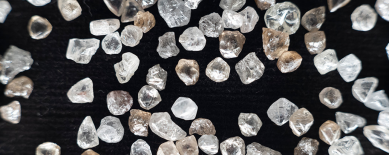
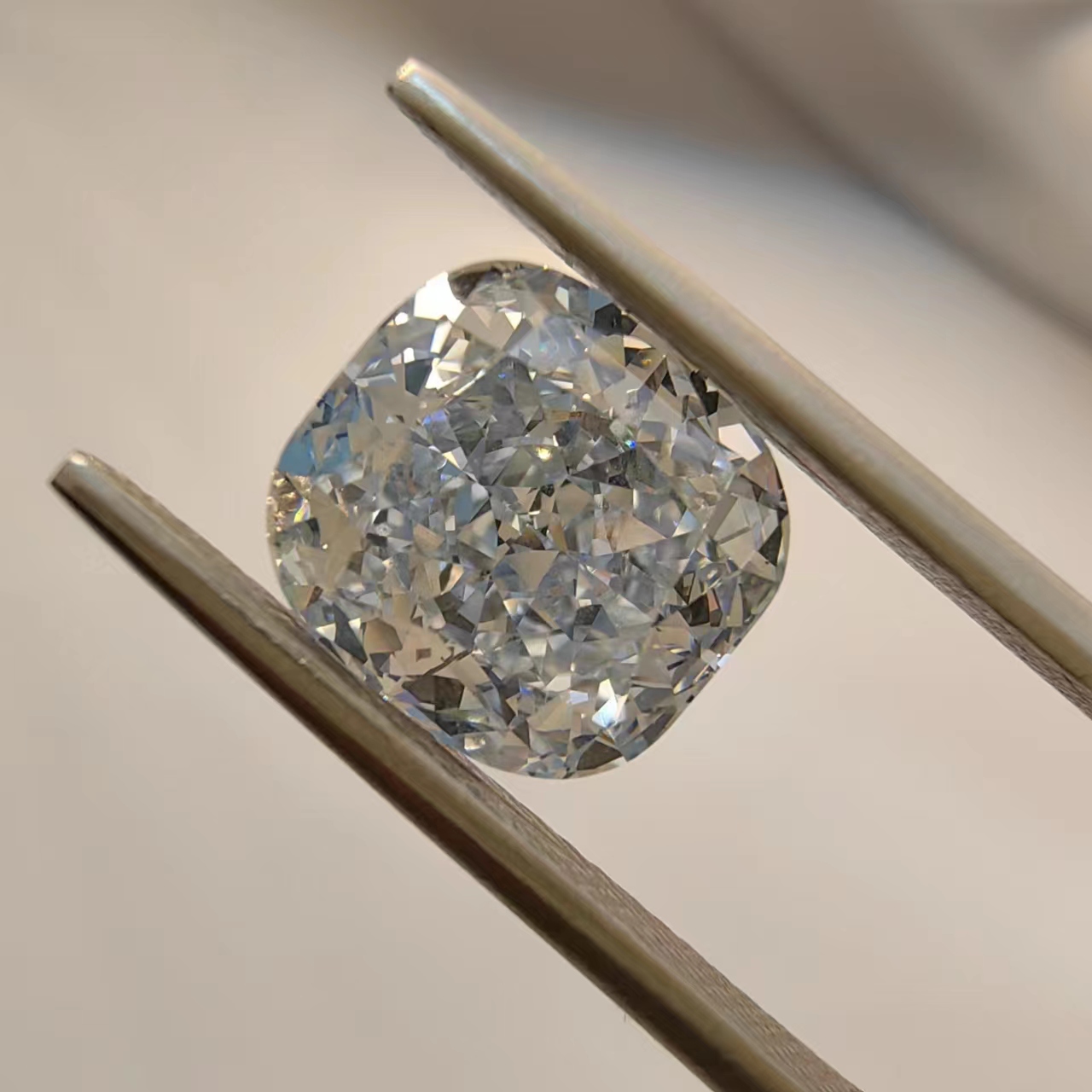
The colorless series, also known as the Cape series, includes diamonds from colorless to light yellow, light brown, light gray and other hues. Among them, the most common ones are diamonds with a yellow tint, which is mainly due to the small amount of N element in them. Most of the diamonds produced in nature belong to this series.
The color series includes yellow, golden yellow, brown, red, pink, purple, blue, green and other colors. Most fancy colored diamonds are dark in color and intense to medium saturated fancy colored diamonds are extremely rare. Colored diamonds are caused by a small amount of impurity N, B and H atoms entering the crystal structure of diamonds to form various color centers; or due to the plastic deformation of the crystal when diamonds are formed under high temperature and very high pressure conditions, the internal structure is formed. Dislocations, defects, absorb certain wavelengths of visible light and give diamonds their color. Another situation is that after the formation of diamonds, in the long geological age, due to the radiation of radioactive elements in the surrounding environment, the crystal structure of diamonds will be damaged, which will also cause diamonds to produce color. So, there are many possible reasons for a diamond's color.
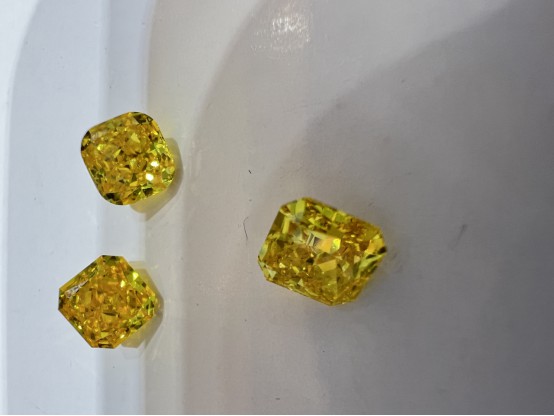
(1) Colorless series and yellow diamonds Pure diamonds without structural defects are colorless, but very rare. As an isomorphic substitution element of C, N often exists in the crystal structure of diamonds, making diamonds appear yellow. The higher the content of N element, the deeper the yellow color of diamonds.
(2) Blue diamond A small amount of B element replaces the C in the diamond to make the diamond appear blue. According to data records, blue diamonds without B were discovered in Argyll, Australia, which was caused by the H element.
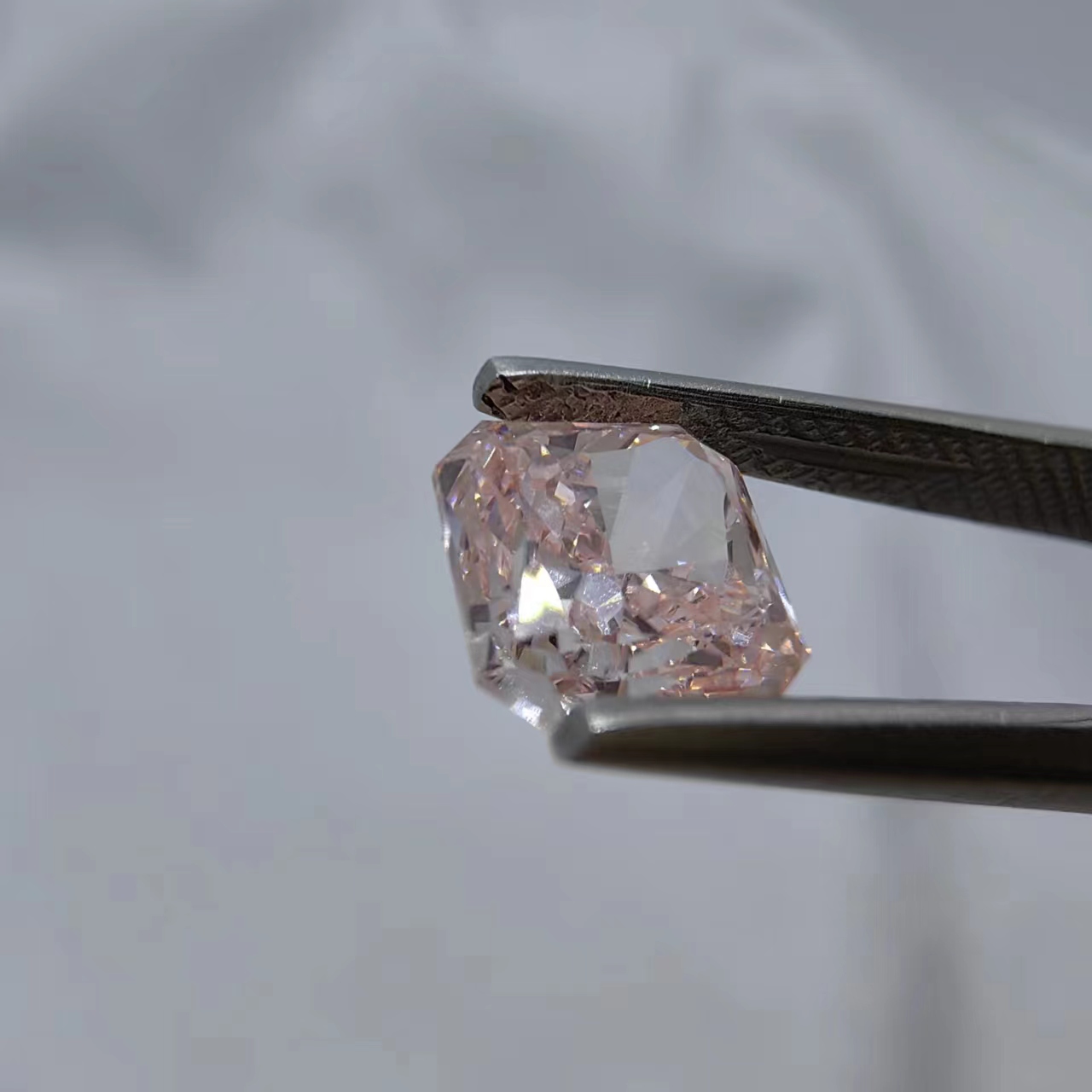
(3) The color of pink and maroon diamonds is mainly caused by the plastic deformation of diamond crystals.
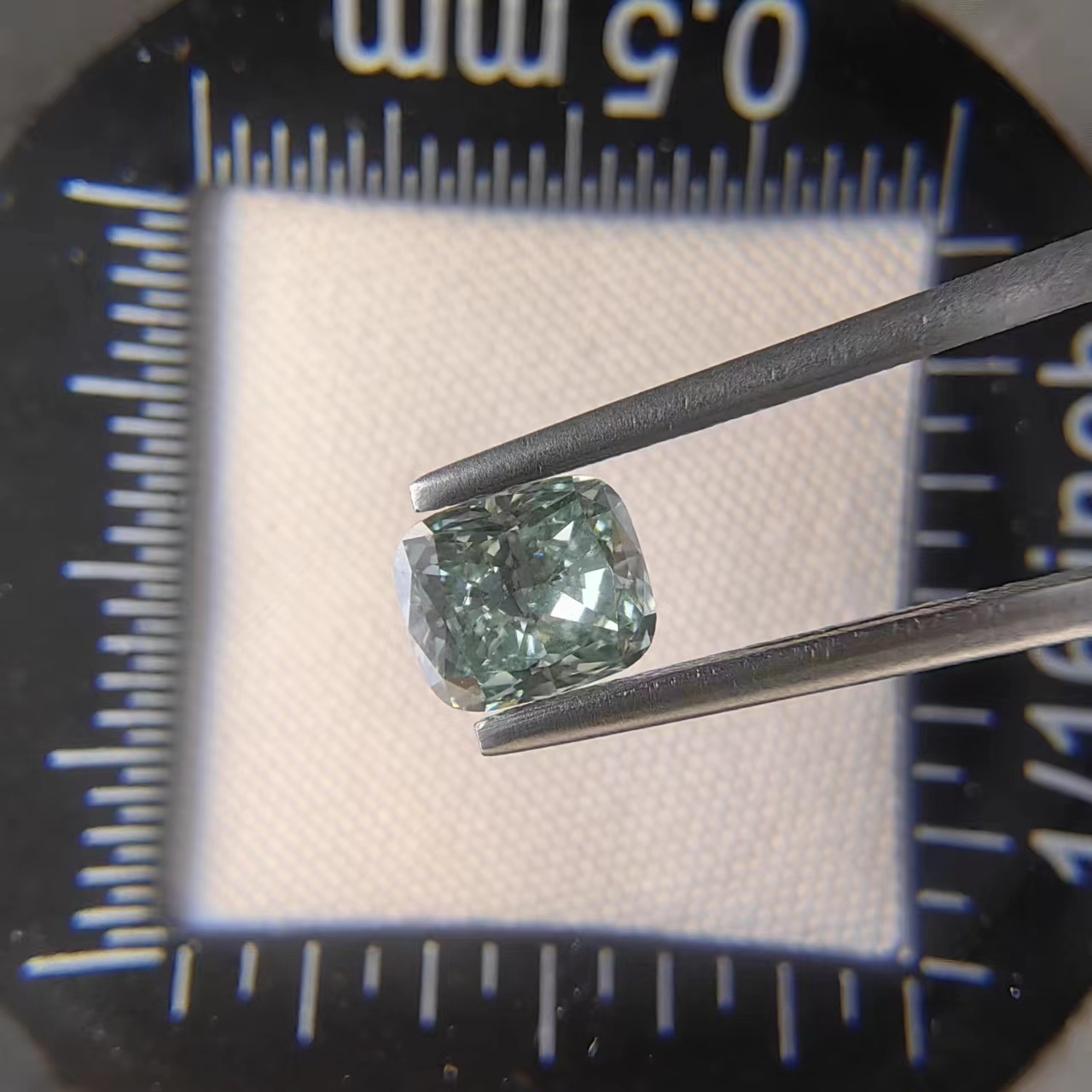
(4) The color of green diamonds is caused by radiation from radioactive elements.









-

CVD Single-Crystal Diamonds: An Analysis of the Complete Processing Workflow from Gas-Phase Deposition to Finished Diamond Chips
MPCVD (Microwave Plasma Chemical Vapor Deposition) technology is currently the core process for producing high-quality single-crystal diamond s. Thanks to its advantages of low defect rates, high purity, and controllable large dimensions, it is widely used in fields such as semiconductor heat dissipation, precision optics, and high-end sensors. The final quality of single-crystal diamond s depends on comprehensive process control throughout the entire workflow—from vapor deposition growth to pos
-
Single-Crystal or Polycrystalline Diamond — Which Has Greater Potential?
As diamond continues to enter industries such as semiconductors, thermal management, optics, high-power electronics, and precision machining, the requirements for diamond materials are also evolving.
-
Diamond Polishing and Grinding Processes: Core Challenges and Industry Hurdles
Diamond is often hailed as the “ultimate material” – ranking 10 on the Mohs hardness scale, boasting an ultra‑high thermal conductivity (~2,200 W/(m·K)), excellent chemical stability, and broad optical transparency. These properties make it irreplaceable in cutting‑edge applications such as semiconductor heat dissipation, high‑end optics, and quantum chips. Yet the paradox of “good materials are hard to process” is nowhere more evident than in diamond. From rough grinding for planarization to at
-
Single-Crystal vs Polycrystalline CVD Diamond: Process Difference Lies in Growth Logic, Not Equipment
The process difference between single crystal and polycrystalline CVD diamond lies not in equipment, but in growth logic. Single crystal and polycrystalline CVD diamond are two functional new materials with completely independent growth mechanisms, lattice structures and performance systems. Their process logic, product features and application boundaries diverge fundamentally from the very start of deposition and growth. Comparing or selecting materials without considering their underlying crys