- 中文
- English
- Español
CVD Diamond Production Principles
2023-05-08 20:22:33
Click:
“
The full English name of MPCVD is Microwave Plasma Chemical Vapor Deposition, that is, "microwave plasma chemical vapor deposition". This is a process of producing CVD rough diamonds with microwave as energy source and gas CH4, H2, N2, CO2 as raw materials.
”
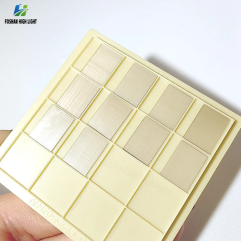
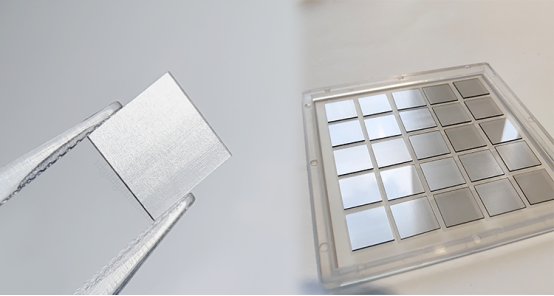
The growth of CVD rough diamonds starts from qualified CVD seeds, and excellent seeds have the following characteristics:
1. The inside of the seed crystal is clean
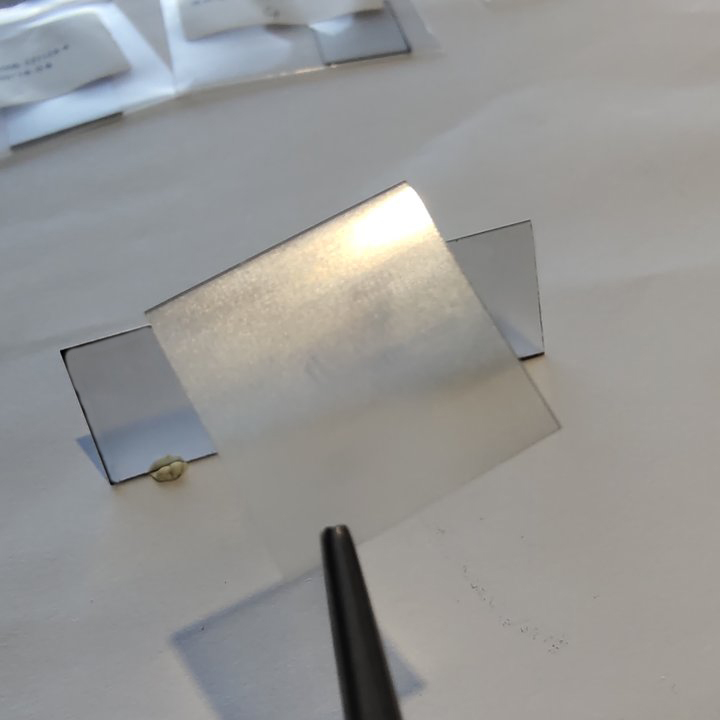
3. The four sides and four corners of the seed crystal are not damaged
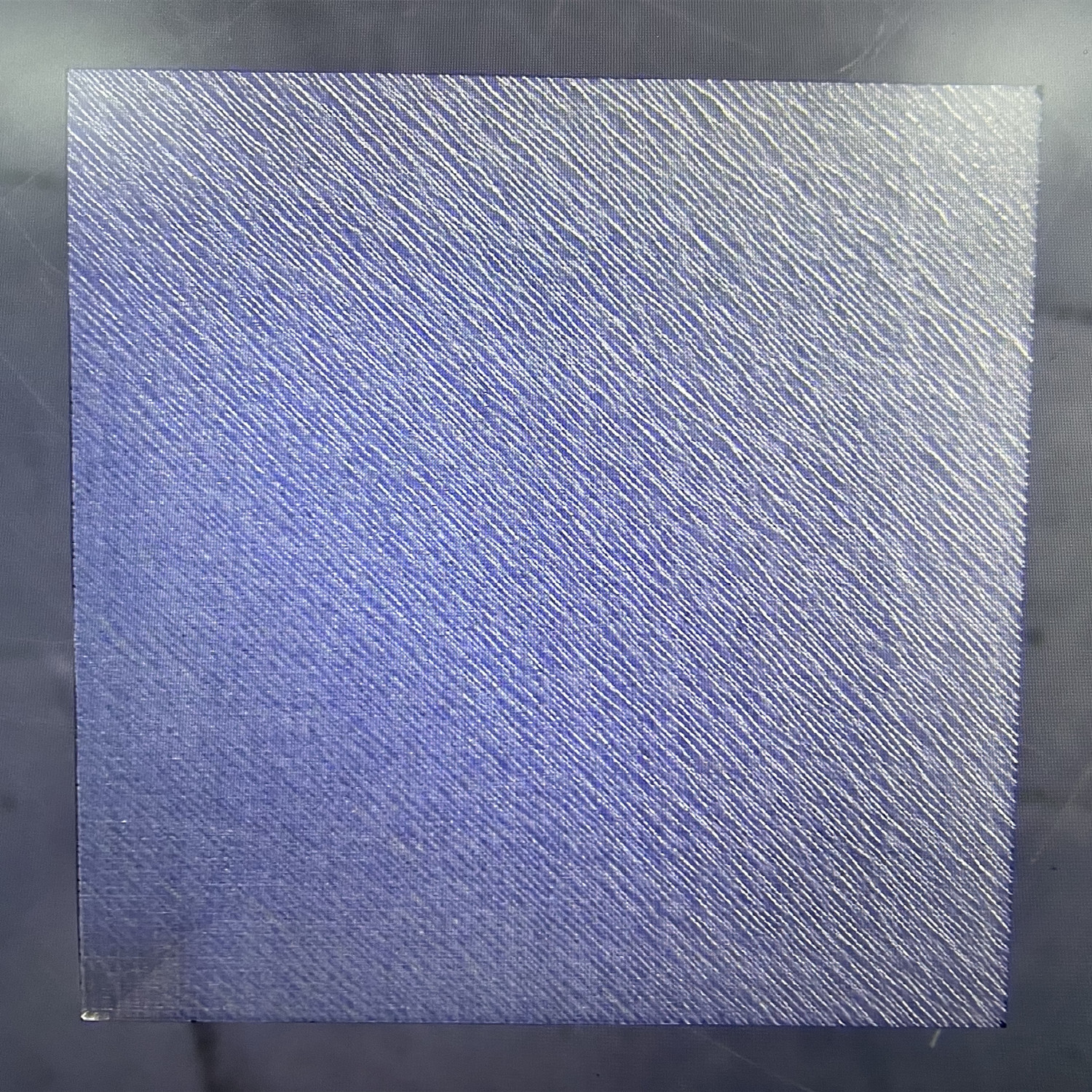
4. Uniform stress distribution
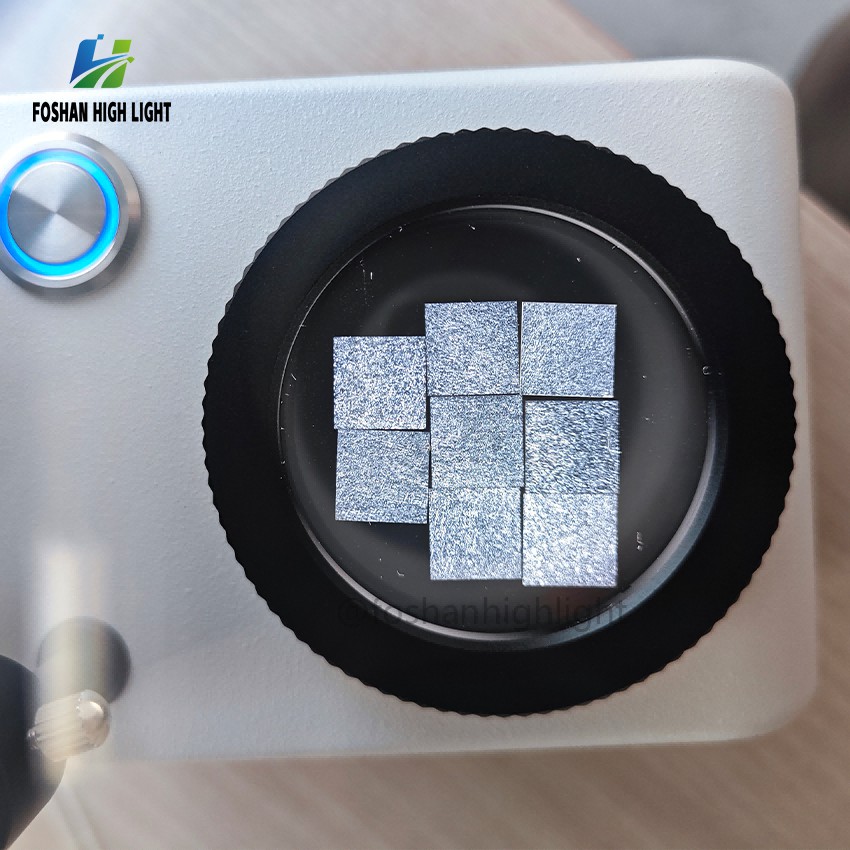
5. The same size and color are unified
The above four points are to ensure that the seed crystal will not produce cracks during the growth process. Once cracks occur, it is easy to crack during the subsequent rough diamond processing process and become broken diamonds, and the value will be greatly reduced.
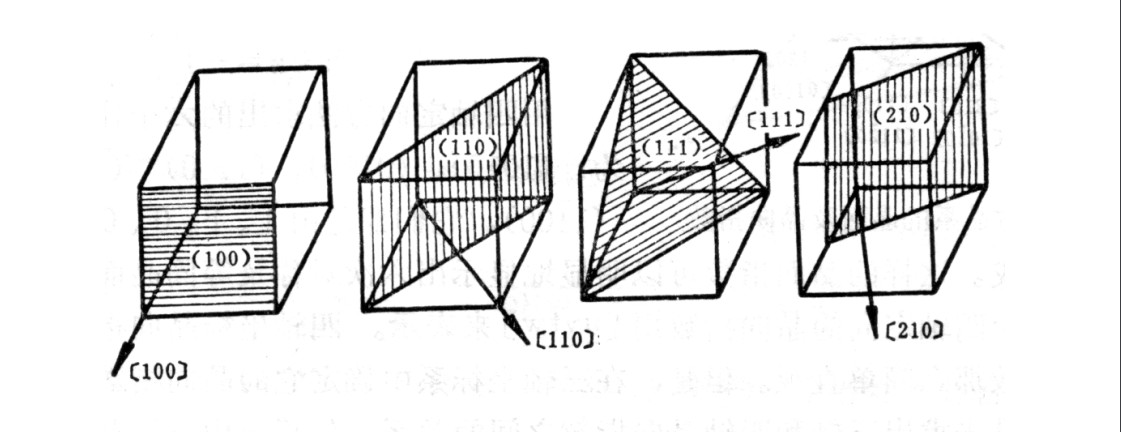
In addition to the above quality points, the production quality of CVD rough diamonds is also related to the crystal orientation of the seed crystal. Crystal orientation is a relatively complex concept, which is simplified here for readers to understand. If you want to know more about it, you can refer to relevant information. To understand the crystal orientation simply, we divide the crystal orientation of the seeds that can grow into 100 and 110, 110 means that the seed crystal can grow up and down, and 100 means that the seed crystal can grow up and down and around.
Speaking of this, some people will say, it must be 100% good, and all eight sides can grow, so can you use small crystal seeds to grow into larger rough diamonds? In principle, this is feasible, but in fact such a technology is far from mature. At present, very few people have mastered the growth technology of 100 crystal orientation seeds, and most lab-grown diamond manufacturers have only mastered the growth of 110 crystal seeds. technology.

Therefore, if there is no 100-seed growth technology, it is a waste of cost to purchase 110-seed crystals. If the growth process is not well controlled, a batch of seed crystals may be wasted, and this all depends on a team of engineers with strong enough technology.
CVD seeds are grown in MPCVD diamond machines. The full English name of MPCVD is Microwave Plasma Chemical Vapor Deposition, that is, "microwave plasma chemical vapor deposition". This is a process of producing CVD rough diamonds with microwave as energy source and gas CH4, H2, N2, CO2 as raw materials.
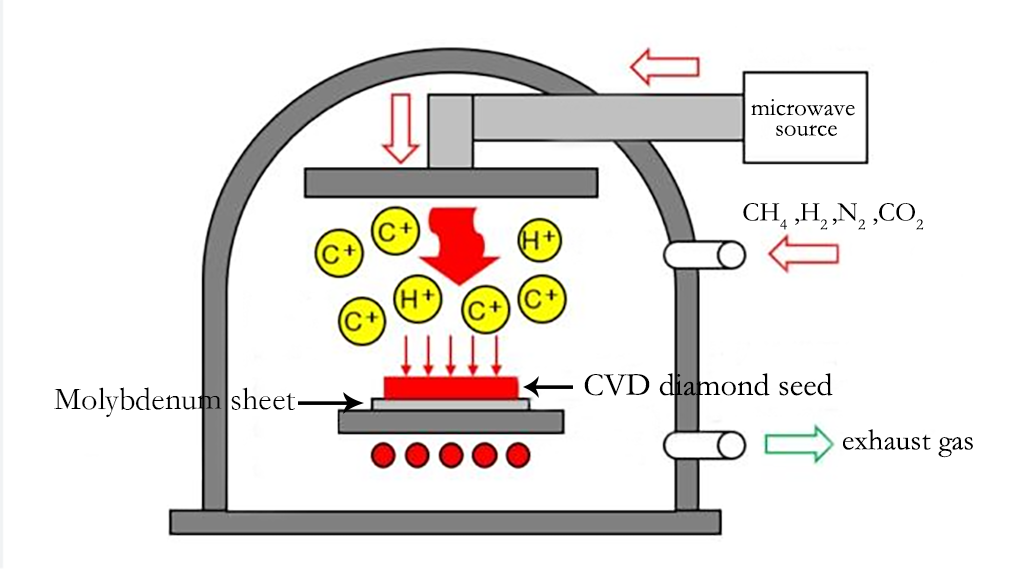
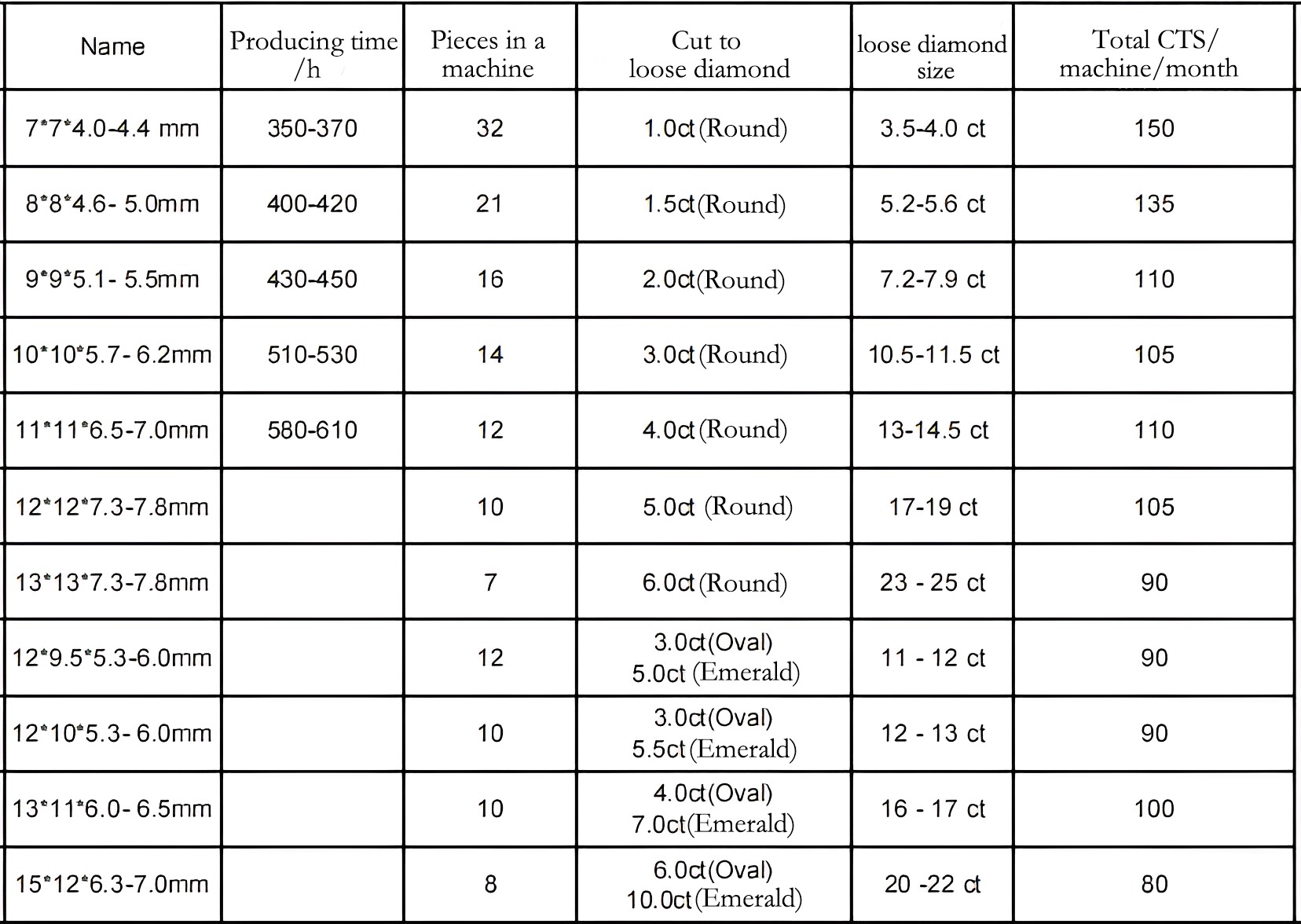
Diamond is composed of C element. One C atom combines with other four C atoms to form a tetrahedral structure similar to CH4. Under the ionization action of microwave source, CH4 gradually ionizes to lose the "-H" group, and the remaining C atoms Gradually deposited on the surface of the seed crystal, forming the chemical structure "C4" of diamond. We only need a certain amount of time, and different sizes of seed crystals take different times to grow into rough diamonds. For example, a furnace of 7x7 seed crystals has 32 pieces, and it takes 350-370 hours to grow, about 14-16 days.









Prev : How to measure the crown angle visually
Next : What to pay attention to when investing in MPCVD diamond machines
Thank you for your liking
YouArticle
已有49人推荐
-

CVD Single-Crystal Diamonds: An Analysis of the Complete Processing Workflow from Gas-Phase Deposition to Finished Diamond Chips
MPCVD (Microwave Plasma Chemical Vapor Deposition) technology is currently the core process for producing high-quality single-crystal diamond s. Thanks to its advantages of low defect rates, high purity, and controllable large dimensions, it is widely used in fields such as semiconductor heat dissipation, precision optics, and high-end sensors. The final quality of single-crystal diamond s depends on comprehensive process control throughout the entire workflow—from vapor deposition growth to pos
-
Single-Crystal or Polycrystalline Diamond — Which Has Greater Potential?
As diamond continues to enter industries such as semiconductors, thermal management, optics, high-power electronics, and precision machining, the requirements for diamond materials are also evolving.
-
Diamond Polishing and Grinding Processes: Core Challenges and Industry Hurdles
Diamond is often hailed as the “ultimate material” – ranking 10 on the Mohs hardness scale, boasting an ultra‑high thermal conductivity (~2,200 W/(m·K)), excellent chemical stability, and broad optical transparency. These properties make it irreplaceable in cutting‑edge applications such as semiconductor heat dissipation, high‑end optics, and quantum chips. Yet the paradox of “good materials are hard to process” is nowhere more evident than in diamond. From rough grinding for planarization to at
-
Single-Crystal vs Polycrystalline CVD Diamond: Process Difference Lies in Growth Logic, Not Equipment
The process difference between single crystal and polycrystalline CVD diamond lies not in equipment, but in growth logic. Single crystal and polycrystalline CVD diamond are two functional new materials with completely independent growth mechanisms, lattice structures and performance systems. Their process logic, product features and application boundaries diverge fundamentally from the very start of deposition and growth. Comparing or selecting materials without considering their underlying crys