- 中文
- English
- Español
What to pay attention to when investing in MPCVD diamond machines
2023-05-09 20:22:33
Click:
“
Before the laboratory-grown diamond market forms a perfectly competitive market, be the first batch of people who eat crabs
”
First of all, let’s take a look at the development history of CVD diamonds, and see what kind of technical state CVD diamonds have developed to. Is it mature enough to invest in the first batch of manufacturers, before the lab-grown diamond market forms a fully competitive market? , to be the first batch of people to eat crabs?
In 1954, a group of researchers from the American CVD Diamond Company created an artificial diamond in the laboratory. In the 1950s, chemical vapor deposition (CVD) was used to deposit carbon from a carbon-containing mixed gas into a diamond matrix.
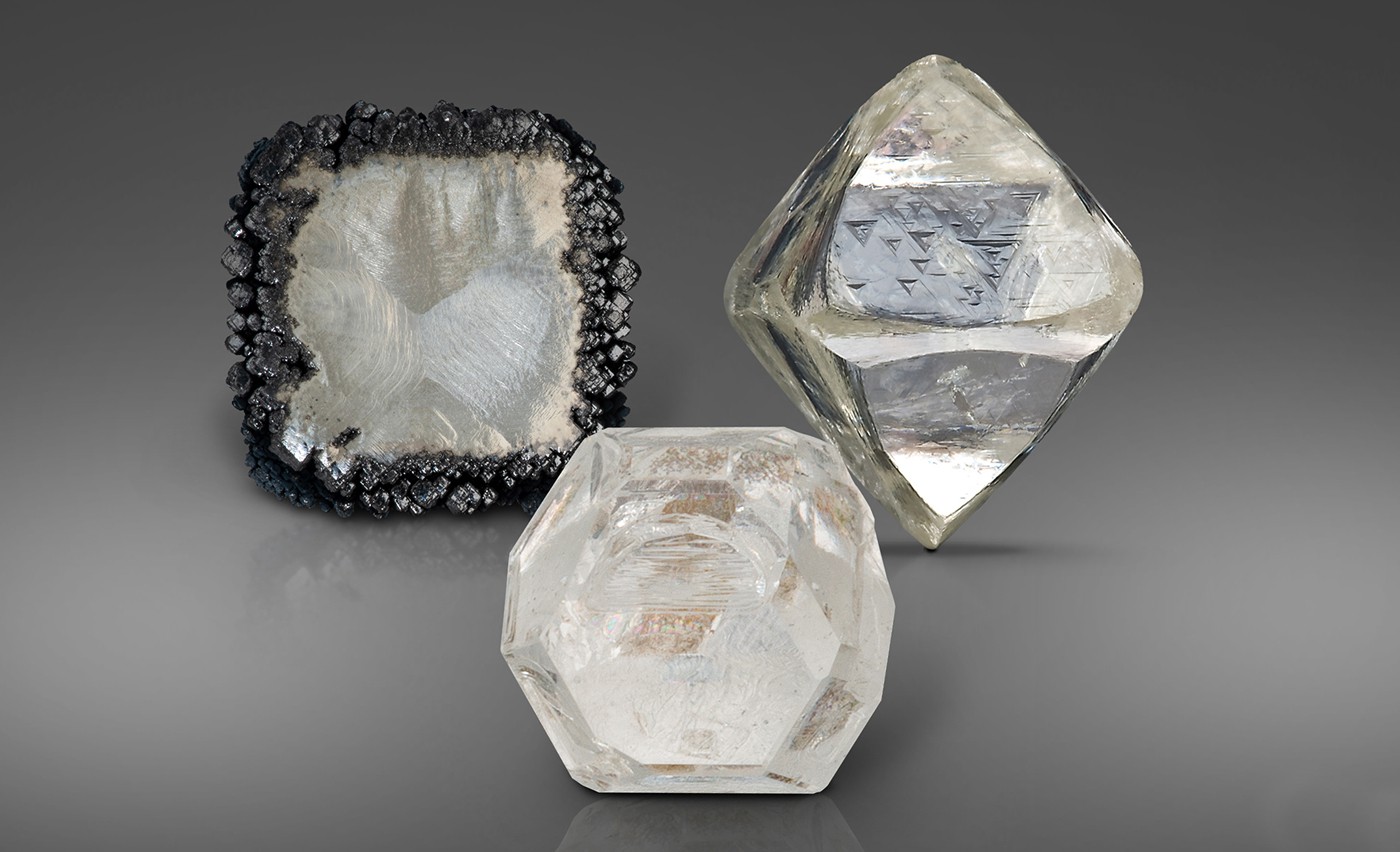
In 1963, my country's first cultivated diamond was born.
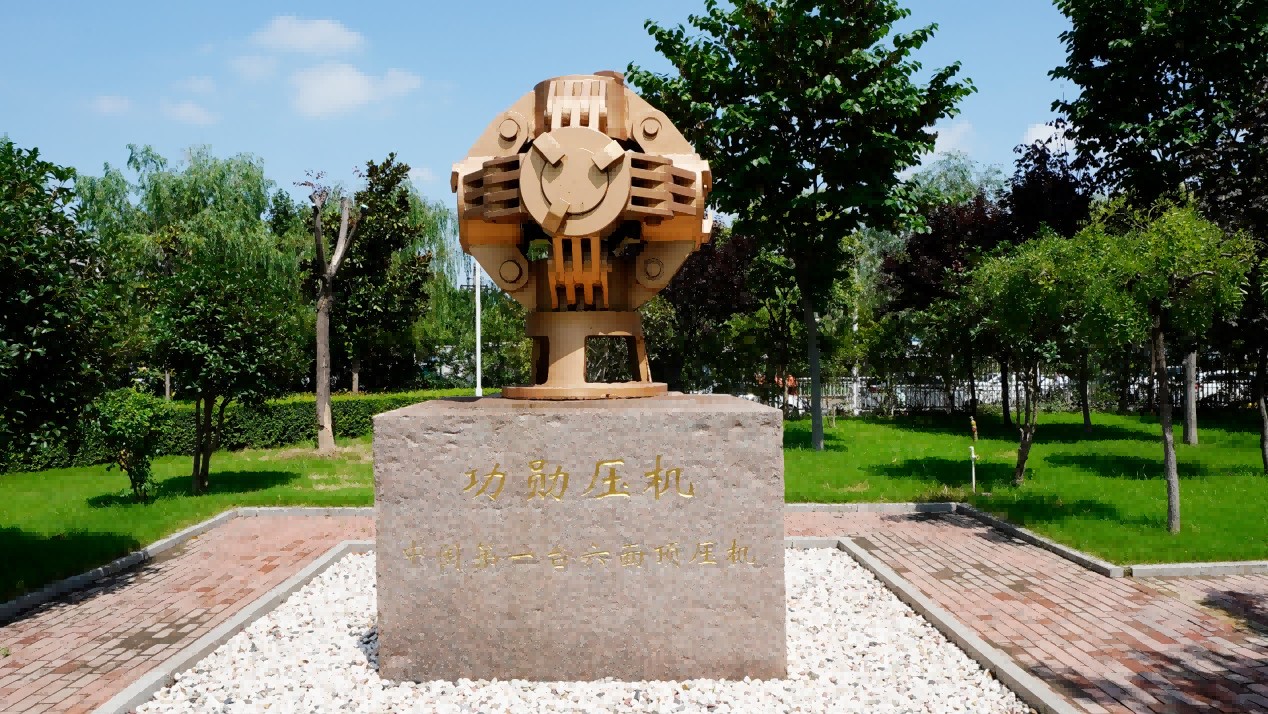
In 1971, General Motors of the United States developed gem-quality lab-grown diamonds, but the cost was too high to be marketed.
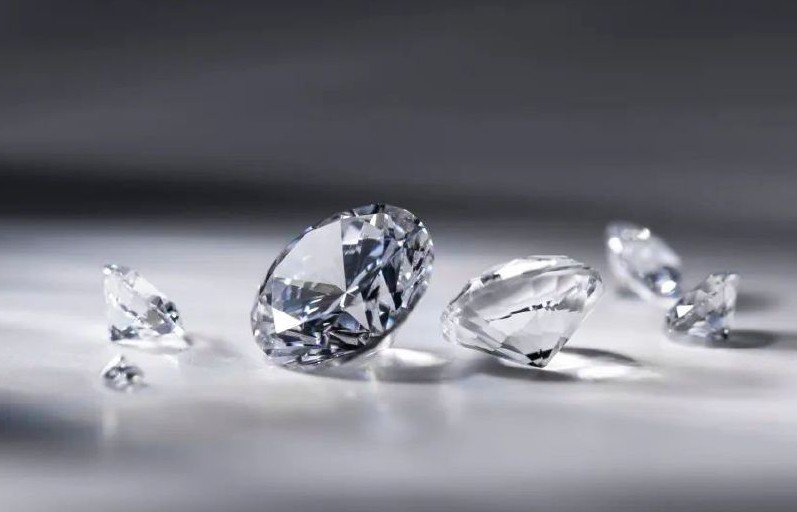
In 2012, cultivated diamonds officially appeared in the public eye.
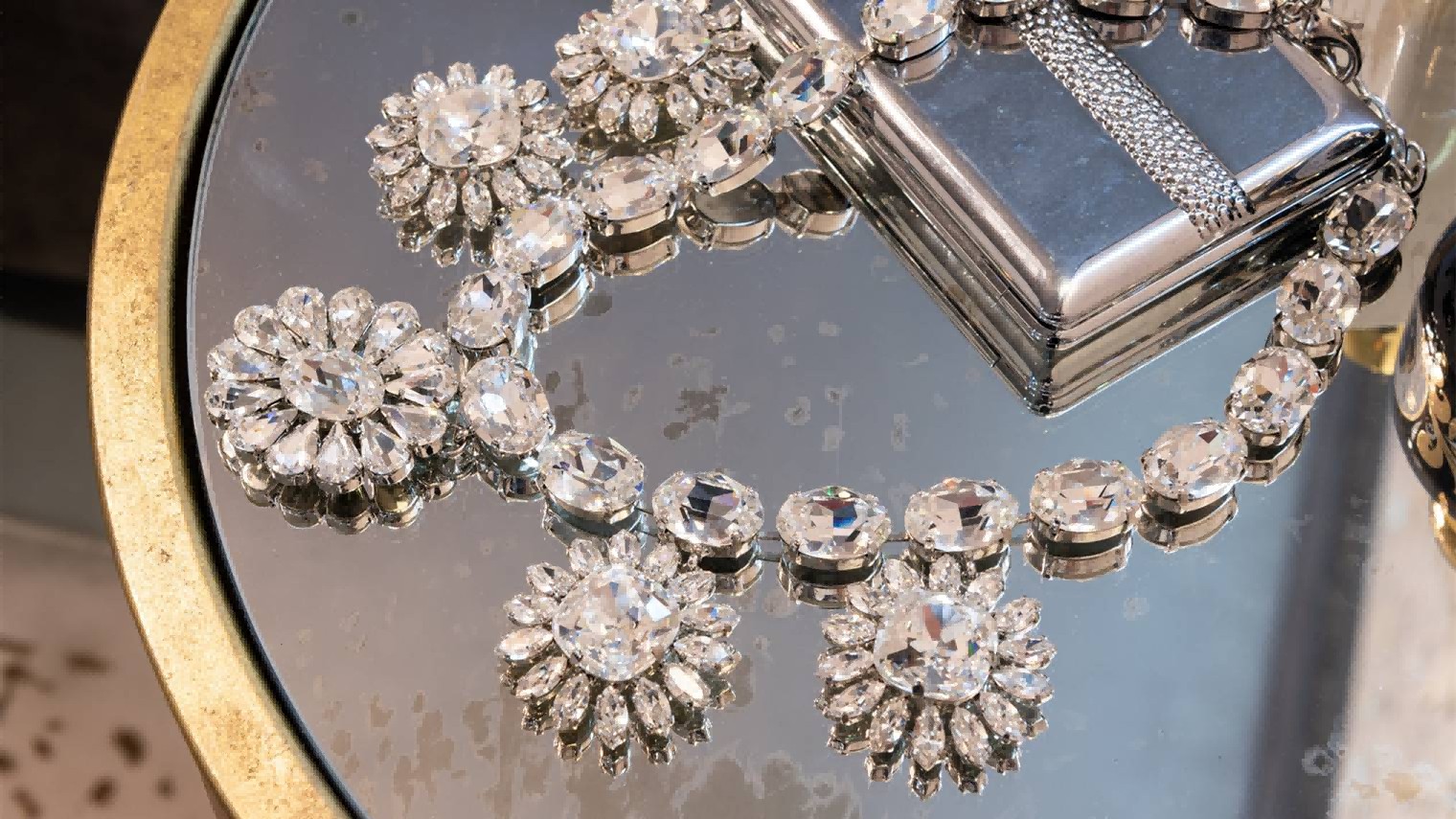
From 2013 to 2015 is the game year for monopoly manufacturers of lab-grown diamonds and natural diamonds.
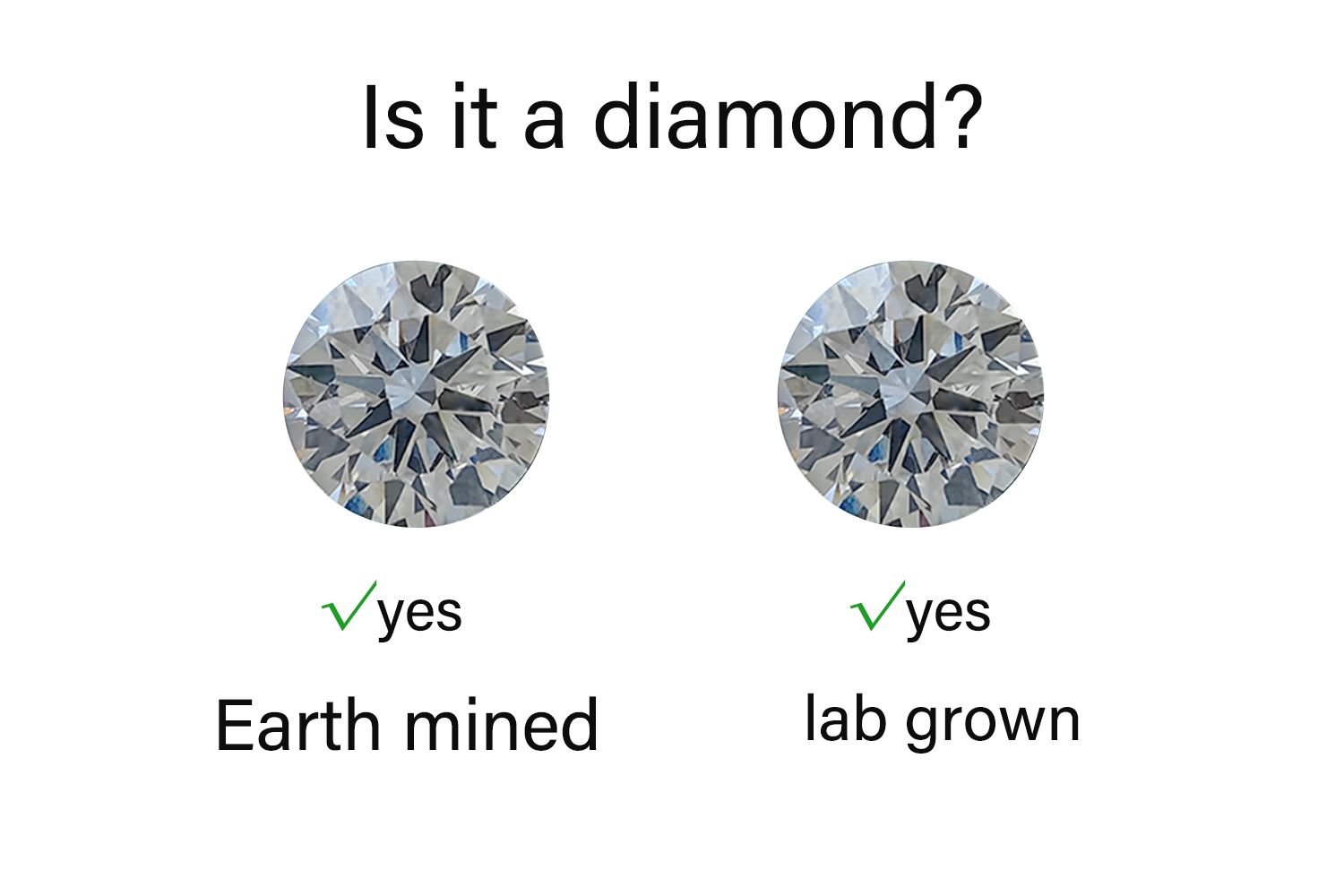
From 2016 to 2017, Indians came to China to purchase and stock up in large quantities, but because the market had not yet been cultivated, they carried out price reductions and promotions, and the prices plummeted. Fortunately, the European and American markets have begun to grow, and the domestic backlog of production capacity has flowed into the European and American markets in short supply.
In 2016, our company started selling diamond products.
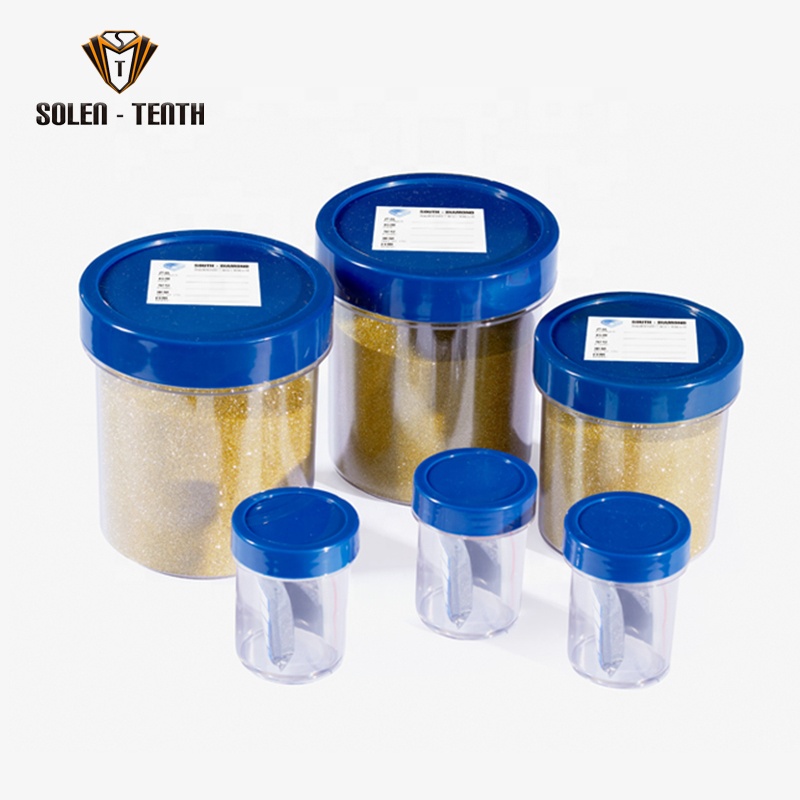
In 2018, De Beers launched the lab-grown diamond brand LightBox, and priced it at $800/carat, in order to tell everyone that lab-grown diamonds are worthless, and the purpose is to continue to protect the high price status of their natural diamonds.
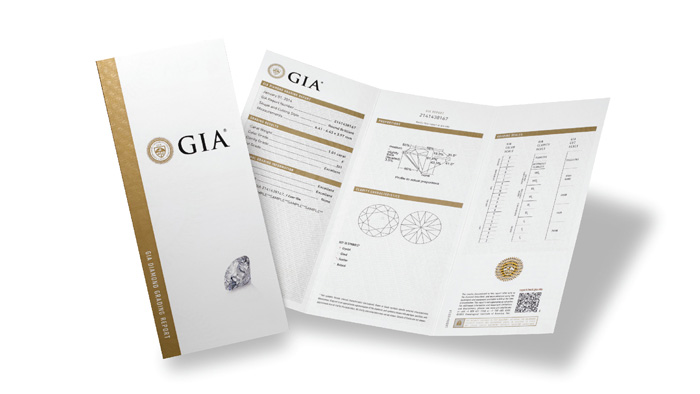
On October 13, 2020, GIA issued an announcement stating that the new version of the lab-grown diamond test report (LGDR: Laboratory Grown Diamond Report) will be officially launched, and will clearly state whether the diamond is made by CVD or HPHT process, and whether there is any later color change processing etc.
In 2021, our company will start selling lab-grown diamond jewelry and loose diamonds.
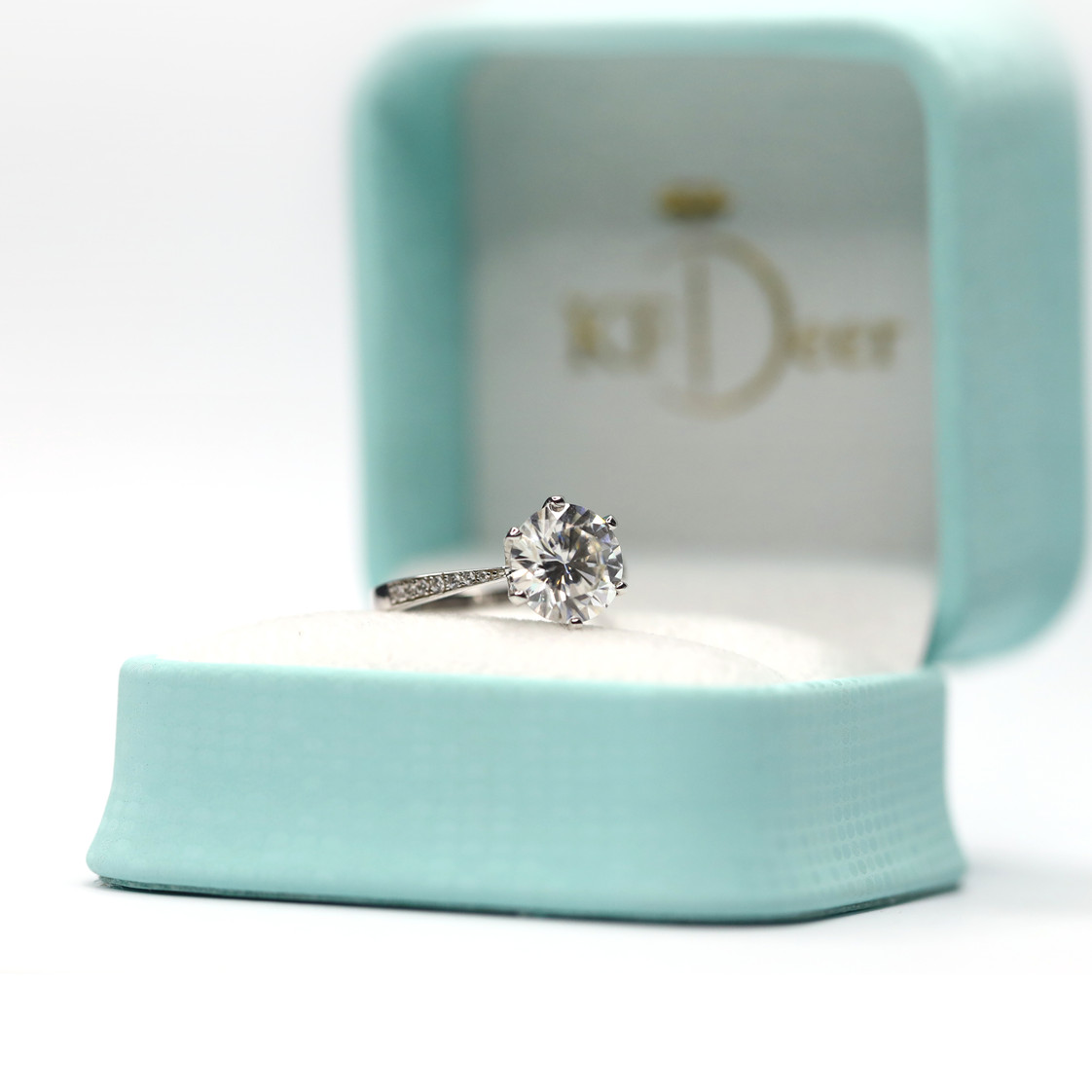
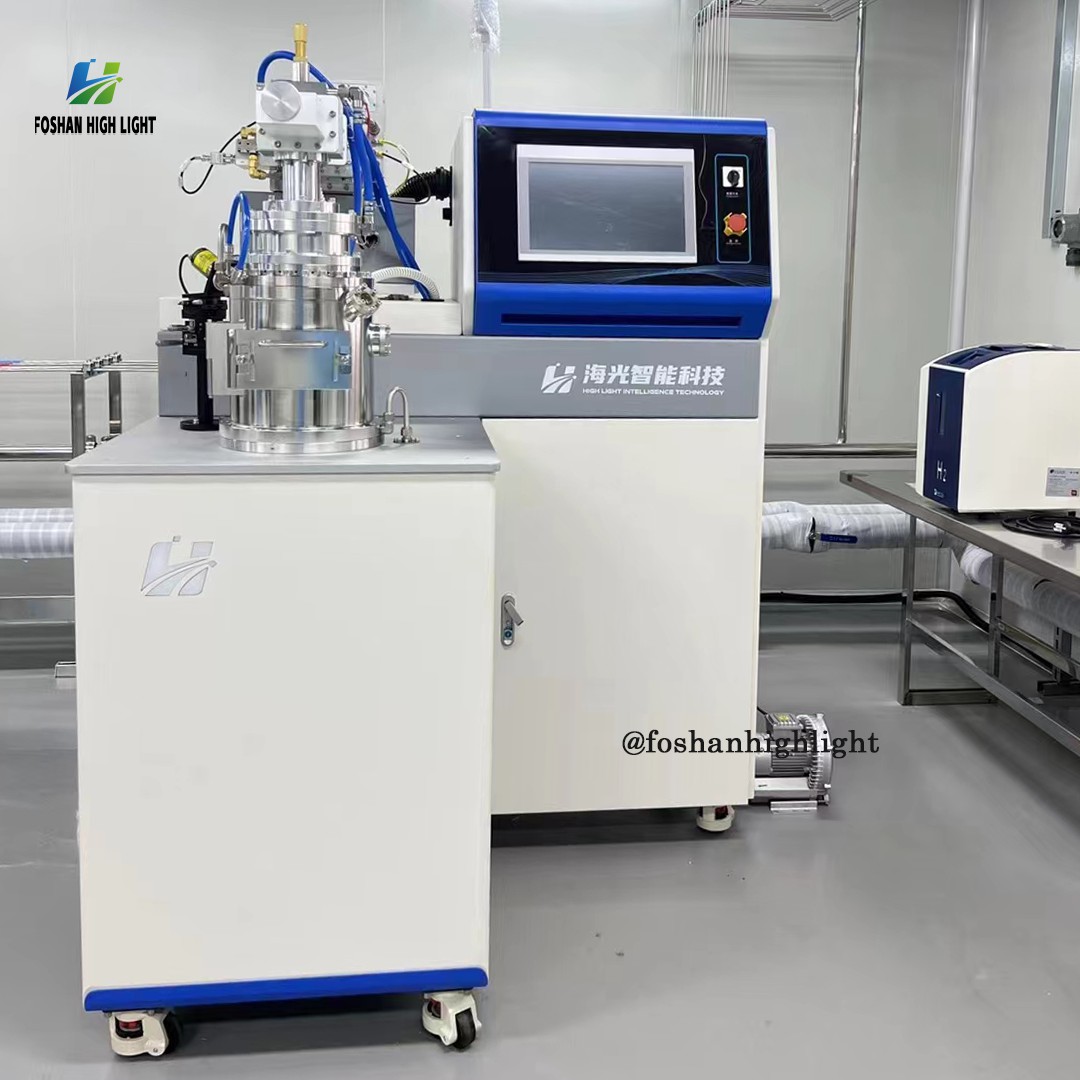
In 2022, the demand will be strong at the beginning of the year. More and more people are ordering lab-grown diamond jewelry. Our company also completed the construction of MPCVD diamond machine production and seed crystal and rough diamond production plants this year, and began mass production and sales of seed crystal, rough diamond and MPCVD diamond machines.
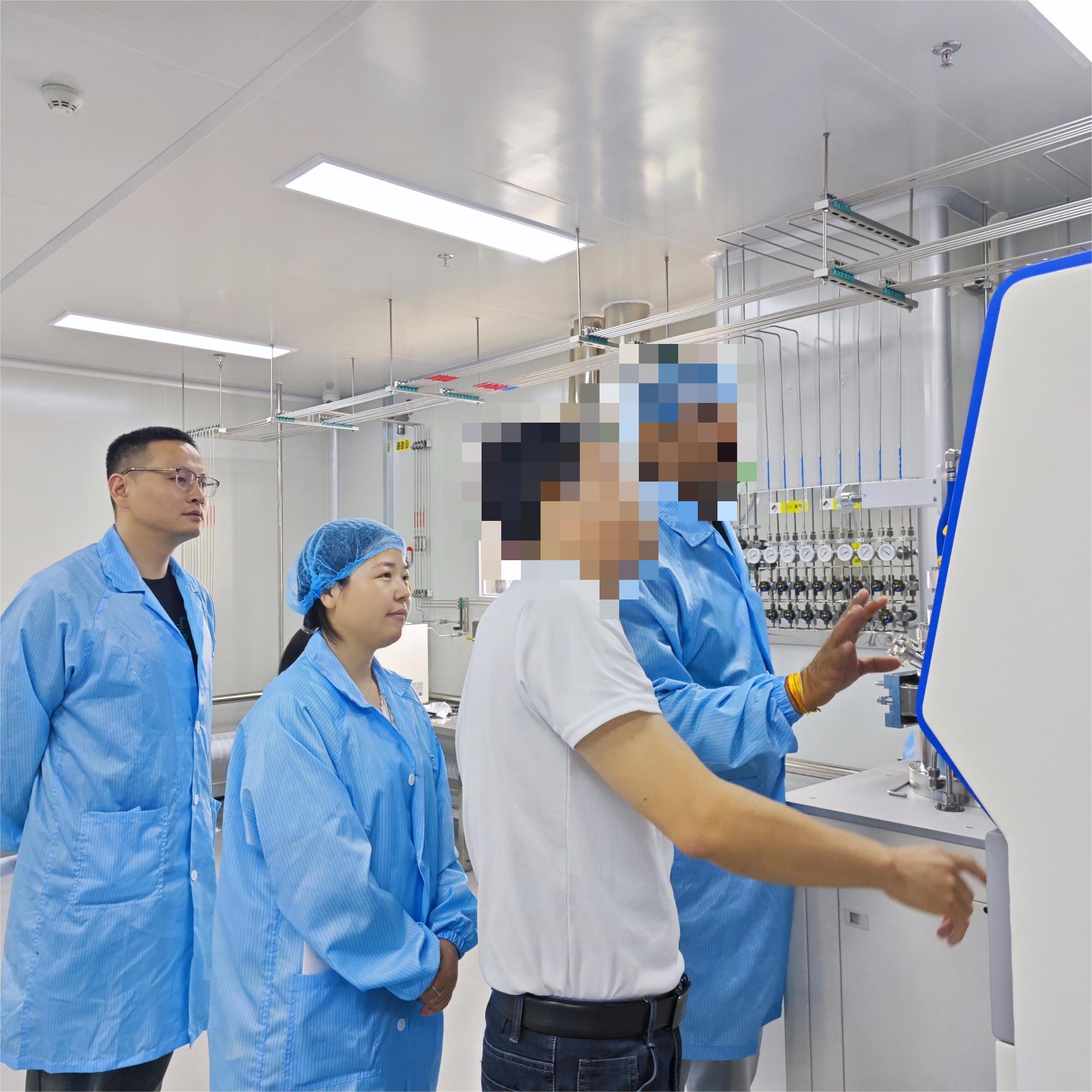
In 2023, due to our company's accumulation in the previous year, there will be an endless stream of people who come to consult, purchase, and invest in growing diamonds. It can be felt that the market demand is still increasing.
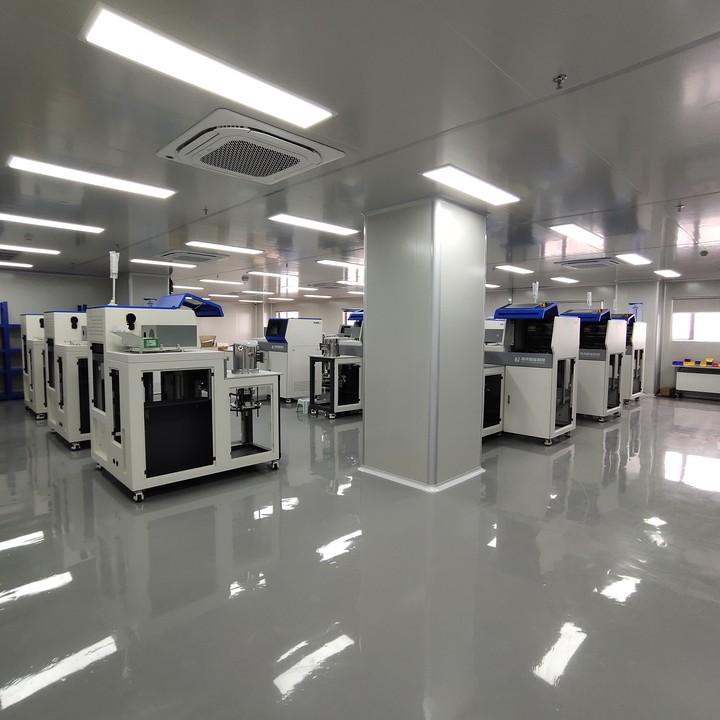
Investing in the production of cultivated diamonds is a big investment. According to our experience, in order to produce cultivated diamonds on a large scale, at least 6 MPCVD diamond machines are required. The current price of each machine is about 750,000 RMB, and a single machine costs 4.5 million. Adding the production workshop and labor costs, it easily exceeds 10 million. It must be explained here that the production workshop must be a 100,000-level non-layer workshop with self-leveling paint, and the sanitation of the production environment will also affect the yield rate of CVD diamond growth.
Based on the above, first, it is a good time to invest in MPCVD machines; second, the funds are sufficient; third, the production environment includes personnel.









Prev : CVD Diamond Production Principles
Next : How to Visually Measure the Depth Ratio of a Diamond Pavilion
Thank you for your liking
YouArticle
已有36人推荐
-

CVD Single-Crystal Diamonds: An Analysis of the Complete Processing Workflow from Gas-Phase Deposition to Finished Diamond Chips
MPCVD (Microwave Plasma Chemical Vapor Deposition) technology is currently the core process for producing high-quality single-crystal diamond s. Thanks to its advantages of low defect rates, high purity, and controllable large dimensions, it is widely used in fields such as semiconductor heat dissipation, precision optics, and high-end sensors. The final quality of single-crystal diamond s depends on comprehensive process control throughout the entire workflow—from vapor deposition growth to pos
-
Single-Crystal or Polycrystalline Diamond — Which Has Greater Potential?
As diamond continues to enter industries such as semiconductors, thermal management, optics, high-power electronics, and precision machining, the requirements for diamond materials are also evolving.
-
Diamond Polishing and Grinding Processes: Core Challenges and Industry Hurdles
Diamond is often hailed as the “ultimate material” – ranking 10 on the Mohs hardness scale, boasting an ultra‑high thermal conductivity (~2,200 W/(m·K)), excellent chemical stability, and broad optical transparency. These properties make it irreplaceable in cutting‑edge applications such as semiconductor heat dissipation, high‑end optics, and quantum chips. Yet the paradox of “good materials are hard to process” is nowhere more evident than in diamond. From rough grinding for planarization to at
-
Single-Crystal vs Polycrystalline CVD Diamond: Process Difference Lies in Growth Logic, Not Equipment
The process difference between single crystal and polycrystalline CVD diamond lies not in equipment, but in growth logic. Single crystal and polycrystalline CVD diamond are two functional new materials with completely independent growth mechanisms, lattice structures and performance systems. Their process logic, product features and application boundaries diverge fundamentally from the very start of deposition and growth. Comparing or selecting materials without considering their underlying crys