- 中文
- English
- Español
How Diamond Materials Are Revolutionizing Defense Technology
2026-01-05 10:45:26
Click:
“
As modern warfare increasingly demands precision, reliability, and high efficiency, traditional materials are becoming insufficient. Diamond, one of the hardest materials in nature, is emerging as a key material in defense technology due to its exceptional hardness, thermal conductivity, and high-temperature resistance. It not only enhances the performance of weapon systems but also performs reliably in extreme environments.
”
As modern warfare increasingly demands precision, reliability, and high efficiency, traditional materials are becoming insufficient. Diamond, one of the hardest materials in nature, is emerging as a key material in defense technology due to its exceptional hardness, thermal conductivity, and high-temperature resistance. It not only enhances the performance of weapon systems but also performs reliably in extreme environments.
Diamond is capable of handling ultra-hard materials used in the manufacturing of high-end defense equipment.
Cutting Tools and Abrasives
Diamond tools are used to machine extremely hard materials, such as aerospace engine components and missile casings. Compared to conventional tools, diamond tools improve cutting efficiency and significantly enhance processing precision.
Wire Drawing Dies
Diamond dies are used to manufacture high-strength metal wires, widely applied in missile guidance systems and aerospace components. The durability of diamond dies is several times greaterthan that of traditional dies, ensuring stable quality over long production cycles.
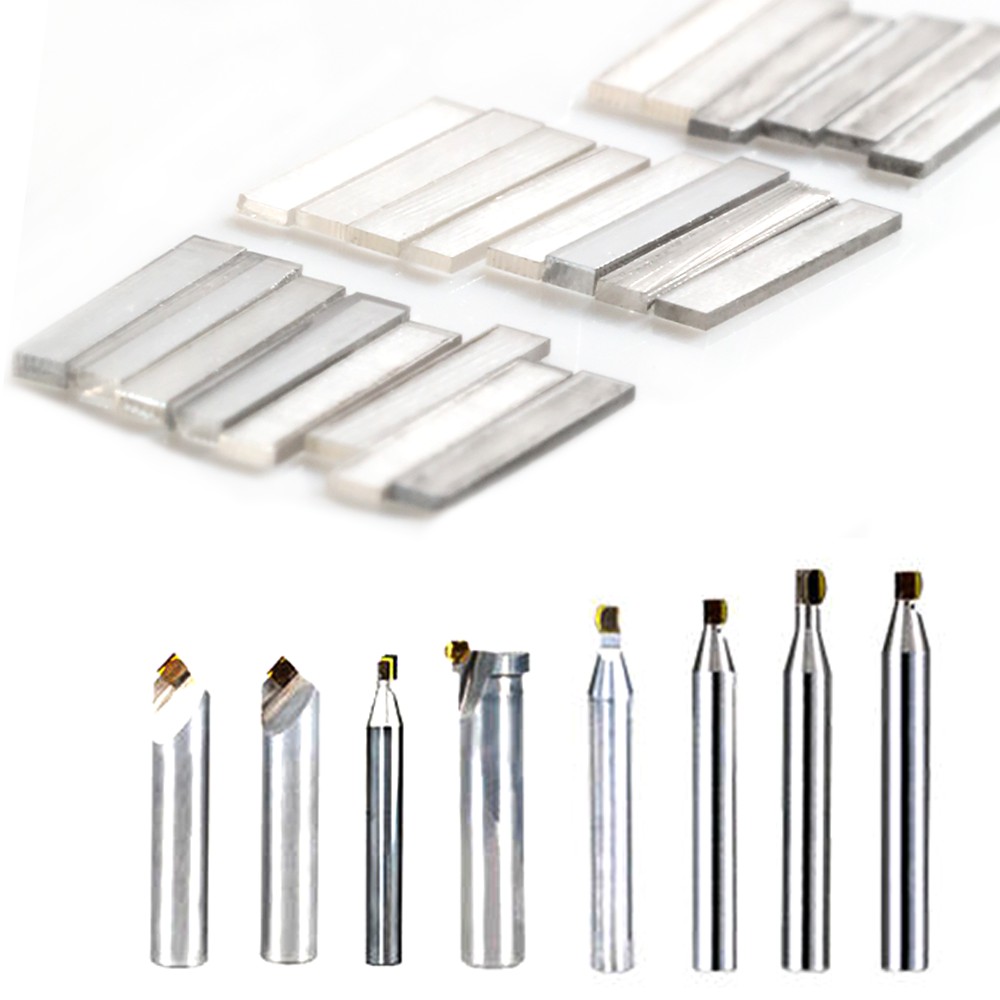
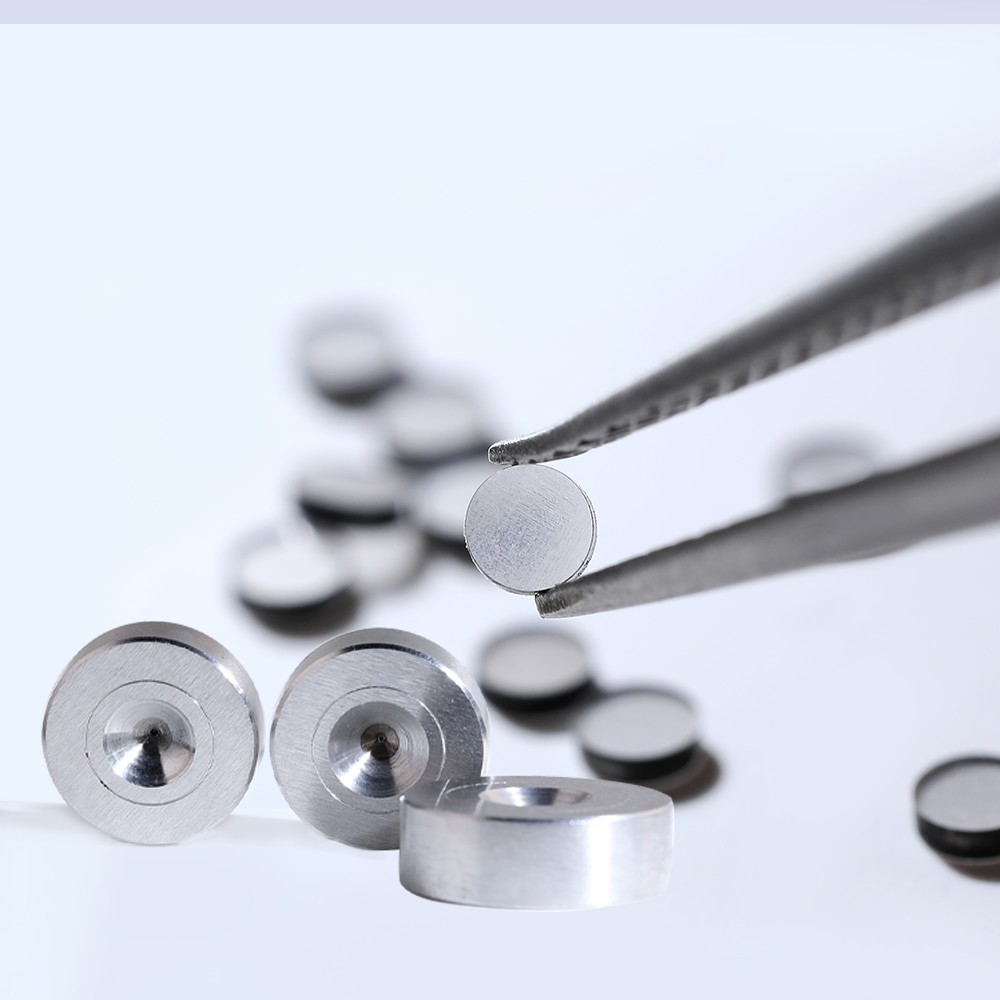
Diamond's high strength and low weight make it ideal for creating lightweight yet highly protective gear.
Armor Applications
Diamond materials are used to manufacture lightweight armor that reduces equipment weight while maintaining or improving protection levels, thus enhancing mobility.
Personal Protective Equipment
Diamond composites are used in bulletproof vests and helmet inserts, providing effective protection against high-velocity fragments and armor-piercing rounds. These materials are lighter and more flexible than traditional ceramic armor, improving the soldier's agility.
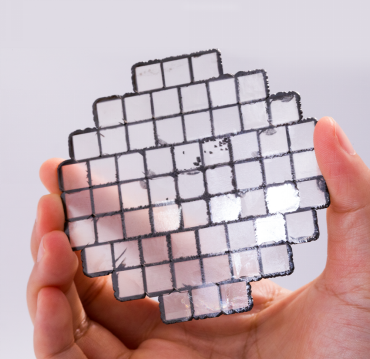
Many defense electronic devices must operate in high temperatures, high power loads, and even radiation. Diamond materials effectively address these challenges.
High-Power Electronics
Diamond-based electronic components are used in high-power devices, such as radar and electronic warfare systems, maintaining stable performance even in high-temperature environments. This improves the reliability of these systems.
Thermal Management Materials
Due to diamond's excellent thermal conductivity, it is used to maintain safe operating temperatures in high-power devices, preventing overheating and extending the lifespan of the equipment.
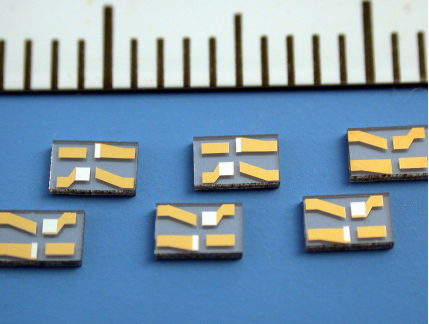
Diamond's optical transparency and high-temperature resistance make it a critical material in optics and energy systems.
Infrared and Laser Applications
Diamond is used in infrared guidance systems and laser weapons, effectively reducing environmental interference and improving targeting accuracy.
Energy Systems
In unmanned aerial vehicles (UAVs) and underwater platforms, diamond-based materials improve energy efficiency and extend endurance, meeting the demands of long-duration, covert missions.
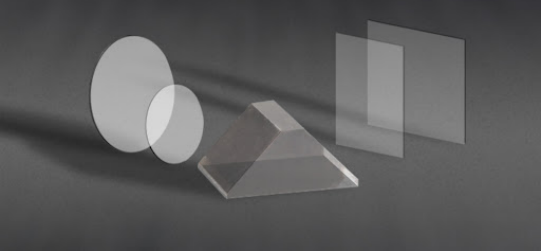
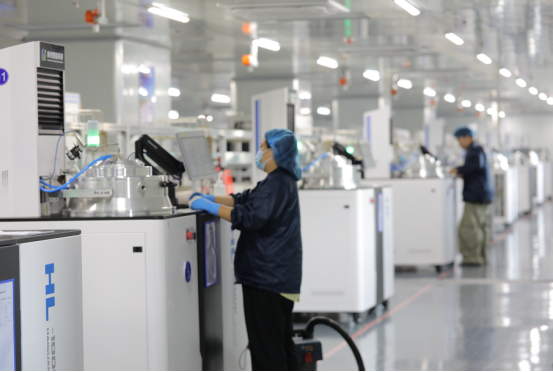
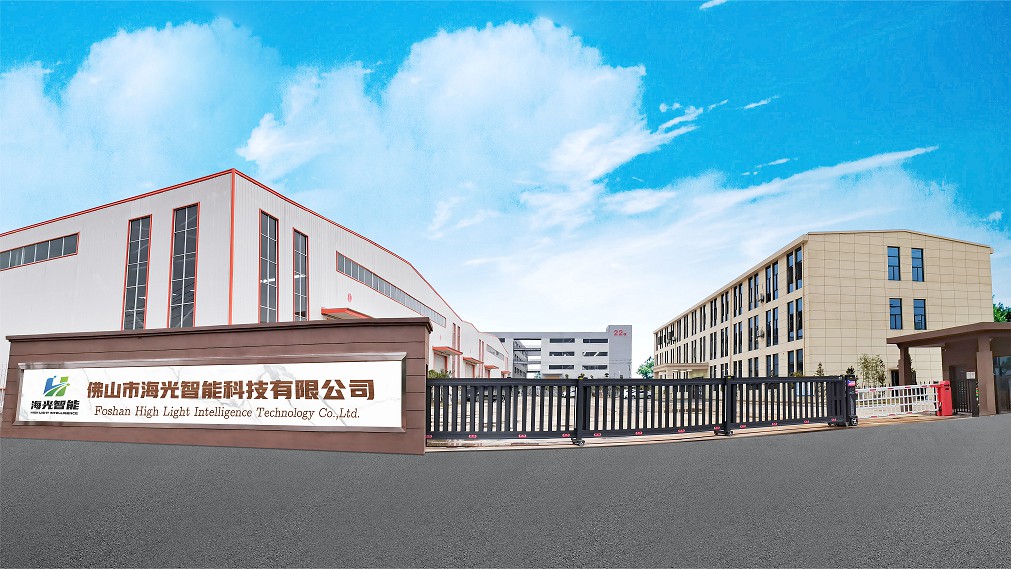
Foshan Highlight Intelligent Technology Co., Ltd., relying on over a decade of research and development in diamond materials, has achieved key breakthroughs in the field of synthetic diamond cultivation. The company's self-developed patented technologies, including the liftable MPCVD growth platform and long-duration single-crystal CVD diamond growth technology, ensure the stable quality and large-scale production of diamond materials. Currently, the company has built a complete industrial chain from equipment development and crystal cultivation to processing. Its CVD diamond technology is at an advanced level in the industry, providing high-quality substrates for diamond tools, electronic heat dissipation devices, and other defense-related products. Furthermore, Highlight Intelligence continues to make strides in semiconductor-grade diamond material development, meeting the demand for high-end materials in the defense electronics sector.









-

Foshan Highlight Intelligent Technology invites you to the 140th Canton Fair—join us at Booth 21.2A23-24 in the Friendship Hall to share in the brilliance.
Foshan Highlight Intelligent Technology invites you to the 140th Canton Fair—join us at Booth 21.2A23-24 in the Friendship Hall to share in the brilliance.
-
CVD Single-Crystal Diamonds: An Analysis of the Complete Processing Workflow from Gas-Phase Deposition to Finished Diamond Chips
MPCVD (Microwave Plasma Chemical Vapor Deposition) technology is currently the core process for producing high-quality single-crystal diamond s. Thanks to its advantages of low defect rates, high purity, and controllable large dimensions, it is widely used in fields such as semiconductor heat dissipation, precision optics, and high-end sensors. The final quality of single-crystal diamond s depends on comprehensive process control throughout the entire workflow—from vapor deposition growth to pos
-
Single-Crystal or Polycrystalline Diamond — Which Has Greater Potential?
As diamond continues to enter industries such as semiconductors, thermal management, optics, high-power electronics, and precision machining, the requirements for diamond materials are also evolving.
-
Diamond Polishing and Grinding Processes: Core Challenges and Industry Hurdles
Diamond is often hailed as the “ultimate material” – ranking 10 on the Mohs hardness scale, boasting an ultra‑high thermal conductivity (~2,200 W/(m·K)), excellent chemical stability, and broad optical transparency. These properties make it irreplaceable in cutting‑edge applications such as semiconductor heat dissipation, high‑end optics, and quantum chips. Yet the paradox of “good materials are hard to process” is nowhere more evident than in diamond. From rough grinding for planarization to at